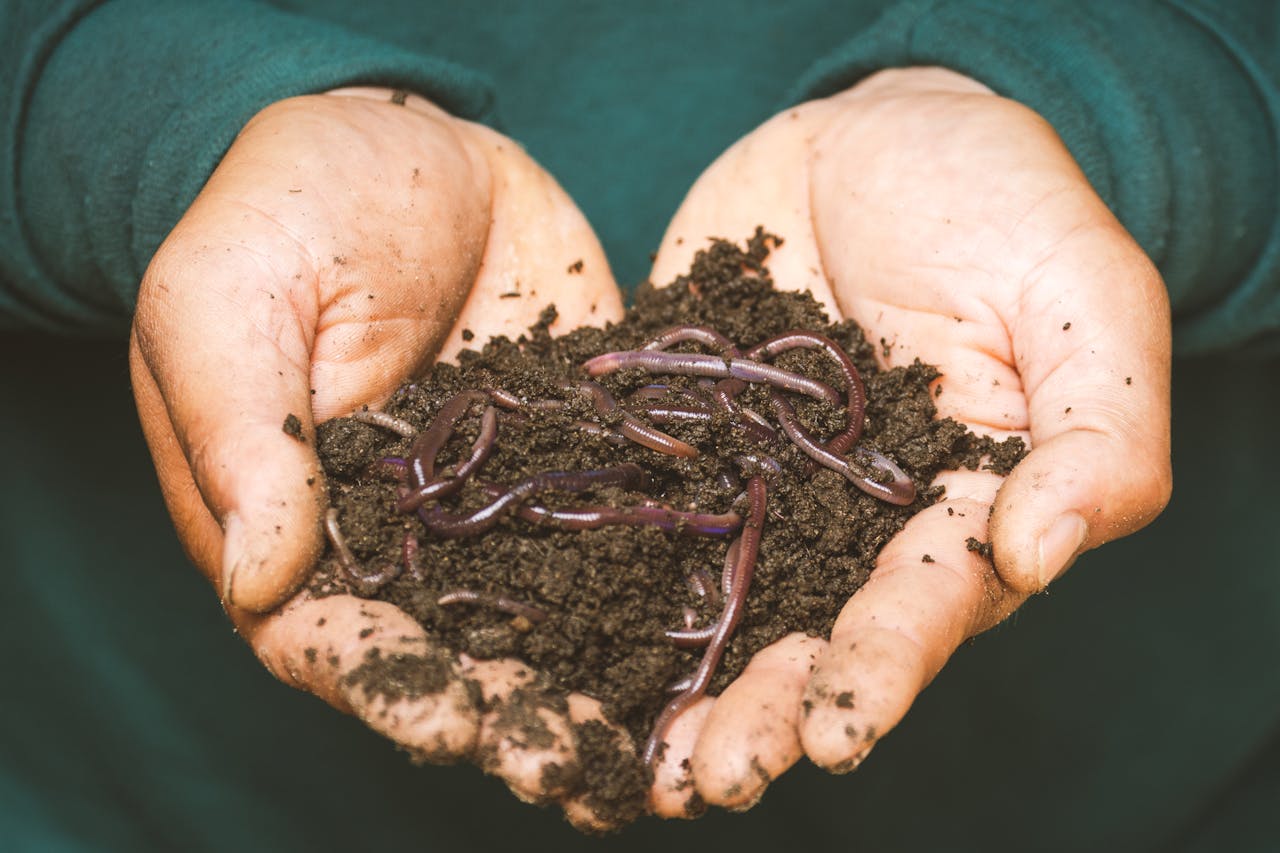
Spring ushers in sunlight, blossoms, and the eager buzz of life returning to the garden. Amid this cheer lurks a quiet menace capable of turning careful planting into heartbreak overnight. Cutworms strike fast, usually at night, severing tender seedlings at their base and leaving gardeners staring at empty soil where lush growth should thrive.
These caterpillars might not get the headlines that aphids or Japanese beetles grab, but their ability to decimate new plantings makes them one of the season’s most relentless threats. Knowing all about cutworms, their habits, and how to stop them transforms the struggle from frantic damage control into confident gardening mastery.
Silent Nighttime Attackers
Cutworms spend most of their lives underground, hiding in the soil during daylight hours and emerging at night to feed. They target seedlings and young plants, often chewing through stems at the soil line, which causes plants to collapse suddenly and completely. Unlike pests that nibble leaves or flowers, cutworms strike at the structural heart of a plant, and the damage shows up almost overnight.
Their behavior makes them difficult to catch in the act, and by the time damage is visible, infestations may already be established. Effective management starts with recognizing their stealthy nighttime habits and preparing defenses before planting.
The Many Faces of Cutworms
Cutworms come in various species, each with subtle differences in color, size, and feeding preference. Some curl into a tight “C” shape when disturbed, a signature move that gives the classic name “cutworm.” Others can be nearly indistinguishable from soil, blending seamlessly into the ground as they hunt seedlings.
Understanding the specific species common to a region allows gardeners to anticipate which crops will be most vulnerable and when peak activity occurs. While some cutworms prefer vegetable gardens, others might target flowers or ornamental plants, so awareness of local species informs smarter planting and protection strategies.
Why Seedlings Pay the Price
The first stages of plant life are critical, and cutworms exploit this vulnerability with precision. Newly sprouted seedlings have tender stems that cannot withstand the force of a hungry cutworm’s mandibles. One visit from a single cutworm can kill multiple seedlings in minutes, making early detection and prevention essential. This behavior explains why many gardeners encounter sudden gaps in their carefully planted rows without apparent cause. Protecting the initial growth stage not only preserves plant numbers but also ensures robust growth in the weeks ahead, allowing harvests to flourish without interruption.
Natural Predators That Keep Cutworms in Check
Nature provides a surprising arsenal against cutworms if ecosystems are balanced. Ground beetles, parasitic wasps, and certain birds feed on cutworms, reducing their numbers naturally. Encouraging these predators through garden design—such as leaving patches of mulch or installing bird feeders—creates a living defense system that works while gardeners sleep.
This approach reduces reliance on chemical interventions while maintaining biodiversity. Recognizing and supporting natural predators helps manage infestations before they escalate, offering long-term protection with minimal environmental impact.
Barriers and Physical Defenses
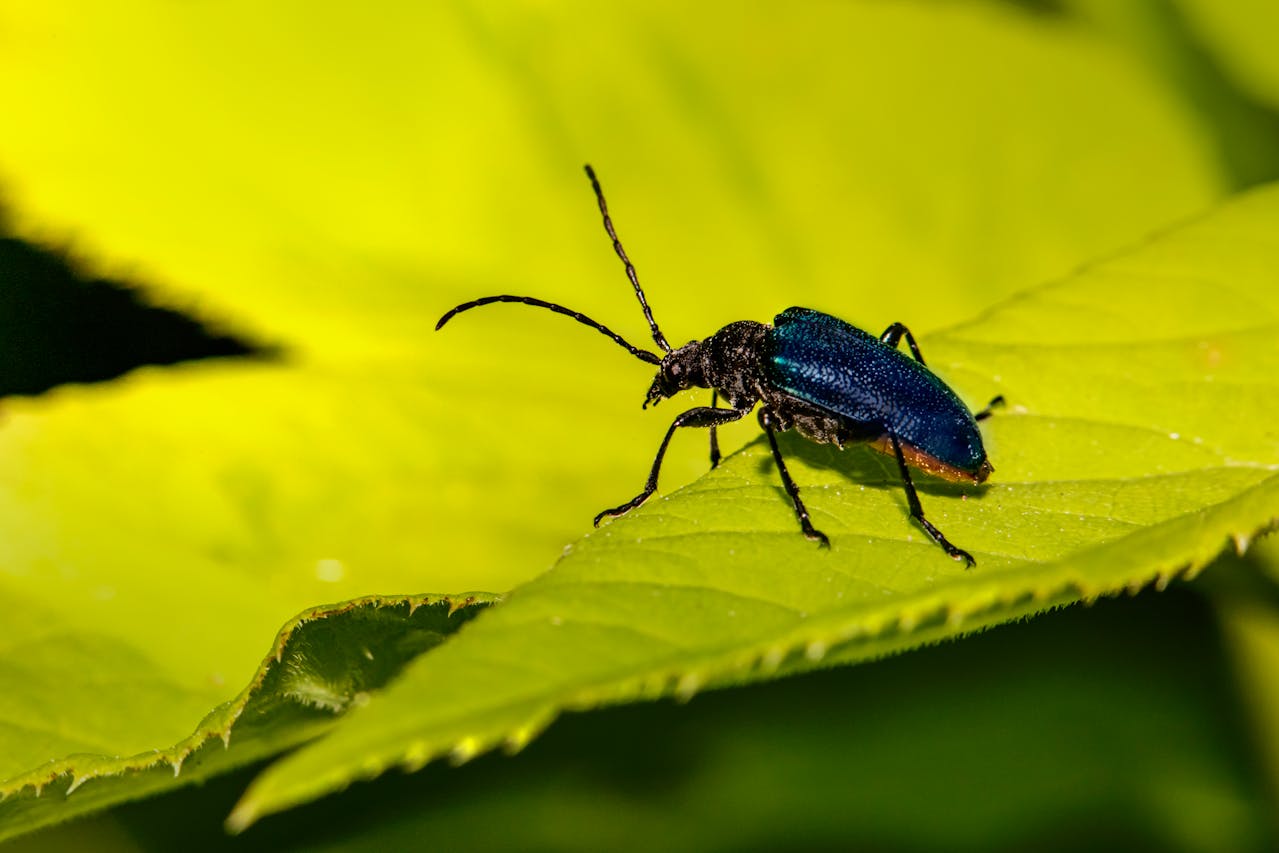
Gardeners can outsmart cutworms using simple physical barriers. Collars around seedlings, such as cardboard or cut sections of plastic, prevent worms from reaching the vulnerable stems. Deep tilling before planting disrupts pupae and larval hiding spots, lowering the initial population in garden beds.
Mulches can also be used strategically to reduce movement and concealment, making it harder for cutworms to access plants. Combining multiple physical strategies creates a layered defense, reducing dependence on reactive treatments and giving young plants a fighting chance to establish themselves.
Timing Is Everything
Cutworms are most active during specific seasons, usually aligning with the emergence of early spring seedlings. Understanding local cutworm cycles allows gardeners to adjust planting schedules or implement protective measures preemptively. Monitoring soil temperatures, observing early signs of damage, and identifying vulnerable crops all contribute to timing interventions effectively. By aligning planting and defense efforts with cutworm activity patterns, gardeners reduce exposure and enhance survival rates for young plants. Preparation, not reaction, defines successful management in this stage.
Organic and Targeted Treatments
When infestations appear severe, targeted treatments can protect seedlings without overwhelming the garden ecosystem. Bacillus thuringiensis (Bt), a naturally occurring bacterium, specifically targets caterpillar pests like cutworms and breaks down harmlessly in the environment. Diatomaceous earth sprinkled around the base of plants creates a physical barrier that damages worm exoskeletons on contact.
Even handpicking cutworms during early evening or just after dusk can dramatically reduce numbers in smaller plots. Effective treatment combines observation, appropriate organic measures, and persistence to safeguard plant health.
Soil Health and Prevention
Healthy soil provides an indirect line of defense against cutworms. Rich, well-structured soil encourages vigorous seedling growth, making plants more resilient to minor damage. Incorporating organic matter and compost supports beneficial organisms that naturally suppress pest populations. Crop rotation and strategic spacing minimize the concentration of vulnerable seedlings in one area, reducing the chance of widespread loss. Focusing on soil health complements all other cutworm control measures, creating a holistic approach that strengthens both plants and garden ecology.
Understanding Damage Patterns
Identifying cutworm damage quickly allows for decisive action. Severed stems near the soil line, curled bodies found in soil, and sudden gaps in seedling rows all indicate their presence. Differentiating cutworm damage from other pests helps gardeners apply the correct interventions.
Early recognition limits losses, reduces the need for widespread chemical treatments, and allows healthy seedlings to thrive. Observing patterns over multiple seasons builds expertise, turning unpredictable cutworm attacks into manageable, predictable challenges.
The Real Lesson of Cutworm Management
Cutworms demonstrate that even the smallest, least glamorous pests can wreak significant havoc when ignored. Protecting seedlings involves preparation, observation, and a mix of natural, physical, and targeted strategies. Each method reinforces the other, creating a garden ecosystem resilient enough to withstand these stealthy invaders. Embracing proactive management ensures that spring planting transforms into summer growth, rather than frustration and replanting. Gardens that anticipate cutworms enjoy the satisfaction of thriving crops, healthy flowers, and the quiet reassurance that prevention matters more than reaction.
Which strategies or defenses have proven most effective in controlling cutworms, and what innovative methods have you discovered to protect seedlings? Share your experiences and ideas in the comments below.
You May Also Like…
9 Backyard Bugs That Can Damage Plants Before Summer
March Garden Pests That Show Up Before You Notice the Damage
12 Of The Worst Garden Pests And How To Get Rid Of Them
This One Winter Gardening Habit Could Be Spreading Invasive Pests Across the South
Why Your Raised Beds Might Be Harboring Pests Right Now—Even in Freezing Temps

Brandon Marcus is a staff writer for FrugalGardening.com at District Media, Inc., where he delivers practical gardening advice with a relatable, no-nonsense style. An avid amateur gardener, he holds a BA degree and with over ten years of professional writing experience, he is also an award-winning published author whose first book, Questions For Deep Thinkers, was released by Adams Media. His work has appeared in major publications including Fandom.com, CHUD.com, TheColdWire.com, and Fansided.com.
Leave a Reply