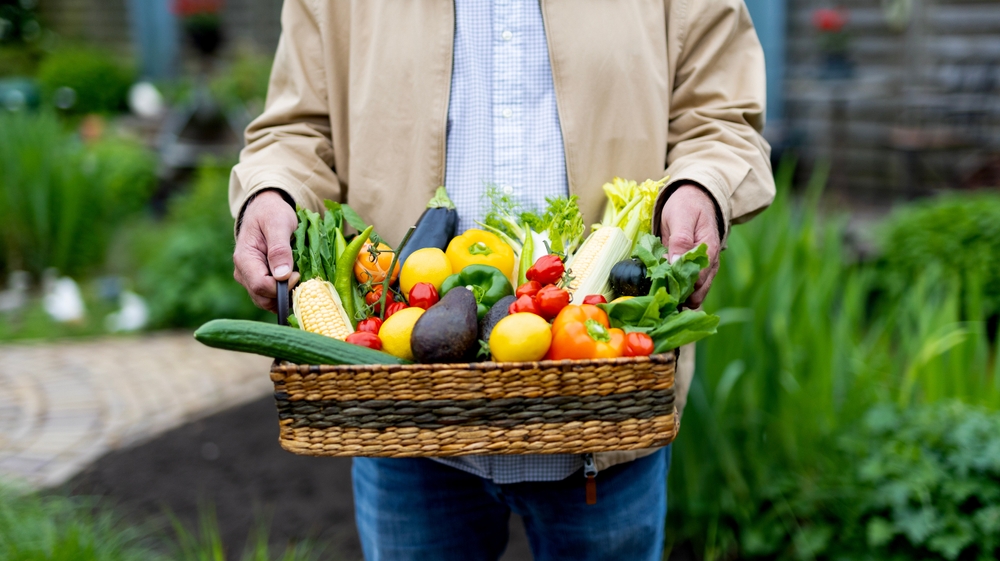
The tomato looks flawless. The lettuce snaps with that fresh, green crunch. The carrots gleam after a quick rinse under the hose. You admire your harvest and feel that deep satisfaction only a backyard garden can deliver. But beneath that glossy skin and vibrant color, an invisible contaminant may lurk in the soil itself: heavy metals, especially lead and arsenic.
Gardeners rarely talk about heavy metals at barbecues or seed swaps, yet soil scientists and public health experts raise the issue often. Unlike pests or blight, heavy metals do not chew holes in leaves or turn fruit mushy. They hide in plain sight, blending into soil that looks rich and healthy. When you grow food in contaminated soil, plants can absorb certain metals through their roots, and those metals can end up on your plate.
The Toxin You Can’t See: Why Lead Tops the List
Lead earns top billing for one simple reason: it persists. Decades after cities banned lead-based paint and phased out leaded gasoline, residues still linger in urban and suburban soils. Old house paint chips flaked off siding and settled into the ground. Car exhaust from the era of leaded gasoline drifted down and mixed into roadside soil. Over time, these sources created pockets of contamination that many gardeners never suspect.
Lead does not break down or disappear. It binds tightly to soil particles, especially in areas near older homes, busy roads, and former industrial sites. When gardeners dig, till, or plant, they stir up those particles. Leafy greens and root crops face higher risk because they grow in direct contact with soil. Even if plants do not absorb large amounts of lead internally, fine soil dust can cling to their surfaces.
Health experts warn that no safe level of lead exists for children. Exposure can affect brain development, behavior, and learning. Adults face risks too, including high blood pressure and kidney damage at elevated levels.
Arsenic in the Earth: A Legacy of Old Pesticides
Lead grabs headlines, but arsenic deserves attention as well. For much of the 19th and 20th centuries, farmers and orchard owners relied on arsenic-based pesticides to control insects. Compounds such as lead arsenate left residues that still remain in soil today. Some properties that once hosted orchards or agricultural fields now sit under suburban lawns and backyard gardens.
Pressure-treated lumber manufactured before 2004 often contained chromated copper arsenate. Gardeners who built raised beds with that lumber inadvertently introduced arsenic into the soil around them. Small amounts of arsenic could leach into nearby soil, particularly in areas with acidic conditions.
How Heavy Metals Travel from Soil to Supper
Heavy metals do not leap dramatically into your salad bowl. They follow predictable pathways. First, contaminated soil surrounds plant roots. Plants absorb water and nutrients through those roots, and in the process, they may also take up small amounts of metals dissolved in soil water. The degree of uptake depends on soil chemistry, plant species, and the specific metal.
Second, soil particles cling to produce. Carrots, potatoes, and beets grow directly in soil, so they easily pick up tiny particles that hold lead or arsenic. Leafy greens like spinach and lettuce can trap dust between leaves. Without thorough washing and peeling, those particles can travel straight to the table.
Testing the Dirt: The Smartest First Move
Guesswork does not protect anyone. Soil testing does. Many state university extension services in the United States offer affordable soil tests that measure lead and sometimes arsenic levels. You collect samples from different areas of your garden, mix them, and send them to a certified lab. Within weeks, you receive results that give you actual numbers rather than vague reassurance.
Testing also reveals pH and nutrient levels. That information lets you adjust lime or sulfur applications to maintain optimal pH. When you know your soil’s chemistry, you can make targeted improvements instead of throwing random amendments into the ground and hoping for the best.
Raised Beds, Clean Soil, and Other Practical Fixes
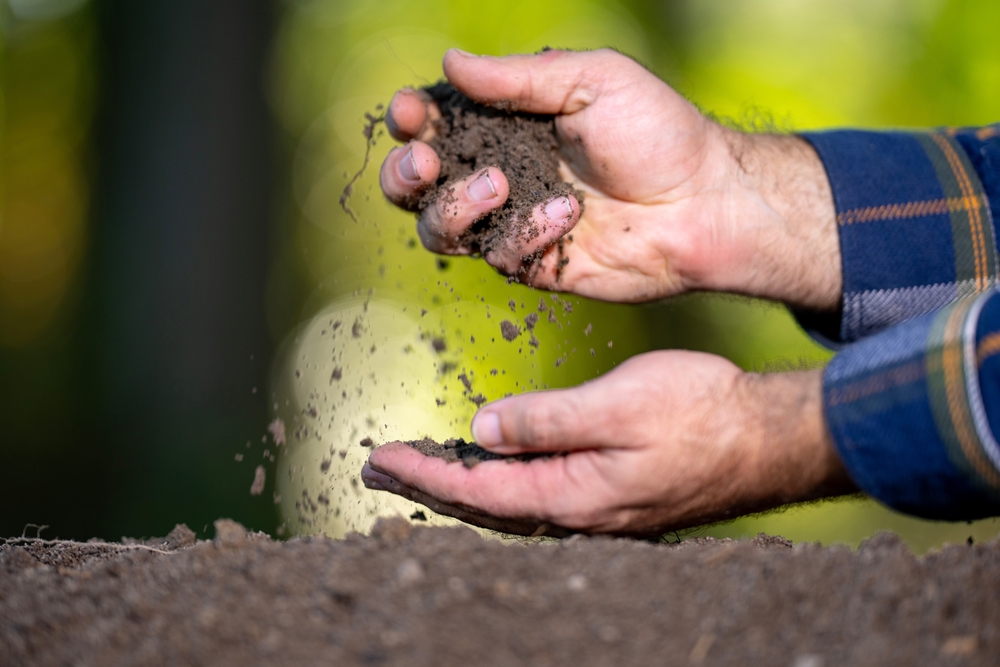
If a soil test shows elevated heavy metals, panic will not help, but practical steps will. Raised beds filled with clean, tested soil offer one of the most effective solutions. By installing a physical barrier such as landscape fabric at the bottom of the bed and filling it with uncontaminated soil and compost, you create a safer growing environment above the existing ground.
Mulching pathways and exposed soil reduces dust and limits direct contact with contaminated ground. Regularly adding compost increases organic matter, which can bind metals and decrease plant uptake. Maintaining neutral soil pH further reduces risk.
Crop choice matters too. Fruiting plants like tomatoes, squash, peas, and beans tend to accumulate less lead in edible portions than leafy greens and root vegetables. In areas with moderate contamination, focusing on fruiting crops can lower exposure. Thorough washing, peeling root vegetables, and removing outer leaves of greens can also reduce soil particle ingestion.
Urban Gardening with Eyes Wide Open
Urban and suburban gardening offers enormous benefits. It connects people to food, builds community, and encourages healthier eating. Heavy metal contamination does not negate those advantages, but it does demand awareness. Many city soils contain some level of lead simply because of historical pollution patterns. That reality does not mean every garden produces unsafe food, yet it does mean that testing and mitigation should become standard practice.
Taking soil seriously reflects a mature approach to gardening. Instead of assuming that anything home-grown automatically equals safe, responsible gardeners ask questions, seek data, and act accordingly. That mindset transforms gardening from a romantic hobby into an informed, resilient practice.
What Your Garden Deserves Next
A beautiful harvest deserves more than admiration; it deserves vigilance. Heavy metals like lead and arsenic do not announce themselves with spots or wilted leaves, yet they carry real health implications.
Soil testing, smart crop selection, raised beds, compost, and careful hygiene can dramatically reduce risk. These actions require effort, but they protect the very reason most people garden in the first place: to nourish themselves and their families with confidence.
Have you ever tested your garden soil, or does this make you want to grab a sample kit this weekend? If you have stories to share, do so in our comments section below.
You May Also Like…
10 Everyday Household Items Gardeners Are Using Instead of Expensive Tools
Why Your Garden Hose Could Be Leaching Chemicals Into Your Soil
These 10 Garden Hacks Are Going Viral — But Experts Say Some Are Ruining Soil Health
Experts Warn: Your Compost Pile Could Be Dangerous for Pets
Gardeners Are Planting This “Safe” Shrub — But It’s Deadly for Cats

Brandon Marcus is a staff writer for FrugalGardening.com at District Media, Inc., where he delivers practical gardening advice with a relatable, no-nonsense style. An avid amateur gardener, he holds a BA degree and with over ten years of professional writing experience, he is also an award-winning published author whose first book, Questions For Deep Thinkers, was released by Adams Media. His work has appeared in major publications including Fandom.com, CHUD.com, TheColdWire.com, and Fansided.com.
Leave a Reply