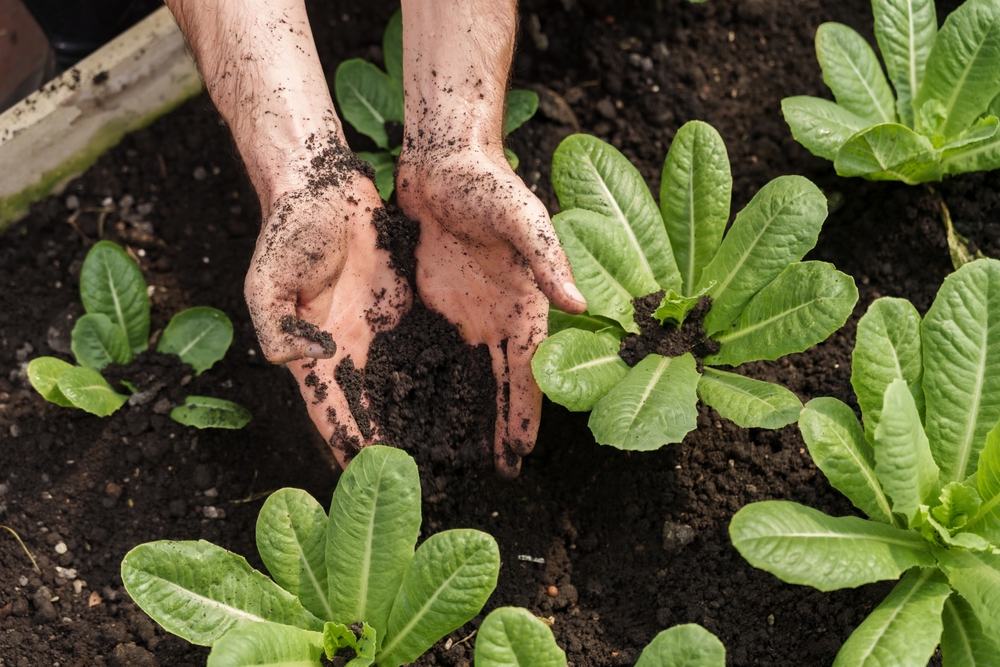
If your garden soil turns into a brick when it’s dry or a swamp when it’s wet, the plants aren’t being dramatic—the soil is. The good news is you don’t need expensive amendments or a truckload of topsoil to make a real difference. With a few budget-friendly habits, you can build healthier pores, better drainage, and that crumbly “chocolate cake” feel gardeners brag about. These low-cost fixes work because they support the living system under your feet instead of fighting it. Stick with it for a season and you’ll notice easier digging, happier roots, and better moisture control—with improved soil structure leading the way.
1. Improve Soil Structure With Compost
Compost is the cheapest upgrade because it feeds biology and changes how soil holds together over time. Spread a half-inch to one inch on top of beds and let rain, worms, and microbes pull it down naturally. If you’re short on finished compost, use what you have and apply it where plants struggle most. Skip deep digging that breaks apart fungal networks and buries organic matter too fast. Keep topping up a little at a time, and you’ll get steady progress without spending more.
2. Use Leaf Mold For Slow, Steady Conditioning
Raked leaves are basically free soil improvement waiting in a bag. Shred them if you can, then stash them in a pile or bin and keep them lightly damp. In six months to a year, you’ll have leaf mold that holds water without turning beds soggy. Mix it into the top few inches or use it as a mulch around plants. One season of leaf mold use can noticeably improve soil structure in sandy or compacted spots.
3. Mulch Like You Mean It, Not Like A Decoration
Mulch isn’t just for looks—it’s a moisture manager and a soil protector. Use what’s affordable locally, like shredded leaves, grass clippings that haven’t gone to seed, or wood chips for paths. Keep mulch a few inches back from stems so you don’t invite rot or pests to move in. Refresh mulch before heat spikes so the soil doesn’t bake and crust over. When mulch breaks down, it becomes food for the organisms that build soil structure naturally.
4. Add Organic Matter In Small, Frequent Doses
A giant one-time amendment can overwhelm a bed and blow your budget, so think “snacks” instead of “feast.” Save coffee grounds, chopped plant trimmings, and clean veggie scraps for composting rather than tossing them. If you don’t compost, bury small amounts in a trench away from roots so they break down safely. Avoid dumping thick layers of one material because that can turn slimy or tie up nitrogen. The steady drip of diverse organic matter helps create a balanced, workable soil texture.
5. Stop Walking Where You Want Roots To Thrive
Compaction is sneaky, because it happens one step at a time. Mark bed edges clearly and use paths so you don’t accidentally pack down the growing area. If you garden in tight spaces, add stepping stones so your weight stays in the same spots. Work soil when it’s moist but not wet, because squeezing wet soil is a fast track to clods. When you protect your beds from pressure, soil structure improves without adding a single thing.
6. Try A Broadfork Or Garden Fork Instead Of Tilling
Tilling looks productive, but it can grind soil into dust and wreck the layers that support good drainage. A broadfork is ideal, but a sturdy garden fork works too if you’re patient. Sink the tines, rock back gently, and lift slightly to loosen without flipping everything over. This opens channels for roots and water while keeping soil life closer to the surface. Do it once or twice a year and let mulch and compost handle the rest.
7. Plant Cover Crops In The Off-Season
Cover crops are a low-cost way to let plants do the heavy lifting. Choose something simple for your climate, like oats, peas, or clover, and seed after harvest or in early fall. Their roots create pathways, reduce erosion, and help keep nutrients from washing away. Chop and drop the growth before it sets seed, then leave it as mulch or lightly rake it in. Over time, living roots build soil structure in a way no bagged amendment can match.
8. Use Gypsum Only When It Fits Your Soil’s Problem
Gypsum can help certain soils, but it isn’t a universal fix, so don’t buy it on hype alone. It’s most useful when you have heavy clay with drainage problems, and it works best alongside organic matter. If you can, do a basic soil test to avoid spending money on the wrong solution. Apply it as directed, water it in, and then focus on mulch and compost to keep improvements moving. When you use gypsum strategically, you save cash and avoid chasing quick fixes.
The “Crumbly Soil” Routine That Actually Sticks
Pick two changes you can repeat every season, because consistency beats perfection in the garden. Start with compost or leaf mold, then protect beds from compaction so your gains don’t get crushed. Add mulch as your default “soil shield,” and let time do the quiet work in the background. If you want faster results, loosen gently with a fork and keep living roots in the ground whenever you can. Do these small steps faithfully, and your soil will get easier to work, easier to water, and easier to grow in.
What’s the most annoying thing your soil does right now—cracks, puddles, or turns into concrete—and which fix are you going to try first?
What to Read Next…
8 Winter Compost Additives That Speed Up Breakdown
Leaf Mold Gold: Turning Yard Waste into Next Year’s Best Soil
Is Mulching Early a Smart Money-Saving Move?
The Smart Gardener’s Guide: 4 Low-Cost Organic Fertilizers
8 Signs Your Soil Needs More Drainage Before Spring Rains

Catherine is a tech-savvy writer who has focused on the personal finance space for more than eight years. She has a Bachelor’s in Information Technology and enjoys showcasing how tech can simplify everyday personal finance tasks like budgeting, spending tracking, and planning for the future. Additionally, she’s explored the ins and outs of the world of side hustles and loves to share what she’s learned along the way. When she’s not working, you can find her relaxing at home in the Pacific Northwest with her two cats or enjoying a cup of coffee at her neighborhood cafe.
Leave a Reply