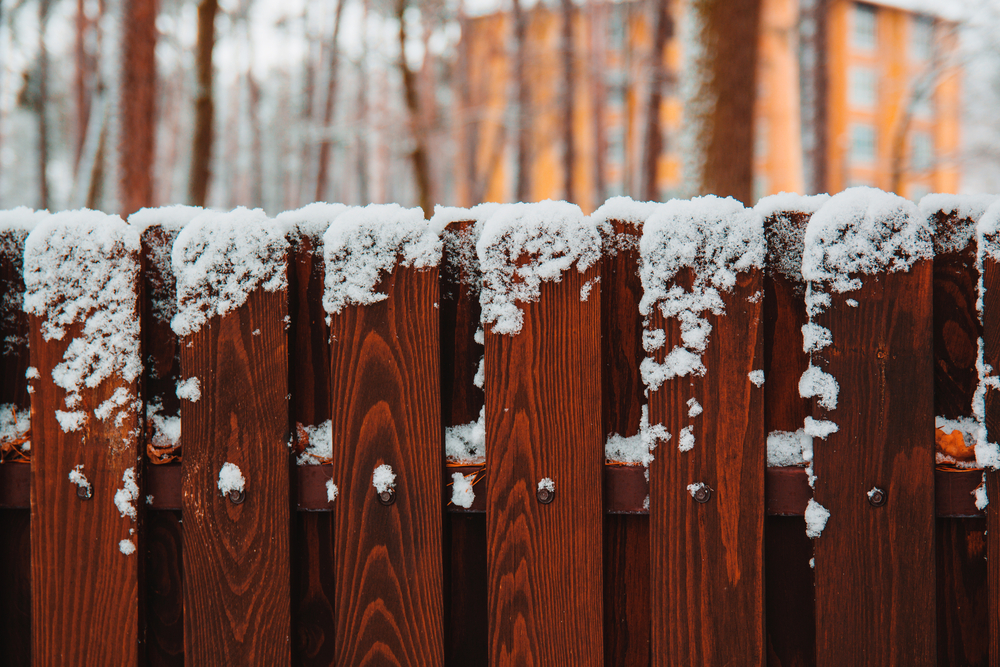
Snowstorms don’t politely ask whether your fence is emotionally or structurally prepared—they just arrive, dump a blinding wall of white across your yard, and dare your fence to stay standing. One morning you’re sipping coffee, admiring the cozy winter scene, and the next you’re staring at a sad, sideways panel that looks like it lost a bar fight with the wind. Winter has a way of exposing every weakness you didn’t know your fence had, and once the freeze sets in, it’s too late to negotiate. That’s why knowing whether your fence can survive the snow before the first flake hits the ground is basically a superpower. Today, you’re about to learn exactly how to test it—before your yard becomes a timber graveyard.
The Post Stability Test
The first sign of a fence in trouble is wobbling posts, because weak posts in winter are like wearing flip-flops on an icy driveway—dangerous and doomed. To test this, grab a post and give it a firm shake, noticing whether it moves at the base or shifts side-to-side. If it wiggles, water may have softened the soil or rotted the material, which creates a disaster-in-waiting once the ground freezes and expands. A fence with unstable posts won’t just lean under snow; it might collapse entirely. Strong posts shouldn’t move at all, even under a determined shake.
The Ground Clearance Check
Fences that sit too close to the ground trap snow and allow moisture to cling to the wood or metal, creating rot or rust far faster than normal. When snow piles up, it presses against the boards like a slow, heavy avalanche that doesn’t stop until spring. Ideally, your fence should have a few inches of breathing room to keep snow from wedging itself underneath and applying pressure. If yours is resting directly on the soil, winter gives it no chance to dry out. That trapped moisture becomes an invisible villain that weakens the fence every day it lingers.
The Material Stress Assessment
Not all fences are built for cold stress, and winter has zero sympathy for the wrong materials. Wooden fences expand and contract with temperature changes, making existing cracks grow like they’re auditioning for a disaster movie. Metal fences, though tougher, can warp if they’re already corroded, while vinyl becomes brittle and snaps under sudden impact. Inspecting your fence for cracks, rust, or loose fasteners before winter is essential if you want to prevent a mid-season catastrophe. Once the freeze sets in, any tiny flaw turns into a major weakness.
The Fastener Durability Test
Screws, nails, and brackets are the unsung heroes keeping your fence panels attached, but winter exposes their weaknesses instantly. If your fasteners are rusty, loose, or mismatched, they’ll fail the moment snow pressure begins. A loose screw today might be a missing board tomorrow—followed by a very confused dog wandering your neighbor’s yard. Check both sides of the fence and pay extra attention to areas where panels meet posts. A fence is only as strong as the tiny metal pieces holding it together.
The Wind Resistance Evaluation
Snow isn’t the only villain in winter—its best friend, wind, works overtime to take your fence down. A fence without proper airflow becomes a giant sail, catching wind gusts that whip frozen flakes sideways. You can test your fence’s wind resilience by noticing how solid each section feels when you push it; a fence that rocks easily is asking for trouble. Slatted or spaced fences allow wind to pass through, while solid panels need reinforcement to avoid bending or snapping. If a storm sends your fence swaying like it’s at a music festival, you need repairs.
The Rot And Moisture Inspection
Rot is the silent assassin of wooden fences, and winter accelerates its attack like it’s on a mission. Moisture from snow melts into cracks, freezes overnight, expands, and turns small soft spots into major structural issues. Press gently on suspicious areas; if the wood feels soft or spongy, winter will finish it off. Moisture damage often hides at the bottom of posts or between boards, so check carefully. A fence battling rot in November is a fence planning its funeral in January.
The Weight Load Simulation
If you want to know whether your fence can handle heavy, wet snow, you need to simulate the pressure. Gently push down on the top rail or paneling to mimic the weight of a thick winter blanket. A sturdy fence resists; a weak one flexes like it’s begging for mercy. This test often exposes hidden weaknesses that aren’t obvious until the snow arrives. If your fence bends more than you expected, reinforcement is your best friend.

The Drainage Reality Check
Poor drainage around your fence creates a swamp in fall and an ice trap in winter, neither of which your fence appreciates. When water pools at the base, it freezes around the posts and shifts them out of alignment. This creates cracks, tilting, and eventual failure under snow pressure. Walk around your yard after a rainfall and observe any puddles sticking around like unwanted guests. If water refuses to drain, your fence is fighting a losing battle before winter even starts.
The Flexibility Versus Rigidity Balance
A good fence knows how to flex—but not too much. Materials that are too rigid crack under sudden cold, while those that are too flexible warp or sag under snow. Your job is to evaluate how your fence behaves when gently pushed: it should give slightly without bending dramatically. Winter winds reward fences with balanced flexibility, while stiff, aging panels tend to snap without warning. If your fence feels brittle or overly bouncy, consider adjusting or reinforcing before the freeze.
The Neighbor Test
If you share a fence line with a neighbor, your fence’s fate may depend on their upkeep as much as yours. A neglected side can spread rot, allow snow to drift unevenly, or create pressure where your fence isn’t reinforced. Politely peeking at the condition of the fence from their yard can reveal problems hiding on the far side. Winter doesn’t care who owns which panel—it takes down the whole structure if one section is weak. A quick conversation now might save you both a headache later.
Your Fence Has a Fighting Chance
Winter doesn’t have to be the enemy of your garden fence. With a little testing, a little attention, and a little reinforcement, your fence can stand proudly against snow, wind, and whatever else the season throws at it. Understanding how to evaluate stability, drainage, materials, and pressure points gives you the power to prevent mid-winter disasters. Now that you know the Garden Fence Test, you’re ready to face winter with confidence and maybe even a little pride.
Have your fence ever failed, survived, or surprised you in the snow? Share your thoughts, stories, or confessions in the comments below.
You May Also Like…
Here’s How To Build A Garden Fence For Your Herbs and Vegetables
The Hidden Frost Zones in Your Yard That Kill More Plants Than You Think
Why Compost Should Be Covered Before Snow
Why Snow Cover Protects Soil Life
8 Vines That Should Be Cut Back Before Snow

Brandon Marcus is a staff writer for FrugalGardening.com at District Media, Inc., where he delivers practical gardening advice with a relatable, no-nonsense style. An avid amateur gardener, he holds a BA degree and with over ten years of professional writing experience, he is also an award-winning published author whose first book, Questions For Deep Thinkers, was released by Adams Media. His work has appeared in major publications including Fandom.com, CHUD.com, TheColdWire.com, and Fansided.com.
Leave a Reply