
There’s something magical about fall: the crisp air, the crunch of leaves, the pumpkin spice lattes… and, believe it or not, the speed at which your compost pile kicks into high gear. That’s right—autumn isn’t just a season for sweaters and hayrides; it’s prime time for making black gold out of kitchen scraps and yard waste. Cooler nights, damp mornings, and the perfect balance of carbon-rich “browns” and nitrogen-heavy “greens” create ideal composting conditions.
While some scraps dawdle in decomposition, others seem to vanish before your eyes this season. Ready to make your compost bin work like a turbo engine? Let’s dive into eight ingredients that practically melt away in your pile come fall.
1. Pumpkin Guts and Rinds
After carving your jack-o’-lantern, don’t toss those stringy insides and rinds in the trash. Pumpkins are loaded with water, making them decompose quickly once chopped into smaller pieces. Fall’s cool, damp air helps prevent them from drying out, which speeds up the breakdown even more. Plus, worms love pumpkin scraps, so you’ll see them swarm these goodies in your pile. Just be sure to remove any wax or paint if you’re composting post-Halloween decorations.
2. Apple Cores and Peels
From cider-making to pie-baking, fall produces an avalanche of apple scraps. The great news? Apple cores and peels are thin, moist, and teeming with sugars that microbes devour. These sweet bits are like candy for your compost pile, attracting worms and speeding up decomposition. In cooler fall temps, they won’t rot into a smelly mess as quickly as they would in summer heat. Pro tip: chop them up for faster results and mix them with dry leaves to balance moisture.
3. Coffee Grounds
Pumpkin spice latte season doesn’t just fuel you—it powers your compost too. Coffee grounds are rich in nitrogen, making them an excellent “green” material that heats up your pile in the fall chill. Because they’re already finely ground, microbes go to town breaking them down almost immediately. The cooler weather also helps prevent the sour, overripe smell grounds can get in summer. Bonus: worms love coffee almost as much as humans do, so you’ll be keeping your compost crew energized.
4. Fallen Leaves (Shredded)
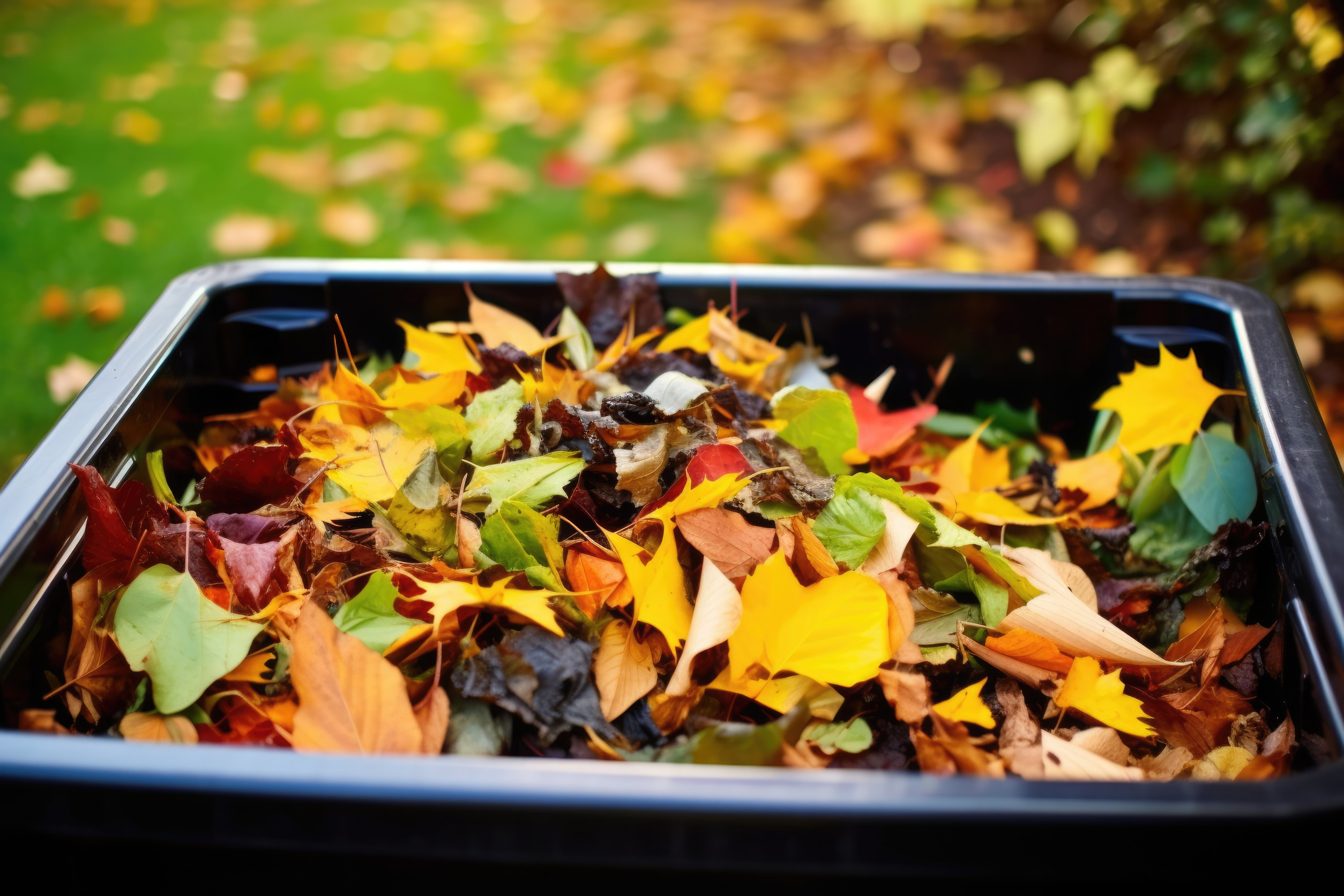
Leaves are everywhere in fall, and they’re gold for composters—literally. On their own, whole leaves can take ages to break down, but shred them and they vanish much faster. Fall’s natural dampness adds the perfect amount of moisture to keep them from turning crispy and stalling decomposition. Microbes thrive on shredded leaves, especially when mixed with nitrogen-rich kitchen scraps. Collect them now, and you’ll have a treasure trove of compost-ready material all winter long.
5. Squash and Gourd Scraps
Those decorative gourds on your table? Once they’ve had their festive moment, they’re perfect for composting. Like pumpkins, squash and gourds are water-heavy and soft-fleshed, meaning they decompose rapidly in fall conditions. Cutting them into smaller chunks accelerates the process even more. Fall’s balance of cool air and lingering warmth makes them break down without attracting too many pests. Worms and bacteria alike love these sweet, soft scraps.
6. Tea Bags and Loose Tea Leaves
Fall is cozy-tea season, which means more tea bags and leaves making their way to your compost pile. Tea leaves are nitrogen-rich and small, so they decompose incredibly quickly. The paper bag (if unbleached and plastic-free) also breaks down easily in the damp fall compost. The moisture in your pile this time of year helps the tea fully blend in within weeks. Just double-check your tea bags for those sneaky plastic linings before tossing them in.
7. Corn Husks and Cobs
Nothing says fall like roasted corn at a fair or a cozy dinner table. While whole cobs can be slow to break down, fall’s mix of moisture and cooler temps gives them a decomposition boost. Husks, especially shredded, vanish much faster, adding fiber and bulk to your compost. Worms and fungi love working on these fibrous scraps in autumn conditions. If you chop cobs into smaller sections, they’ll surprise you with how quickly they soften and disappear.
8. Bread and Baked Goods (in Moderation)
Those leftover rolls from Thanksgiving? They’re prime compost fuel in fall. Bread is soft, absorbs moisture easily, and quickly becomes a playground for microbes in cooler conditions. The autumn air prevents it from molding too aggressively, letting it break down smoothly. Just remember moderation: too much bread can attract pests or clump into soggy balls. Mixed with shredded leaves or straw, though, bread can vanish in record time.
Compost Like a Fall Pro
Fall isn’t just a season for pumpkins and apple cider—it’s the ultimate composting accelerator. From pumpkin guts to tea bags, certain ingredients break down faster in this magical mix of cool nights and damp mornings. By tossing these eight ingredients into your pile, you’ll set yourself up for rich, ready-to-use compost come spring.
Have you noticed certain scraps disappearing faster in your compost this season? Share your experiences, favorite composting tricks, or autumn compost wins in the comments below.
You May Also Like…
Why Fall Is the Best Season to Start a Compost Pile
How to Protect Tender Perennials From Sudden Frost
The Secret Ingredient That Makes Compost Work Twice as Fast
Use These 8 Winter Composting Tips for Gardeners
The Watering Technique That Prevents Root Rot

Brandon Marcus is a staff writer for FrugalGardening.com at District Media, Inc., where he delivers practical gardening advice with a relatable, no-nonsense style. An avid amateur gardener, he holds a BA degree and with over ten years of professional writing experience, he is also an award-winning published author whose first book, Questions For Deep Thinkers, was released by Adams Media. His work has appeared in major publications including Fandom.com, CHUD.com, TheColdWire.com, and Fansided.com.
Leave a Reply