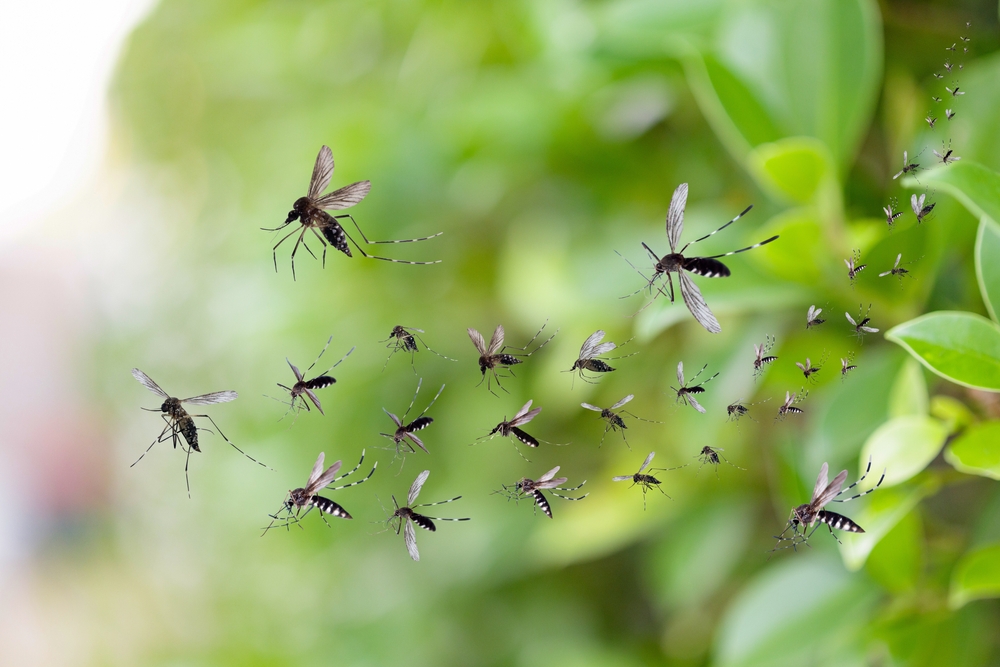
Mosquito season has a way of turning a relaxing evening outdoors into an irritating battle. One minute the grill is heating up, and the next, everyone starts swatting, scratching, and looking for a quick escape indoors. Many homeowners assume mosquitoes appear simply because the weather gets warm, but a surprising number of infestations begin much closer to home.
The frustrating part is that people often make mosquito problems worse without realizing it. A backyard can look tidy, attractive, and well-maintained while quietly creating the perfect environment for these unwanted pests. The good news is that one simple change can dramatically reduce mosquito activity and make outdoor spaces much more enjoyable throughout the warmer months.
The Real Culprit Often Hides in Plain Sight
Most mosquito problems start with standing water, not overgrown grass or neglected landscaping. Mosquitoes rely on water to reproduce, and even tiny amounts can become breeding grounds in a surprisingly short period of time. A forgotten flowerpot saucer, a clogged gutter, or a bucket left outside after rain can provide exactly what mosquitoes need. Many homeowners focus on killing adult mosquitoes while ignoring the places where new generations continue to develop. As a result, the mosquito population keeps returning no matter how many sprays or repellents get used.
The tricky part involves how easily standing water blends into the background of everyday backyard life. Birdbaths, decorative fountains, children’s toys, pet bowls, and outdoor furniture covers can all collect water after rainfall. Since these items often belong in a yard, people rarely view them as potential mosquito nurseries. Mosquitoes do not need a pond or a large puddle to reproduce successfully. Small pockets of water scattered around a property can support enough breeding activity to create a noticeable mosquito problem.
Why Tiny Amounts of Water Matter So Much
Many people imagine mosquitoes laying eggs in large pools of water, but reality tells a different story. Mosquitoes frequently choose shallow, stagnant water because it offers protection and stability for developing larvae. A bottle cap filled with rainwater might not create a major issue by itself, but multiple small water sources across a property can quickly add up. What looks insignificant to a homeowner may look ideal to a mosquito.
This explains why some neighborhoods experience more mosquito activity than others despite similar weather conditions. One property may contain several unnoticed water collection points while a neighboring yard stays relatively dry. Mosquitoes do not respect property lines, either. A breeding site in one backyard can affect nearby homes as adult mosquitoes spread throughout the area. Eliminating standing water helps reduce mosquito numbers before they reach the biting stage, making it one of the most effective prevention strategies available.
Common Backyard Items That Create Mosquito Hotspots
Many mosquito breeding sites hide in places people rarely inspect. Gutters often collect leaves and debris that trap water long after rainstorms pass. Outdoor planters commonly feature drainage trays that hold water for days. Wheelbarrows, tarps, recycling bins, and unused gardening equipment frequently become accidental water reservoirs. These items may seem harmless, yet they can contribute significantly to local mosquito populations.
Decorative features can also create unexpected problems when maintenance gets overlooked. Birdbaths provide fresh water for birds, but stagnant water attracts mosquitoes if owners fail to refresh it regularly. Water gardens and ornamental ponds can become breeding locations when circulation systems stop working properly. Even outdoor toys left around the yard can collect enough rainwater to support mosquito larvae. A quick weekly inspection often reveals several areas that need attention.
Smart Prevention Beats Constant Swatting
The most effective mosquito control strategy focuses on prevention rather than reaction. Removing standing water interrupts the mosquito life cycle before adults emerge and begin biting. Homeowners who spend a few minutes each week checking their yards often notice a significant difference in mosquito activity. Emptying containers, cleaning gutters, and refreshing birdbath water create an environment that mosquitoes find far less attractive.
Additional steps can strengthen those efforts even further. Maintaining proper drainage helps prevent puddles from lingering after storms. Keeping vegetation trimmed improves airflow and reduces shady resting spots where mosquitoes like to hide during the day. Homeowners who combine water management with routine yard maintenance usually achieve better results than those who rely exclusively on chemical treatments. Prevention costs less, requires less effort over time, and addresses the root cause of the problem.
Small Habits Can Have a Big Impact
Mosquito control often comes down to consistency rather than complicated solutions. A homeowner who regularly checks the yard after rainfall can catch potential breeding sites before they become a problem. This habit takes only a few minutes but can save countless hours of frustration later. Families who enjoy outdoor dining, gardening, or relaxing on the patio often notice the benefits quickly.
The same principle applies throughout the season. Summer storms, sprinkler systems, and everyday outdoor activities continually create new opportunities for standing water to appear. Staying alert helps prevent small issues from turning into larger infestations. Instead of fighting mosquitoes after they arrive, homeowners can make their yards far less welcoming from the start.
A Dryer Yard Is a Happier Yard
Mosquitoes may seem like an unavoidable part of summer, but many backyard infestations begin with preventable mistakes. Standing water remains one of the biggest contributors to mosquito populations, and it often hides in places people overlook every day. By identifying and eliminating those water sources, homeowners can reduce mosquito activity significantly and enjoy their outdoor spaces more comfortably.
What surprising place have you discovered standing water around your yard, and what tricks have helped you keep mosquitoes away? Share your experiences in the comments below!
You May Also Like…
9 Backyard Habits That Can Accidentally Invite Pests
Which Plant Pairings Naturally Reduce Pests and Improve Yields
Why Some Gardens Attract More Pests
7 Natural Repellents That Help Keep Insects Away
How to Protect Garden Borders From Pests

Brandon Marcus is a staff writer for FrugalGardening.com at District Media, Inc., where he delivers practical gardening advice with a relatable, no-nonsense style. An avid amateur gardener, he holds a BA degree and with over ten years of professional writing experience, he is also an award-winning published author whose first book, Questions For Deep Thinkers, was released by Adams Media. His work has appeared in major publications including Fandom.com, CHUD.com, TheColdWire.com, and Fansided.com.
Leave a Reply