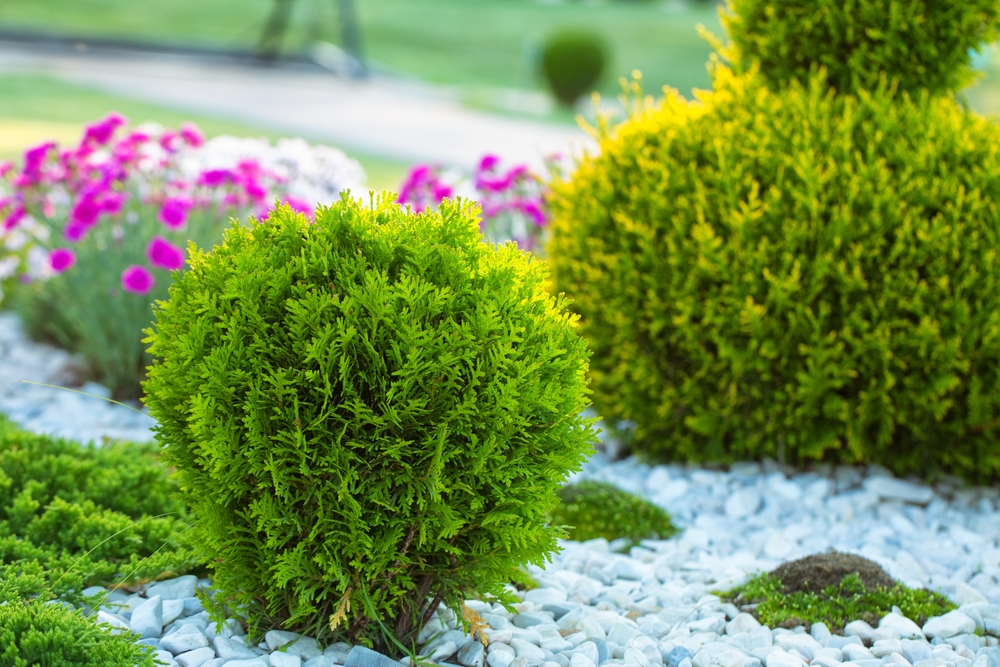
Winter rolls in, and suddenly the garden looks like it took a vacation without leaving a forwarding address. Dead leaves, brown stems, and empty soil patches can make even the most seasoned gardener feel a little defeated. But don’t despair—some plants not only survive but actually shine when everything else goes dormant. Choosing the right greenery can bring life, color, and texture to your garden even in the gloomiest months. If you pick wisely, your outdoor space can become a winter wonderland instead of a barren yard.
Understand Which Plants Are Naturally Resilient
Not all plants are created equal, and some have survival skills that would impress a mountaineer. Evergreens, hardy perennials, and certain shrubs are designed to withstand harsh temperatures while keeping their beauty intact. When selecting plants, look for those labeled “cold-hardy” or “winter resilient.” These species have adapted to slow growth, conserve energy, and protect their leaves or needles from frost damage. By focusing on these natural survivors, you can ensure your garden isn’t just existing—it’s thriving.
Prioritize Plants With Color And Texture
A garden in dormancy doesn’t have to be a monotone brown field. Many plants offer vibrant foliage, berries, or striking bark that stand out when most of the landscape is muted. Red-twig dogwood, holly, and winterberry provide bold colors, while evergreens like boxwood or juniper add texture and shape. Layering these plants creates a dynamic visual effect that draws the eye across the garden. Choosing species that combine hardiness with aesthetic appeal means your winter garden will feel alive, not lifeless.
Consider Microclimates And Shelter
Even hardy plants have limits, so understanding your garden’s microclimates is key. South-facing walls, fences, or natural windbreaks can create warmer pockets where more delicate plants might survive. Conversely, exposed areas may need only the toughest species or extra protection. Observing where frost settles, how wind moves, and how sunlight hits different areas will guide your choices. By planting strategically, you can stretch your options far beyond what a blanket “hardiness zone” might suggest.
Choose Plants That Encourage Wildlife
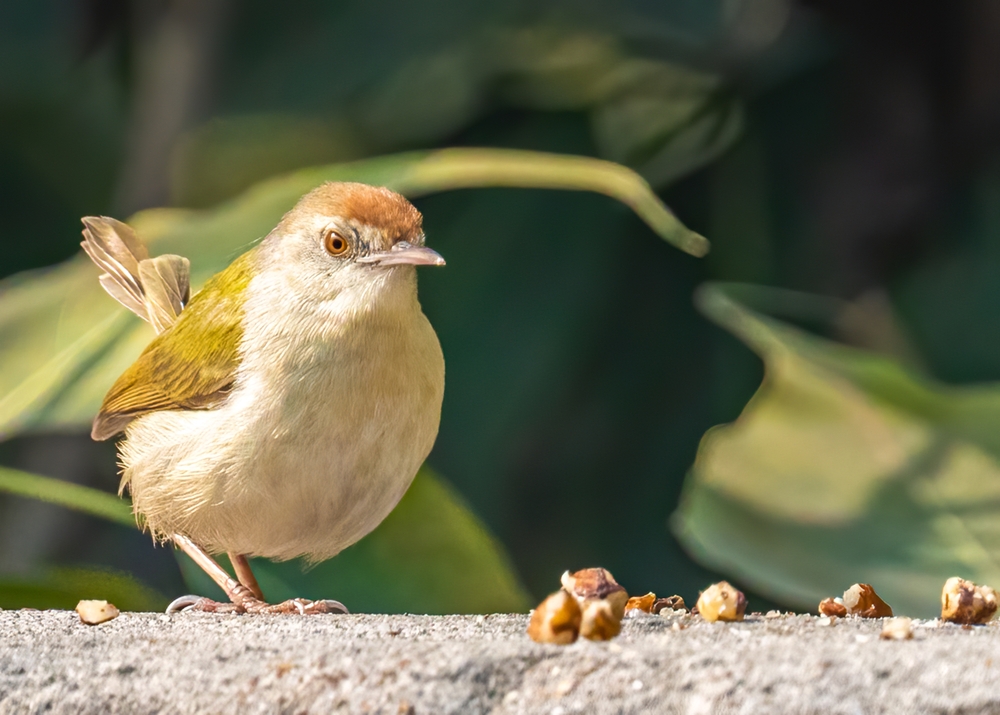
Winter isn’t just hard on plants—it’s hard on birds, bees, and other wildlife that depend on them for sustenance. Selecting species that produce berries, seeds, or shelter benefits both your garden and the local ecosystem. Plants like snowberry, serviceberry, and viburnum provide food for birds, while evergreens offer shelter from cold winds. Watching your garden come alive with wildlife activity adds an extra layer of enjoyment. It’s a win-win: resilient plants keep your garden beautiful, and wildlife keeps it lively.
Opt For Low-Maintenance Options
Winter gardening isn’t about extra chores—it’s about smart choices. Plants that require minimal pruning, watering, or soil adjustment are perfect for the dormant season. Many hardy perennials and evergreen shrubs can tolerate neglect and still look good. Think of plants that store energy in roots or bulbs; they’ll bounce back with vigor in spring. Low-maintenance species save time, reduce stress, and let you enjoy your garden without constant worry.
Use Containers And Planters Strategically
If your soil is prone to freezing or waterlogging, containers can be a game-changer. Hardy plants can be moved or grouped to protect them from extreme conditions. Clay, ceramic, or insulated planters help regulate root temperatures, giving your plants a better chance of survival. Plus, containers let you experiment with plant combinations and layouts that might not work in-ground. This flexibility ensures you have options even when the weather seems determined to defeat you.
Think About Evergreen Varieties
Evergreens are the backbone of any garden that refuses to sleep during winter. Pines, spruces, firs, and hollies maintain their foliage year-round, creating a sense of life and structure even when other plants have bowed out. Some varieties even produce cones or berries that add seasonal charm. They also provide a backdrop for other winter highlights, like late-blooming perennials or decorative ornaments. Investing in evergreens means your garden always has an anchor, no matter how dormant the rest becomes.
Rotate Seasonal Interests
Choosing plants that peak in different seasons ensures your garden never feels empty. While some bloom in summer, others like hellebores, pansies, or certain ornamental grasses thrive when the frost sets in. Planning for seasonal rotation allows you to enjoy varied textures, colors, and scents year-round. Even in winter, this approach gives the impression of a carefully curated, constantly evolving garden. It’s all about thinking ahead and layering interest rather than relying on a single season to carry the show.
Take Advantage Of Hardy Bulbs
Many spring bulbs don’t need you to do anything until the first warm day, but some hardy varieties start poking through the cold soil even in late winter. Crocuses, snowdrops, and certain daffodils can handle frost and provide early hints of color. Planting bulbs strategically under evergreens or shrubs protects them while allowing them to thrive. These little surprises add anticipation and charm to your winter landscape. Over time, they create a natural rhythm of growth that makes each season feel alive.
Create A Garden That Defies Dormancy
Choosing plants that thrive when everything else goes dormant is both a science and an art. By focusing on resilience, color, texture, and wildlife benefits, you can build a garden that stays vibrant even in the coldest months. Low-maintenance, strategic placement, and seasonal rotation give you the best chance of success while minimizing stress. Over time, your garden becomes a living testament to thoughtful planning and patient nurturing.
Have you tried winter gardening or chosen plants that defy dormancy? Share your experiences, tips, or stories in the comments section below.
You May Also Like…
How Garden Lighting Changes Everything in the Winter Landscape
Why Mulching in December Can Save Your Spring Garden
The Secret to Maintaining Soil Health Under Snow
6 Cold Weather Herbs That Keep Producing Indoors
6 Indoor Herb Gardens Perfect for the Holiday Season

Brandon Marcus is a staff writer for FrugalGardening.com at District Media, Inc., where he delivers practical gardening advice with a relatable, no-nonsense style. An avid amateur gardener, he holds a BA degree and with over ten years of professional writing experience, he is also an award-winning published author whose first book, Questions For Deep Thinkers, was released by Adams Media. His work has appeared in major publications including Fandom.com, CHUD.com, TheColdWire.com, and Fansided.com.
Leave a Reply