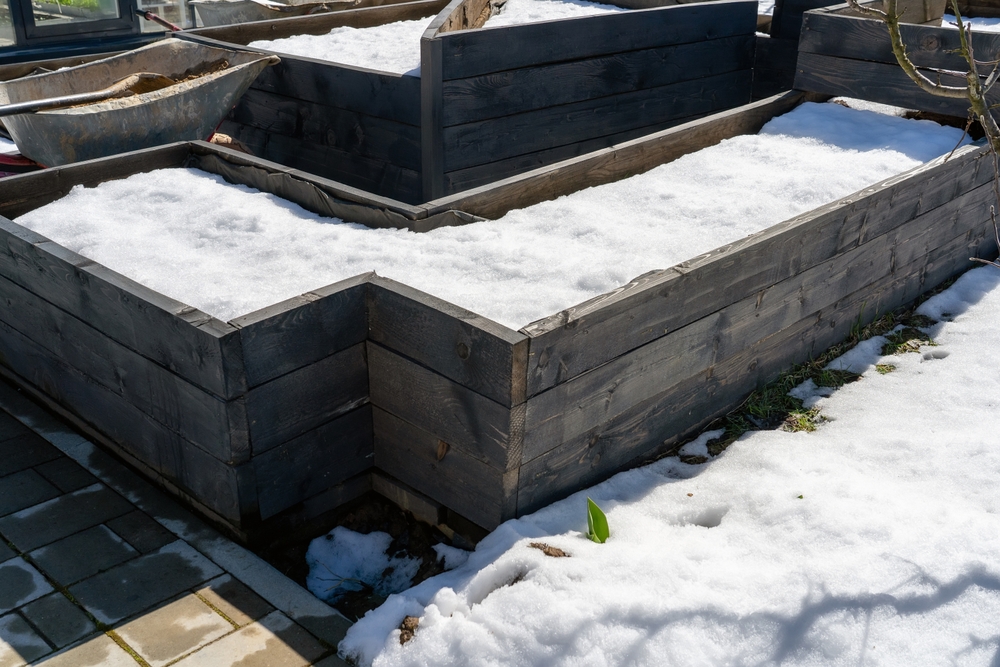
Winter gardening often gets a bad rap.
Cold, snow, and freezing winds make most people think that growing anything in containers is impossible. But with a bit of creativity, clever planning, and the right tools, winter container gardening can be surprisingly productive—and even fun.
From leafy greens thriving under a balcony cover to herbs basking in a sunny window, winter doesn’t have to mean the death of your garden dreams.
Choosing The Right Containers For Winter Growth
The container you choose can make or break your winter garden. Materials like ceramic, plastic, and wood all behave differently in freezing temperatures, with some insulating roots better than others. Deep containers give plants more soil to hold warmth, while shallow ones can freeze faster and stress the roots.
Drainage is essential—stagnant water can freeze and damage plant tissues, so holes are non-negotiable. Picking the right size and material helps your plants survive and even thrive during the cold months.
Selecting Crops That Actually Survive Winter
Not all plants are willing to battle frost and chilly nights, so choosing the right crops is critical. Hardy greens like kale, spinach, and Swiss chard are surprisingly tolerant of cold and can even taste sweeter after a frost. Herbs such as thyme, rosemary, and parsley can handle cooler temperatures if given some protection. Root vegetables like carrots and radishes can remain in containers and grow slowly throughout the winter. Understanding which crops naturally endure cold ensures your winter container garden doesn’t end up as a sad display of wilted leaves.
Using Protection To Keep Plants Warm
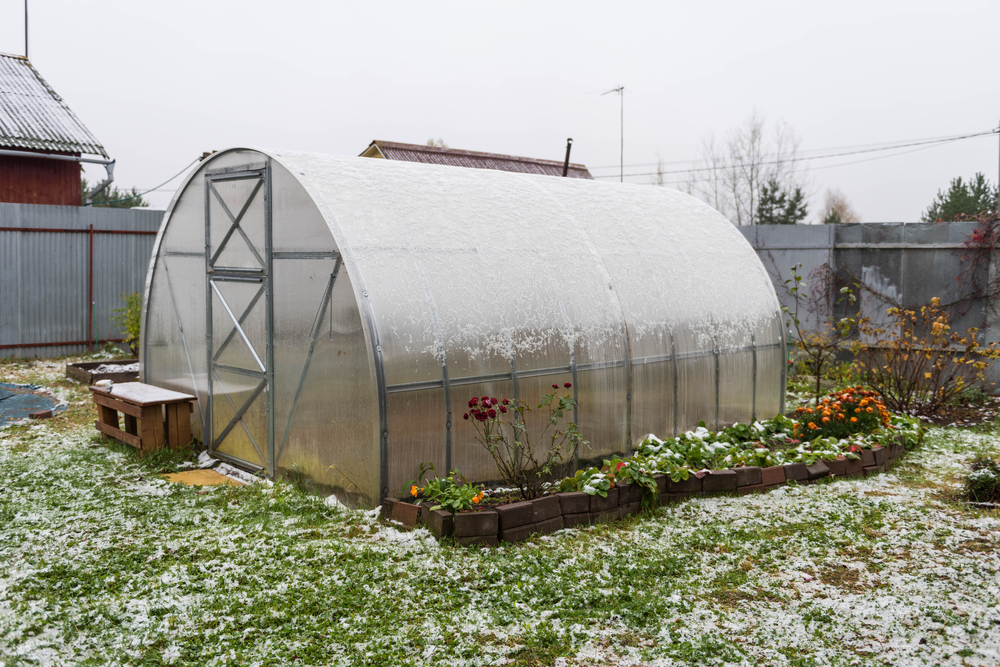
Even cold-hardy crops need a little extra protection in extreme weather. Cloches, mini greenhouses, or even clear plastic covers can create a cozy microclimate around your containers. Adding mulch or straw on top of the soil insulates roots and slows heat loss overnight. Grouping containers together against a south-facing wall can also trap warmth and shield them from icy winds. These simple strategies can be the difference between a productive winter garden and a collection of frozen pots.
Managing Light When The Days Are Short
Short winter days can leave your plants struggling to photosynthesize enough energy to survive. Position containers in the sunniest spots possible—south-facing windows, balconies, or patios work best. Reflective surfaces, like white walls or mirrors, can bounce extra light onto plants and make a surprising difference. For gardeners serious about growth, supplemental LED or fluorescent grow lights can mimic longer summer days. Managing light effectively keeps your crops healthy, vibrant, and ready for harvest even in the darkest months.
Watering Wisely During Cold Months
Watering in winter requires a different mindset than in summer. Cold soil holds water longer, so overwatering can be a bigger problem than underwatering. Check containers carefully before adding moisture and aim for a balance that keeps roots hydrated without making them soggy. Morning watering allows soil to absorb liquid before freezing temperatures hit at night. Paying attention to winter watering rhythms protects roots and ensures your plants remain healthy all season long.
Fertilizing For Slower Winter Growth
While growth slows in winter, your plants still need nutrients to stay healthy. Light, balanced fertilizers help maintain leaf color and support root development without overstimulating growth that cold weather can’t sustain. Organic options like compost teas or diluted liquid fertilizers work well for container gardens. Avoid heavy feeding that encourages tender shoots—these are often the first to succumb to frost. The right winter nutrition keeps plants alive and thriving, ready to burst back into growth come spring.
Creative Container Placement Strategies
Where you place your containers can dramatically affect survival and productivity. South-facing walls trap heat and shield against wind, while elevated surfaces reduce frost risk by keeping containers off frozen ground. Indoor placement near sunny windows works well for herbs and leafy greens. Rotating containers occasionally ensures all sides of your plants receive light and warmth. Strategic placement maximizes sunlight, warmth, and protection, giving your winter garden a better chance to flourish.
Harvesting And Maintenance In The Cold
Harvesting in winter is often more rewarding than you might expect. Many cold-tolerant crops become sweeter and more flavorful after exposure to frost. Trim leaves regularly to encourage growth and prevent overcrowding. Remove any dead or damaged foliage to maintain overall plant health. Consistent maintenance ensures your winter container garden remains productive and enjoyable, even when snow is piling up outside.
Winter Gardening Is Totally Possible
Growing food in containers during winter is not only feasible but also surprisingly satisfying. With the right crops, containers, protection, and care, you can enjoy fresh greens and herbs even in the coldest months. Winter gardening teaches patience, creativity, and adaptability—all valuable skills for any gardener.
Have you tried growing plants in containers during winter? Share your successes, failures, tips, or funny mishaps for others below.
You May Also Like…
10 Containers You Can Use to Grow Winter Annuals
How to Transition Summer Containers Into Autumn Displays
The Container Gardening Trick That Saves Space and Boosts Yield
Are Winter Annuals Really Worth Your Time?
How Garden Lighting Changes Everything in the Winter Landscape

Brandon Marcus is a staff writer for FrugalGardening.com at District Media, Inc., where he delivers practical gardening advice with a relatable, no-nonsense style. An avid amateur gardener, he holds a BA degree and with over ten years of professional writing experience, he is also an award-winning published author whose first book, Questions For Deep Thinkers, was released by Adams Media. His work has appeared in major publications including Fandom.com, CHUD.com, TheColdWire.com, and Fansided.com.
Leave a Reply