As the sun starts dipping earlier and the air turns crisp, most people think gardening season is over. But here’s a little secret seasoned growers know—some crops absolutely thrive when the days grow shorter. These resilient, cool-weather champs use the lower light and milder temperatures to produce rich flavors, vibrant colors, and satisfying harvests.
Forget the summer heat and endless watering; autumn is when certain plants truly show off. If you’ve ever wondered what to plant when the days start to shrink, these seven crops will make your garden feel alive again—even as the sunlight fades.
1. Spinach: The Cool-Weather Powerhouse
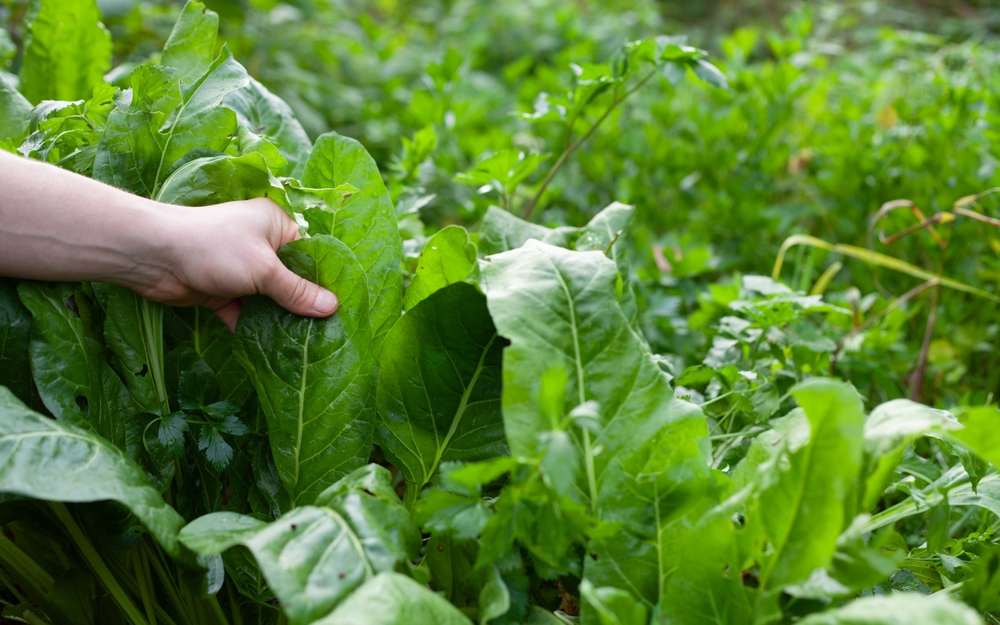
Spinach might just be the poster child for short-day crops. This leafy green loves cooler temperatures, which make its flavor sweeter and its texture tender. When the days grow shorter, spinach thrives without bolting into bitter seed heads—a common problem during summer. It grows quickly, meaning you can squeeze in multiple harvests before frost really sets in. Plant it in late summer, and you’ll have vibrant, nutrient-packed greens well into the chill of fall.
2. Garlic: The Underground Overachiever
Garlic is a patient crop that plays the long game. You plant it in the fall, just as the days are shrinking, and it quietly sets roots before winter. While most plants take a seasonal nap, garlic uses the cold months to prepare for a spring explosion of growth. Short days help it focus on developing strong roots instead of rushing upward. Come next summer, you’ll have full, flavorful bulbs ready to harvest—a true reward for your autumn effort.
3. Kale: The Cold-Resistant Superfood
Kale is the rugged survivor of the plant world. The shorter the days get, the happier it seems to become. It shrugs off frost like it’s nothing, and those chilly nights actually make its leaves taste sweeter. Unlike many summer greens, kale doesn’t wilt under cooler light conditions—it thrives. By late fall, your garden can be covered in deep green or purple leaves that are practically bursting with nutrients and flavor.
4. Carrots: Sweetness in the Shadows
If you’ve ever bitten into a fall-harvested carrot and thought, “Wow, this is sweeter than usual,” you’re absolutely right. Carrots love shorter days because cooler temperatures trigger them to convert starch into sugar for protection against the cold. That’s why late-season carrots taste almost candy-like. The reduced sunlight doesn’t bother them—they focus on root growth rather than leafy tops. Plant them in midsummer, and by the time daylight fades, you’ll be digging up pure orange gold.
5. Broccoli: The Crown Jewel of Fall Gardens
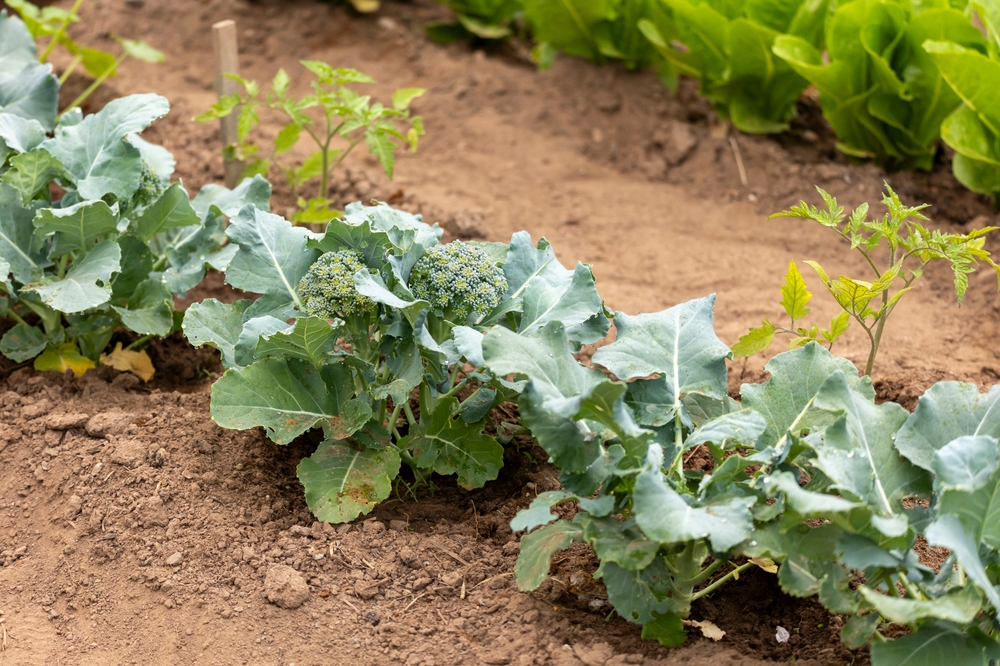
Broccoli is a diva in the heat but a superstar in the cool. Shorter days help it form tight, flavorful heads instead of loose, leggy ones. It thrives when the sun is mellow and the air is crisp, soaking up the mild conditions like a true seasonal specialist. The cooler climate also enhances its rich green color and mild flavor, making your harvest both beautiful and delicious. Grow it in the fading light, and you’ll see why broccoli belongs to autumn.
6. Beets: The Root That Gets Better in the Dark
Beets are the underground artists of the gardening world, painting the soil with deep reds and golds while everyone else is closing shop for winter. As daylight decreases, beets focus all their energy underground, creating plump, earthy roots that pack incredible flavor. The shorter days actually encourage better development, since the plant doesn’t waste time on excess leaf growth. Both the roots and the greens thrive in cool weather, giving you a two-for-one harvest. If you want color, nutrition, and versatility, beets are your go-to short-day crop.
7. Lettuce: The Low-Light Legend
Lettuce doesn’t just tolerate shorter days—it practically celebrates them. In the heat of summer, it bolts faster than you can say “salad,” but in cooler seasons, it stays lush and mild. Shorter days slow down its growth just enough to let the leaves develop full flavor without bitterness. The cool weather keeps the texture crisp, while the lower light prevents stress and wilting. With a little protection from frost, you can enjoy fresh lettuce nearly all autumn long.
Short Days, Big Rewards
Just because the days are shorter doesn’t mean your gardening season has to end. In fact, it’s the perfect time to plant crops that shine when the sun takes a step back. These cool-weather heroes—spinach, garlic, kale, carrots, broccoli, beets, and lettuce—prove that abundance doesn’t rely on endless sunshine. With the right timing and care, your late-season garden can be just as vibrant and productive as summer’s peak.
Have you grown any of these short-day-loving crops before? Share your tips, stories, or favorite harvest moments in the comments below.
You May Also Like…
- 8 Crops That Should Never Be Left in the Ground Over Winter
- How Morning Frost Helps Some Crops Ripen
- 10 Shade-Tolerant Crops for Shorter Fall Days
- 5 Fertilizers to Skip in the Cool Season
- How to Save Money Buying Fall Perennials

Brandon Marcus is a staff writer for FrugalGardening.com at District Media, Inc., where he delivers practical gardening advice with a relatable, no-nonsense style. An avid amateur gardener, he holds a BA degree and with over ten years of professional writing experience, he is also an award-winning published author whose first book, Questions For Deep Thinkers, was released by Adams Media. His work has appeared in major publications including Fandom.com, CHUD.com, TheColdWire.com, and Fansided.com.
Leave a Reply