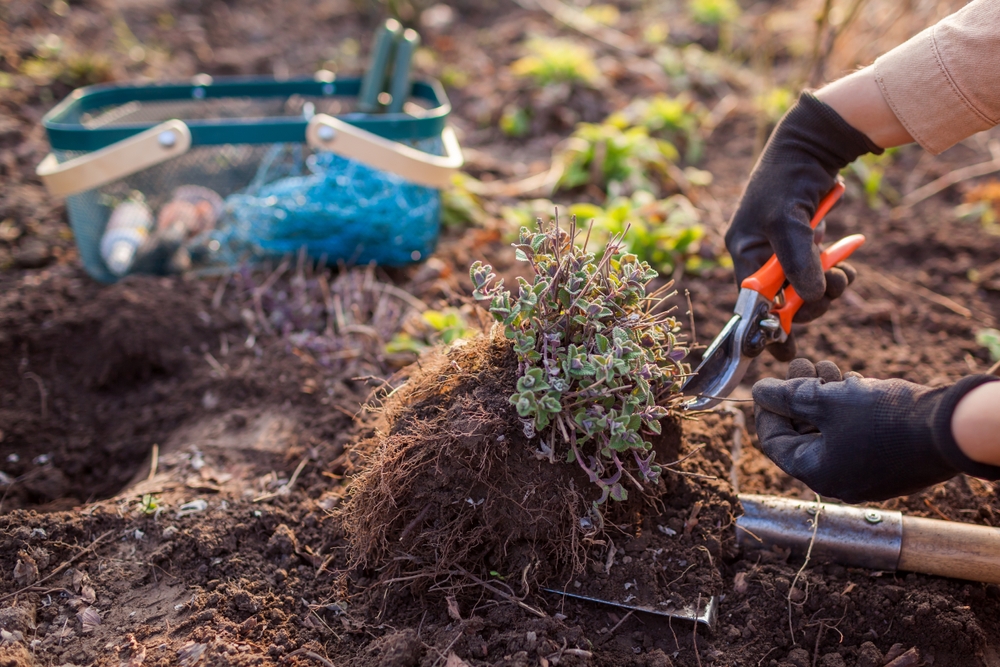
You know the feeling—sweat dripping, sun blazing, shovel sticking to the dirt like glue. Root pruning in summer can feel like a slow-motion workout you never signed up for. But once the air turns crisp and the leaves start falling, something magical happens: the soil loosens, the roots cooperate, and suddenly, you’re out there slicing through dirt like a gardening ninja.
There’s a reason every seasoned gardener seems to schedule root pruning for fall or early spring. Cooler weather isn’t just more comfortable for you—it’s easier on the plants, too.
Plants Take a Chill Pill in Cool Weather
When temperatures drop, most plants naturally slow down their growth. This dormancy phase is like their version of a power nap—a time to recharge without pushing out new leaves or roots. That means less stress when you come along with your spade to prune the roots. In warm months, cutting into an active root system can send a plant into shock, stalling growth or even causing damage. But in cooler weather, the plant’s metabolism is slower, so it can handle a little tough love without panicking.
Soil Is Softer, Stickier, and Way More Cooperative
Summer soil can be cruel—baked hard by the sun and bone-dry at the worst possible moments. Cooler seasons, especially fall, usually bring more moisture and gentler temperatures, which makes the soil softer and easier to dig through. Your shovel slides in with less resistance, making precise cuts around the root ball simple and satisfying. That loamy, damp texture means you can control how deep or wide you go without fighting compacted dirt. In short, cooler weather turns the ground into your best ally instead of your biggest enemy.
Less Evaporation Means Less Stress
Here’s a sneaky perk of root pruning in cool weather: moisture actually stays put. In hot weather, even after you water thoroughly, evaporation pulls moisture from the soil before your plant’s roots can benefit. But when temperatures drop, water lingers longer, allowing the remaining roots to stay hydrated after pruning. That makes recovery quicker and reduces transplant shock later on. Plus, it’s one less reason to panic about forgetting to water for a day or two—nature’s got your back when the air is cool and calm.
Cooler Weather Encourages Root Recovery
Here’s the real magic: cooler weather doesn’t just make pruning easier—it makes regrowth better. When plants aren’t focused on pushing out new leaves or flowers, they quietly shift energy underground. That’s when roots strengthen, branch out, and prepare for spring growth. Root pruning in fall gives your plant a head start, allowing those trimmed roots to heal and reestablish themselves before the next growth spurt. Come spring, your plant will explode with vigor instead of sulking from recent surgery.
You Avoid Heat-Related Plant Shock
Prune roots in summer and your plant’s stress response goes into overdrive. Roots are how a plant breathes, drinks, and eats—so cutting them when it’s already struggling in the heat is a recipe for disaster. Cooler air means less transpiration (that’s the plant’s version of sweating), which reduces the overall stress load. Think of it like scheduling surgery in mild weather instead of during a heatwave—everything just runs smoother. Fewer stress signals mean faster healing and a happier, hardier plant.
Pests and Diseases Are Less of a Threat
Hot, humid weather is paradise for pests and pathogens that love fresh cuts and wounded roots. Cooler conditions, on the other hand, send most of those troublemakers packing. You’re less likely to deal with fungus gnats, root rot, or opportunistic infections after pruning. That means fewer chemicals, fewer headaches, and fewer surprise losses. It’s nature’s built-in disinfectant—cold air keeps the bad stuff away while your plants quietly recover underground.
You Get More Predictable Results
Root pruning in cool weather gives you time to plan, observe, and adjust. The plant won’t be sprinting through its growth cycle, so you can take a more measured approach. You’ll notice how the roots respond, how the plant rebounds, and whether you need to tweak your timing next year. Because the plant’s energy is focused on stabilizing rather than expanding, it’s easier to see the real effects of your pruning work. No frantic regrowth, no unpredictable wilt—just steady, reliable improvement.

It Sets the Stage for Transplant Success
If your goal is to eventually move that tree, shrub, or potted plant, pruning roots in cooler weather is like prepping for a marathon before race day. By trimming the outer roots months ahead, you encourage a tighter, healthier root ball that’s easier to transplant. When the move finally happens, your plant won’t skip a beat—it’s already developed compact feeder roots that handle the transition beautifully. Gardeners who skip this step in summer often end up with shocked plants and wilted leaves. Root pruning in cool weather is like teaching your plant to pack its bags neatly before the big move.
It’s Just More Enjoyable for You
Let’s not forget the human factor: pruning roots in cool weather simply feels amazing. No scorching sun, no mosquitoes, no dripping sweat blinding your vision. The air smells earthy and alive, and you can take your time without feeling like you’re racing against heatstroke. You’ll work smarter, not harder, and still finish with energy to spare. Gardening becomes fun again instead of survival mode, and your plants will thank you with stronger growth when the season turns warm.
A Little Science, a Lot of Common Sense
At its core, root pruning in cooler weather makes sense because it aligns with the plant’s natural rhythm. When energy slows down above ground, it’s the perfect time to shape what’s happening below it. The plant can heal without interference, you can work without exhaustion, and the soil cooperates like it’s on your team. Every good gardener learns that timing is everything—and cooler weather gives you the perfect window to prune wisely. So the next time you feel the urge to dig in, wait until that chill hits the air. Both you and your plants will come out ahead.
Cooler Weather, Happier Roots
Root pruning isn’t just a seasonal chore—it’s a chance to strengthen your plants and set them up for success. Doing it in cooler weather turns a stressful task into a smart, strategic move that benefits everyone involved. The soil is softer, the plants are calmer, and the results are far more predictable. It’s one of those gardening secrets that’s so simple, you wonder why more people don’t do it.
Have you tried root pruning in cooler weather? Share your tips, experiences, or questions in the comments below—we’d love to hear your story.
You May Also Like…
11 Mulching Mistakes That Can Suffocate Roots
How Frost Heaves Damage Roots in Winter
Why Straw Mulch Protects Roots in Cold Weather
The Root Pruning Hack That Supercharges Growth
8 Vines That Should Be Cut Back Before Snow

Brandon Marcus is a staff writer for FrugalGardening.com at District Media, Inc., where he delivers practical gardening advice with a relatable, no-nonsense style. An avid amateur gardener, he holds a BA degree and with over ten years of professional writing experience, he is also an award-winning published author whose first book, Questions For Deep Thinkers, was released by Adams Media. His work has appeared in major publications including Fandom.com, CHUD.com, TheColdWire.com, and Fansided.com.
Leave a Reply