Picture this: a garden that magically comes back to life every spring without you lifting a finger. No digging, no replanting, no long afternoons spent covered in dirt wondering if you spaced the seeds correctly this time. Just bright, cheerful blooms that pop up year after year like loyal friends returning from vacation. Sounds like a dream, right? Well, it’s totally possible—thanks to self-seeding flowers.
These are the botanical overachievers that drop their own seeds at the end of the season, ensuring you get a repeat performance next spring without all the hard work. Let’s take a walk through seven flowers that do the heavy lifting for you and turn “set it and forget it” into your new gardening mantra.
1. California Poppy
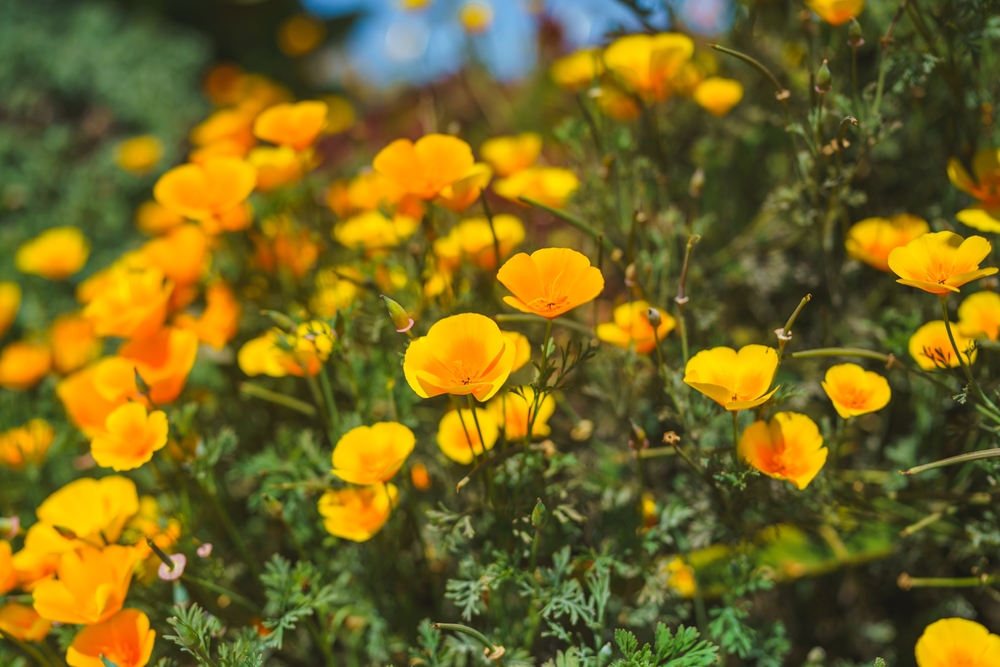
Few flowers scream “sunshine and joy” like the California poppy. With silky petals that shimmer in shades of orange, yellow, and red, this cheerful wildflower is the definition of low maintenance. Once established, it thrives on neglect, reseeding itself with carefree abandon. As soon as the blooms fade, the poppy’s seed pods burst and scatter new life all around. By next spring, you’ll find a fresh wave of golden blossoms swaying in the breeze, as if they planned the encore themselves.
2. Black-Eyed Susan
If your garden could use a touch of bold energy, Black-Eyed Susans are your go-to. Their sunny yellow petals and deep brown centers look like bursts of sunshine, brightening even the dullest corners. They self-seed so enthusiastically that you might find them popping up in new spots every year—like little floral explorers on a mission. Once the first frost hits, the dried seed heads quietly scatter, prepping for the next season. Come spring, they reappear stronger and thicker, as if they missed you and brought friends.
3. Larkspur
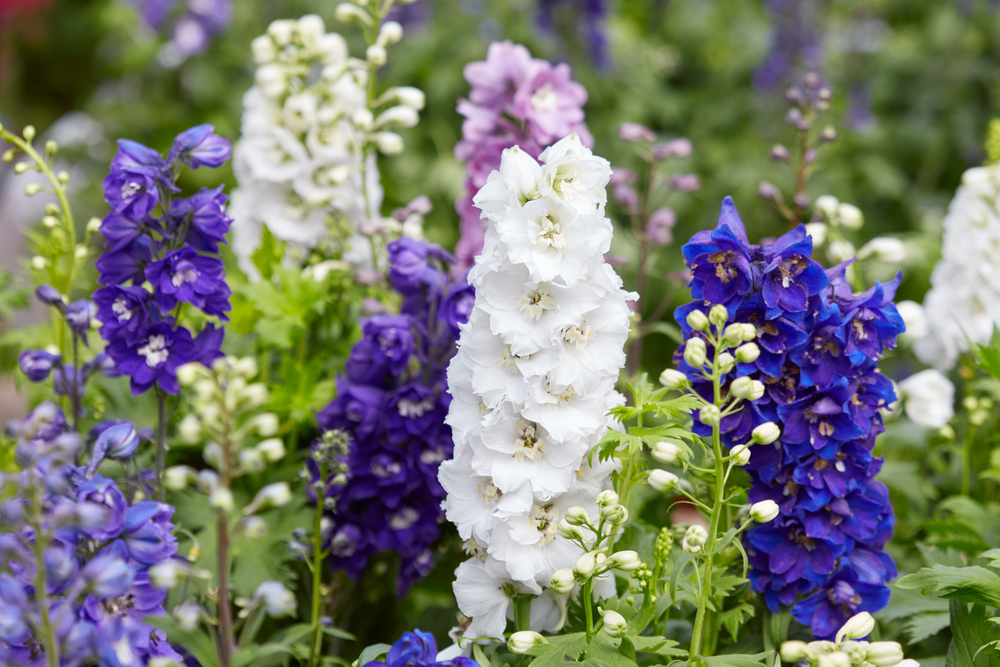
Larkspur is the show-off of the self-seeding world—tall, elegant, and endlessly photogenic. These slender spires of pink, purple, blue, and white add instant drama to any flower bed. Once they bloom, they produce tiny seeds that happily fall to the ground and tuck themselves in for winter. Larkspur thrives in cooler climates, so it’s often one of the first bursts of color you’ll see as the weather warms up. The best part? They seem to multiply every year, creating a dreamy cottage-garden vibe with zero extra effort.
4. Bachelor’s Button
Also known as cornflower, Bachelor’s Button is the charming rebel of the garden—tough, adaptable, and surprisingly generous. These classic blue blooms look delicate, but they can handle drought and poor soil like pros.
Once the petals fade, they release a bounty of seeds that settle in for next season. By spring, they’ll return in a cheerful mass of blue, pink, and white. It’s the kind of flower that makes you look like a master gardener when really, nature’s been doing all the work behind the scenes.
5. Sweet Alyssum
Sweet Alyssum might be small, but it’s mighty when it comes to reseeding. This ground-hugging beauty produces clusters of tiny, honey-scented flowers that create a soft carpet of white, pink, or lavender. When the season ends, it drops seeds so quietly that you might not even notice—until next spring when it reappears like a fragrant surprise. Bees love it, butterflies love it, and you’ll love how it fills in empty garden spaces with little effort. It’s the polite guest that always comes back and never overstays its welcome.
6. Nigella (Love-in-a-Mist)
If you want something whimsical and almost fairytale-like, Nigella is your flower. Its ferny, lace-like foliage surrounds pastel blooms in shades of blue, pink, and white, creating a misty, romantic effect. But the real magic happens after the petals fall—the seed pods look like tiny lanterns, ready to scatter next year’s garden when they dry out. Nigella seeds itself so freely that you’ll often find it popping up in unexpected spots, which only adds to its charm. It’s like nature’s way of surprising you with spontaneous beauty each spring.
7. Cosmos
Cosmos are the free spirits of the flower world—tall, airy, and endlessly cheerful. These easy-going blooms come in vibrant pinks, whites, and deep magentas that dance on delicate stems. Once they finish blooming, the plants drop their seeds generously, ensuring your garden is never without color. By next spring, you’ll find new Cosmos sprouting up everywhere, each one a reminder that nature loves to reward a little neglect. If you want effortless charm and endless blooms, this one’s a must-have for your “lazy gardener” collection.
Let Nature Do the Work
There’s something deeply satisfying about watching your garden rebloom on its own. Self-seeding flowers remind us that nature knows exactly what it’s doing—and sometimes the best gardening strategy is to simply get out of the way. These seven flowers don’t just bring color and life to your space; they also bring ease, joy, and a touch of wild beauty that can’t be planned. So this year, plant smart, sit back, and let your garden surprise you when spring rolls around again.
Have any favorite self-seeding blooms in your backyard? Share your thoughts, stories, or garden triumphs in the comments below.
You May Also Like…
6 Flower Beds That Benefit From Fall Re-Edging
6 Wildflowers to Scatter Before the Snow Comes
How To Get Free Seeds From The Government
Why Some Seeds Germinate Better in Cold Soil
7 Flowers That Only Show Their Best Color in Fall

Brandon Marcus is a staff writer for FrugalGardening.com at District Media, Inc., where he delivers practical gardening advice with a relatable, no-nonsense style. An avid amateur gardener, he holds a BA degree and with over ten years of professional writing experience, he is also an award-winning published author whose first book, Questions For Deep Thinkers, was released by Adams Media. His work has appeared in major publications including Fandom.com, CHUD.com, TheColdWire.com, and Fansided.com.
Leave a Reply