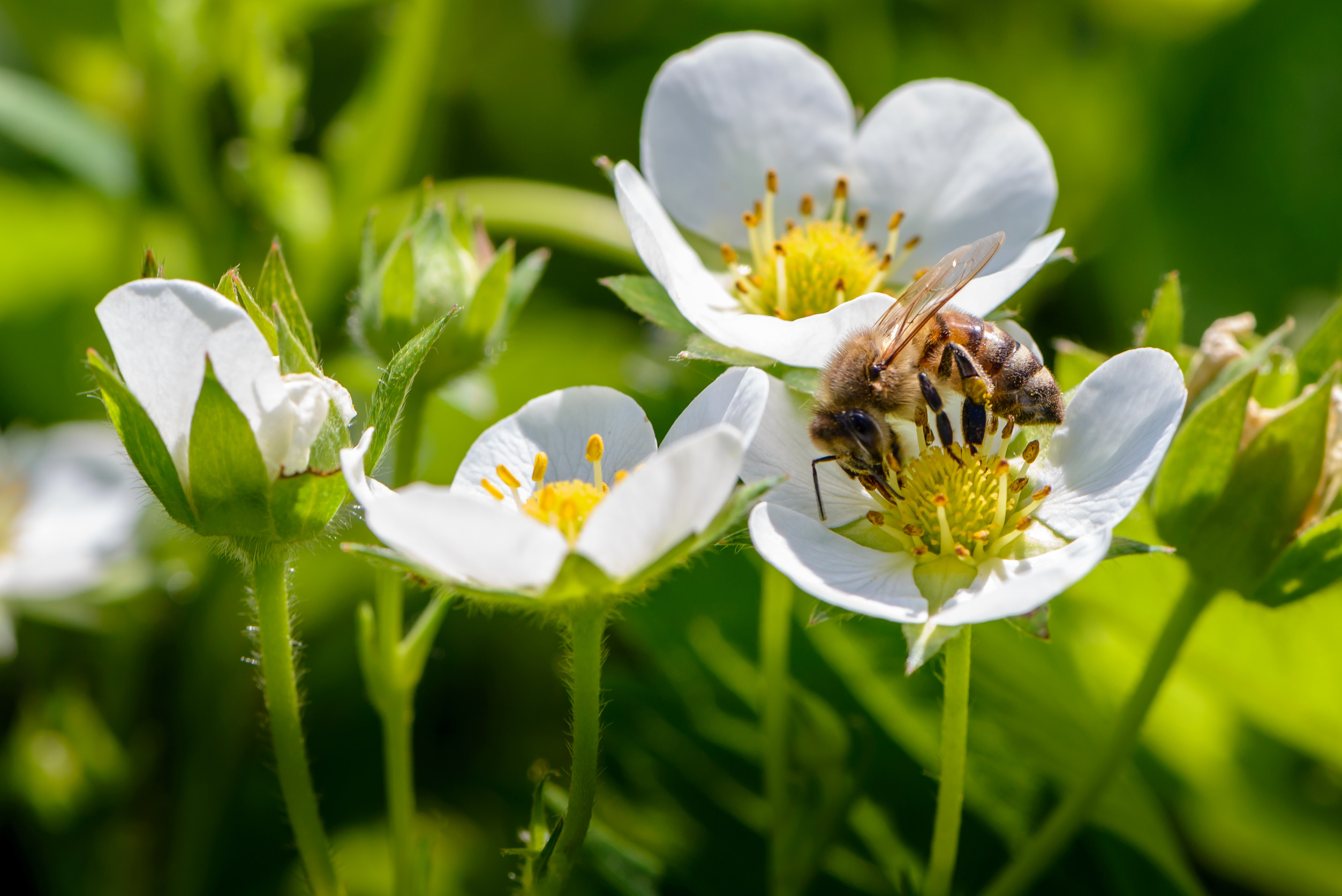
Did you know that how you treat your lawn can affect your garden? The chemicals used to achieve a healthy lawn often come with hidden costs. You may be chasing away critical pollinators without realizing it. Bees, butterflies, and other pollinators play a critical role in ecosystems, gardens, and food supplies. This simple mistake could reduce your garden yields, weaken fruit trees, and disrupt your neighborhood’s ecosystems. Here are eight common lawn treatments that may be killing the very pollinators you need.
1. Neonicotinoid Insecticides
Neonicotinoids are among the most widely used insecticides for lawn and garden care. While marketed as safe for plants, they are highly toxic to bees and other beneficial insects. Even if you just use these chemicals once, they coat seeds and soil and stick around for months. How do they kill pollinators? When pollinators ingest them when visiting treated flowers, they get disoriented or die. You may not realize that you are wiping out pollinators by using neonicotinoid insecticides. Neem oil is a good alternative. It disrupts insect feeding and reproduction but breaks down quickly in sunlight, reducing long-term harm to pollinators.
2. Broad-Spectrum Pesticides
If you need to target multiple insect pests, you may turn to broad-spectrum pesticides. But these chemicals don’t discriminate, harming both harmful bugs and beneficial pollinators. Butterflies, bees, and ladybugs often die after exposure. Overuse can also cause pest resistance. Then, you’ll be in a dangerous cycle of needing even more chemicals. requiring even more chemicals. You can avoid long-term damage by using beneficial insects like ladybugs, lacewings, and parasitic wasps. Things like sticky traps or row covers may also help.
3. Weed-and-Feed Fertilizers
Weed-and-feed products are very convenient. They combine herbicides and fertilizers into one application. But these herbicides can contaminate flowers that pollinators rely on for nectar. They disrupt foraging patterns and reproductive cycles of bees and butterflies. Even the run-off can be harmful. A quick fix for a weed-free lawn can be detrimental for pollinators. You may have to spot weed by hand or use vinegar-based natural herbicides on problem patches.
4. Fungicides
Fungicides are often assumed to be safer than insecticides, but research shows they can still harm pollinators. Bees exposed to fungicides are more vulnerable to disease. These chemicals can also linger on flowers, which is bad news for bees. Sulfur dust and copper-based sprays provide safer options when used in moderation.
5. Systemic Lawn Treatments
Systemic treatments are designed to be absorbed by plants and remain in their tissues for weeks or months. They may provide long-term protection from pests, but they are killing pollinators. These treatments contaminate pollen and nectar. Then, pollinators feeding on these plants ingest harmful doses that affect navigation, reproduction, and survival. The chemicals may be invisible once they dry, but they cause lasting damage. Safer choices include horticultural oils and dormant oils.
6. Pyrethroid Insecticides
Pyrethroids are synthetic chemicals modeled after natural pyrethrins found in chrysanthemums. While effective against mosquitoes and ticks, they are highly toxic to bees, especially when sprayed on blooming plants. Even spraying your lawn isn’t safe because pyrethroid insecticides can still get on flowers. These chemicals are often marketed as “safer,” but their impact on beneficial insects begs to differ. Try to use essential oil-based sprays made with rosemary or peppermint oils instead.
7. Overuse of Nitrogen Fertilizers
Fertilizers seem harmless, but excessive nitrogen disrupts soil health and plant diversity. Over-fertilized lawns favor grass at the expense of clover, wildflowers, and other pollinator-friendly plants. Pollinators lose key nectar sources, reducing biodiversity in local areas. You may have a green lawn, but you will lose pollinators. Other alternatives include compost tea, natural mulches, or organic fertilizers.
8. Mosquito Fogging Sprays
Community mosquito sprays or DIY fogging treatments are popular in summer, but they kill far more than mosquitoes. If exposed directly, pollinators die on contact. These sprays can blanket entire neighborhoods, which is especially problematic. An entire ecosystem can be disrupted. Citronella candles, fans, and screened seating areas provide outdoor comfort without chemicals.
The Takeaway on Lawn Treatments and Pollinators
A perfect lawn is not worth the price of losing pollinators that keep gardens, farms, and ecosystems alive. Many common lawn treatments contain hidden threats that undermine the very insects we depend on. Homeowners who prioritize pollinator health can turn to safer alternatives like organic fertilizers, targeted pest control, or native plants. The smartest lawn care choices balance beauty with sustainability.
Have you reconsidered the chemicals you use on your lawn? What pollinator-friendly practices have worked for your garden?
You May Also Like…
- 7 “Natural” Fertilizers That Can Backfire on Your Health
- 10 Gardening Habits That Are Actually Destroying Your Soil
- 9 Surprising Reasons You’re Seeing More Dead Patches of Grass
- 7 Insects Experts Warn Can Hitchhike Into Your House From the Garden
- 10 Garden Chemicals That Are Still Sold—But Banned Overseas

Teri Monroe started her career in communications working for local government and nonprofits. Today, she is a freelance finance and lifestyle writer and small business owner. In her spare time, she loves golfing with her husband, taking her dog Milo on long walks, and playing pickleball with friends.
Leave a Reply