
Winter gardens can feel a little sleepy, draped in frost and bare branches, but with the right touches, your plants can shine like they’re on the red carpet. Cold weather doesn’t have to mean dull or drab—think twinkling lights, gleaming reflections, and clever illumination that make every shrub, tree, and evergreen star in their own icy spotlight. Garden lights and reflective surfaces aren’t just decorative; they can highlight textures, colors, and forms that might otherwise disappear in low winter light.
The trick is knowing where and how to position them for maximum impact. Get ready to turn your winter garden into a sparkling, magical scene that even the shortest days can’t hide.
1. Highlight Branch Structure With Up-Lighting
Winter branches are often sculptural, their shapes more noticeable without leaves. Place small spotlights at the base of striking trees or shrubs and angle the beams upward. This technique casts dramatic shadows on snow or frost, emphasizing the intricate structure you usually only notice in summer. Choose warm-toned bulbs to create a cozy glow rather than harsh, cold light. Even the simplest twig can become a mesmerizing silhouette when illuminated correctly.
2. Create Glimmering Pathways With Low Lights
Paths lined with subtle LED stakes or rope lights guide visitors while adding enchantment to your winter garden. Low lighting on walkways prevents tripping hazards and makes frost-covered ground sparkle like tiny diamonds. Reflective surfaces like glass stones or metallic garden edging can amplify this effect by bouncing light along the path. Experiment with colors—soft whites and yellows work well for warmth, while blues and purples add a mystical touch. The combination of lights and reflection transforms a simple stroll into a magical winter journey.
3. Reflect Light Off White Surfaces
White walls, fences, or even snow-covered rocks act like natural mirrors for garden lights. Position lights so they hit these surfaces at an angle to maximize reflection and brightness. This technique can make your garden feel larger and more luminous, even on the gloomiest days. You can also use light-colored gravel or paving to amplify this effect further. Essentially, you’re creating a winter wonderland where every corner sparkles and pops.
4. Emphasize Colorful Winter Plants
Even in the cold, certain plants like hellebores, ornamental kale, or bright holly berries provide pops of color. Strategic lighting can draw attention to these living jewels. Small spotlights or fairy lights tucked among leaves make reds, purples, and yellows stand out against frosty backgrounds. Reflective surfaces nearby, such as silver garden ornaments or mirrored planters, can multiply the color impact. Your garden will look like it’s been painted with glowing accents, turning muted winter hues into a lively palette.
5. Create Shadows for Depth
Shadows aren’t just for spookiness—they’re a design tool. Lights angled across plants and reflective surfaces can cast beautiful, layered shadows on walls, fences, or snow. The interplay of light and shadow adds depth, making small gardens feel spacious and large gardens feel intricate. Try combining multiple light sources at different heights to produce complex shadow patterns. This technique transforms ordinary plants into dramatic, eye-catching installations.
6. Highlight Frost and Ice
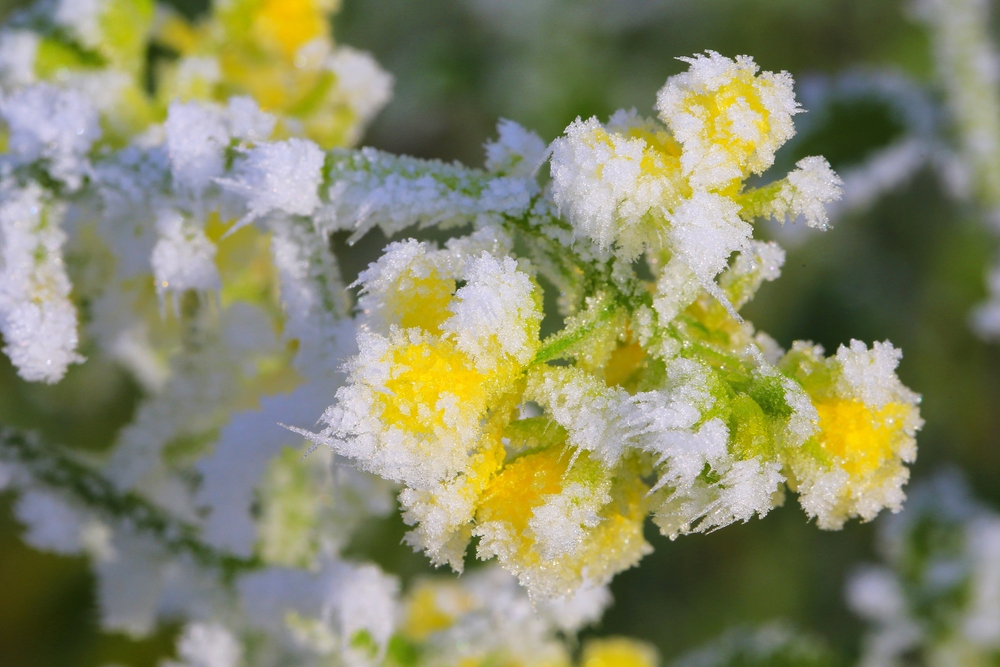
Frosted leaves and icicles have their own natural beauty, and garden lights can make them gleam like crystal. Position lights to skim across ice-covered branches or frosted flower heads, emphasizing texture and sparkle. Reflective surfaces can bounce extra light onto icy areas, multiplying the shimmering effect. Even a small garden pond or frozen fountain becomes a glittering centerpiece with the right illumination. Winter magic is all about accentuating what nature has already created.
7. Use Mirrors to Double the Effect
Mirrors aren’t just for indoors—they can create magical illusions outdoors too. Place a mirror behind a plant bed or near a reflective sculpture to “duplicate” your garden lights. This trick visually expands your space and adds an unexpected layer of interest. Position the mirror at angles to catch multiple lights for a kaleidoscope effect. It’s a simple yet powerful way to make even a small winter garden feel grand.
8. Mix Warm and Cool Light
Combining warm and cool lights adds visual intrigue and prevents your garden from feeling flat. Warm lights highlight reds, oranges, and yellows, while cool lights bring out blues, purples, and silvers. This technique is especially effective on winter foliage, berries, or ornamental grasses. Placing these lights near reflective surfaces intensifies the color contrast and sparkle. The result is a garden that feels alive and layered, even in the coldest months.
9. Illuminate Containers and Raised Beds
Containers and raised beds are perfect for showcasing winter plants and can serve as mini spotlight zones. Position lights to wash over the sides of planters, highlighting plants from multiple angles. Reflective surfaces like polished stones, metallic pots, or mirrored trays increase brightness and add interest. You can even rotate or move smaller containers seasonally for dynamic displays. This approach makes every corner of your garden a potential showstopper.
Light Up Your Winter Garden
Winter doesn’t have to be a time of dull colors and bare landscapes. With a little creativity, some well-placed lights, and reflective surfaces, even the most subdued plants can pop with brilliance. Experiment with angles, colors, and surfaces to see what makes your garden sparkle the most.
We’d love to hear your thoughts, ideas, or experiences with winter garden lighting in the comments section below. Your winter garden story could inspire the next glowing masterpiece.
You May Also Like…
12 Garden Lighting Ideas to Make Your Yard Shine Over the Holidays
How Garden Lighting Changes Everything in the Winter Landscape
8 Winter Garden Paving & Path Ideas for Snowy Landscapes
How to Repurpose Leftover Holiday Lights for Garden Use
Are Your Garden Containers Rated for Frost or Will They Crack?

Brandon Marcus is a staff writer for FrugalGardening.com at District Media, Inc., where he delivers practical gardening advice with a relatable, no-nonsense style. An avid amateur gardener, he holds a BA degree and with over ten years of professional writing experience, he is also an award-winning published author whose first book, Questions For Deep Thinkers, was released by Adams Media. His work has appeared in major publications including Fandom.com, CHUD.com, TheColdWire.com, and Fansided.com.
Leave a Reply