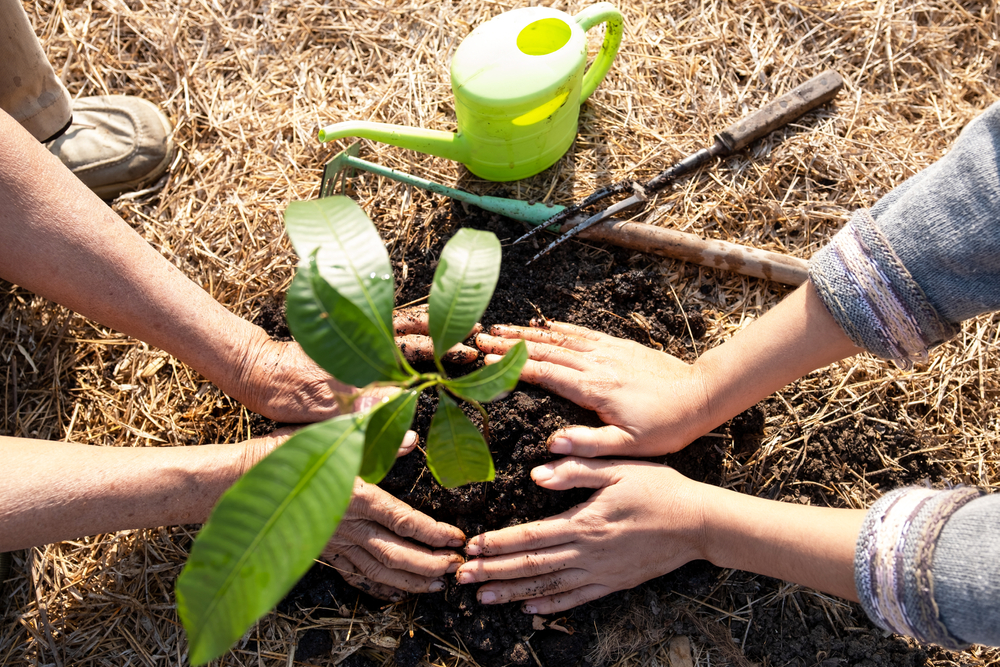
The garden isn’t always the peaceful paradise you imagine. Sometimes, your favorite plants suddenly wilt when placed side by side, while others thrive together like old friends. The truth is, plants have their own secret dramas happening beneath the soil, in the air, and even through invisible chemical signals. Some plants simply refuse to coexist, waging silent battles that gardeners can barely see but can certainly feel.
Understanding why plants clash can transform your backyard into a harmonious jungle—or at least save your tomatoes from the wrath of jealous carrots.
Allelopathy: Plants That Fight With Chemicals
Allelopathy sounds like a word straight out of a fantasy novel, and in a way, it is. Certain plants release chemicals into the soil that stunt the growth of their neighbors, creating invisible barriers in your garden. Black walnut trees, for instance, secrete juglone, a toxin deadly to many common vegetables and flowers. This chemical warfare isn’t random; it’s a strategic survival tactic that helps dominant plants claim space and resources. Gardeners who ignore allelopathy can end up with mysteriously failing plants despite perfect sunlight and watering.
Competition For Nutrients And Space
Even plants that aren’t chemically aggressive still fight fiercely for soil nutrients, water, and sunlight. Roots can intertwine in a struggle for access, leaving some plants starving and others flourishing. Fast-growing species like sunflowers often overshadow slower-growing neighbors, blocking the light they need to photosynthesize. Crowding plants too closely amplifies this competition, sometimes causing the weaker species to fade away entirely. Observing how plants arrange themselves naturally can give clues about which pairs are destined to clash.
Root Exclusion Zones: Invisible Boundaries Underground
Roots aren’t just passive anchors; they create territories underground, sometimes avoiding certain neighbors entirely. Some plants detect chemical signals from nearby roots and deliberately grow away to prevent competition or harm. This fascinating behavior, called root exclusion, is a survival strategy in dense plant communities. For example, members of the cabbage family often avoid close proximity to tomatoes, which can inhibit their growth. Understanding these underground boundaries can help gardeners plan companion planting wisely and avoid costly mistakes.
Microbes And Fungal Foes
Beneath every garden lies a bustling ecosystem of fungi, bacteria, and other microbes. Some of these tiny organisms form beneficial partnerships with certain plants but act like predators to others. For instance, mycorrhizal fungi can enhance nutrient uptake for one plant while starving another nearby. Pathogens can also spread more easily when susceptible plants are neighbors, creating a natural deterrent for certain combinations. By considering microbial relationships, gardeners can encourage healthy growth and reduce plant stress.
Light And Shade Conflicts
Plants are incredibly sensitive to light, and not all sunlight-loving species appreciate sharing a patch. Tall or dense plants can cast shade that chokes out low-lying neighbors, while others thrive in dappled sunlight. Competition for light can be subtle but lethal over time, especially in tightly packed gardens or indoor pots. Some plants even alter their growth patterns to avoid shaded areas, bending and twisting to survive. Smart placement and awareness of light needs can prevent one plant from unintentionally sabotaging another.
Water Wars And Moisture Preferences
Water is life, but it’s also a battlefield in the plant world. Species with differing water requirements often struggle when placed together. Succulents may rot if planted beside thirsty vegetables, while water-loving plants can dry out if rooted near drought-tolerant neighbors. Soil type and drainage further complicate the mix, creating micro-environments that favor some plants over others. Understanding each plant’s hydration preferences is essential to prevent these silent conflicts from turning your garden into a battleground.
Pests And Attraction Dynamics
Plants can influence which pests visit your garden, sometimes to the detriment of their neighbors. Certain flowers emit scents that attract beneficial insects like pollinators, while others draw destructive pests. For instance, planting onions near carrots can repel carrot flies, but putting them next to beans might create an insect magnet. Even the colors and shapes of leaves can send signals to insects, shaping the local ecosystem in surprising ways. Strategic plant placement can therefore protect vulnerable species without using harmful chemicals.
Timing And Seasonal Growth Patterns
Not all plant conflicts are permanent—some occur simply because of mismatched growth cycles. Early-blooming plants may dominate soil nutrients, leaving late bloomers struggling. Conversely, plants that grow at different speeds might avoid direct competition but still impact each other subtly. Gardeners who understand seasonal growth patterns can plan staggered planting schedules to reduce conflict. By syncing your garden with natural rhythms, plants are more likely to thrive side by side.
Observing Natural Plant Behavior
One of the most rewarding ways to understand plant conflicts is through careful observation. Gardens are like living laboratories, offering endless lessons about cooperation, competition, and survival. Watching which plants avoid each other, which grow vigorously together, and which seem to struggle without obvious cause can guide planting decisions. Recording observations year after year can reveal patterns invisible at first glance. By tuning in to these subtle dynamics, gardeners can cultivate healthier, more harmonious spaces.
The Secret Social Lives Of Plants
Plants may not talk, but they definitely communicate—and sometimes argue. Understanding allelopathy, root boundaries, microbial relationships, and other conflicts can turn your garden from chaotic to cohesive. Every plant has its preferences, allies, and rivals, and recognizing these can dramatically improve growth outcomes. Your backyard is more than a patch of soil; it’s a miniature ecosystem with invisible rules.
Let us know your experiences and observations in the comments section below—we’d love to hear how your plants behave when forced to coexist.
You May Also Like…
Electroculture Gardening: Innovative Techniques for Enhancing Plant Growth
Does Your Garden Have the Right Soil Mix for Winter Planting?
9 Ways to Use Garden Lights & Reflective Surfaces to Make Winter Plants Pop
Do You Know Which Plants Are Secretly Poisonous in Your Backyard?
Why Shorter Days Trigger Better Root Growth

Brandon Marcus is a staff writer for FrugalGardening.com at District Media, Inc., where he delivers practical gardening advice with a relatable, no-nonsense style. An avid amateur gardener, he holds a BA degree and with over ten years of professional writing experience, he is also an award-winning published author whose first book, Questions For Deep Thinkers, was released by Adams Media. His work has appeared in major publications including Fandom.com, CHUD.com, TheColdWire.com, and Fansided.com.
Leave a Reply