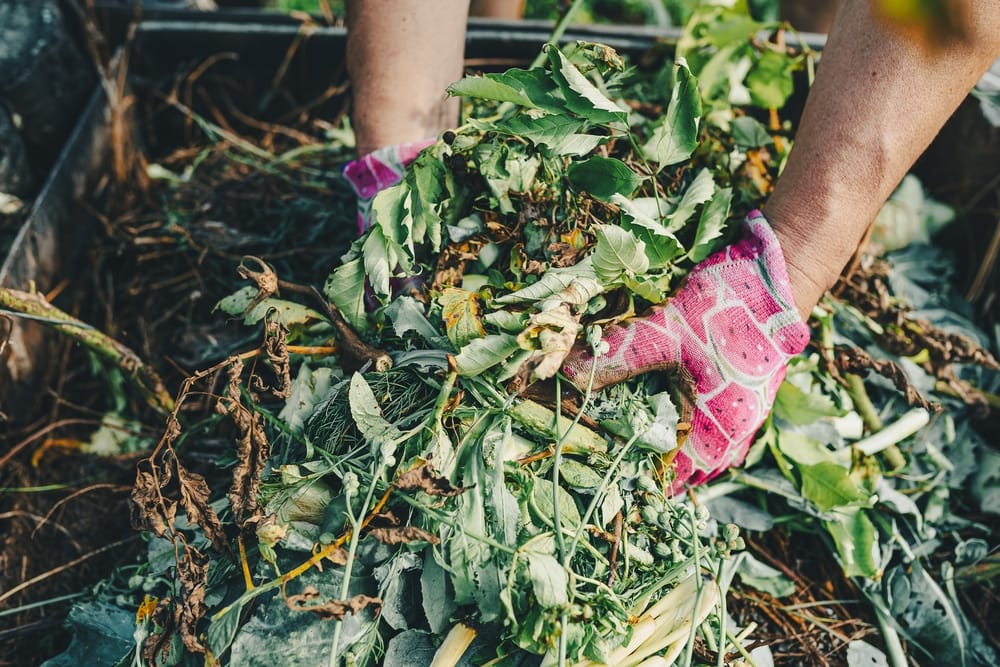
There’s something oddly thrilling about checking your compost pile like it’s a bubbling cauldron of earth magic—steam rising, microbes partying, the whole thing transforming like a science experiment you didn’t even need goggles for. But then autumn rolls in, the days shrink, the air chills, and suddenly your compost seems to lose its spark. The slowdown feels dramatic, like your once-fiery pile decided to take an early winter vacation.
If you’ve ever wondered why your compost’s temperature drops when the daylight hours do, you’re not alone—it’s one of the great seasonal mysteries of backyard gardening.
Less Sun, Less Heat: The Energy Drop
Shorter days mean your compost pile gets fewer hours of direct sunlight, which drastically limits the natural warming effect the sun provides. Without that steady solar boost, your pile has to rely almost entirely on microbial activity to maintain internal heat levels. As temperatures fall, those microbes slow down, acting more like sleepy workers than energetic breakdown machines. This combination of cooling air and limited sunlight keeps the pile from reaching the steamy temperatures you see in summer. In turn, decomposition takes longer and the pile struggles to maintain its usual momentum.
Cooler Nights Reset The Pile
Even if your compost gets a few hours of decent sunshine during the day, shorter days also bring longer, colder nights that sap out the heat you’ve built up. When temperatures plummet after sunset, the warmth inside the pile escapes faster than microbes can generate it. This nightly “reset” prevents the pile from hitting and maintaining the optimal internal temperatures needed for fast decomposition. Microbes thrive between certain temperature ranges, and these cold nights shove them right out of their comfort zone. By the time morning arrives, your compost has to start the warming process all over again, making each day’s progress smaller than the last.
Microbial Activity Slows Down Naturally
Compost microbes are tiny powerhouses, but they’re sensitive to environmental conditions—especially temperature. During warm, long summer days, they work so fast they practically sprint through food scraps. When daylight decreases and temperatures drop, their metabolic speed plummets like a runner hitting quicksand. With less energy and slower reproduction rates, they simply can’t heat the pile as effectively. The microbes don’t disappear—they just shift into a slower, more conservative mode that affects the entire system.
Moisture Levels Get Complicated
Shorter days often come with increased moisture, whether it’s rainfall, morning dew, or early frost, all of which alter the compost’s internal balance. A wetter pile cools faster and becomes harder to aerate, which further slows the heating process. When oxygen levels decrease due to compaction or excess moisture, the microbes responsible for generating heat struggle to survive. Too little airflow means too little heat production, making it even harder for the pile to build momentum. It becomes a tricky balance—and shorter days only magnify the challenge.
Carbon-to-Nitrogen Ratios Drift Out Of Balance
As seasons change, the ingredients going into your compost shift too—suddenly you’re dealing with loads of dried leaves and far fewer green, nitrogen-rich kitchen scraps. This influx of carbon-heavy materials slows microbial digestion and reduces heat output. Without enough nitrogen to fuel those microbes, your compost pile becomes sluggish and cool. If the ratio drifts too far toward carbon, the microbes go from active to passive, taking much longer to break things down. Shorter days don’t directly affect the ratio, but seasonal habits often do, making it a hidden contributor to cooling compost.
Less Turning And More Neglect
Let’s be honest: when the daylight disappears earlier, people tend to spend less time outside fussing with their compost. That means the pile gets fewer turns, less aeration, and far fewer checkups than it did during the sunny months. Turning is essential for oxygen flow, and without it, heat drops significantly. The combination of cooler weather and decreased maintenance creates a perfect recipe for slower heating. It’s not entirely the season’s fault—sometimes it’s just that we’re too cozy indoors to give the compost a proper stir.
Plant Material Breaks Down Differently In Cold Weather
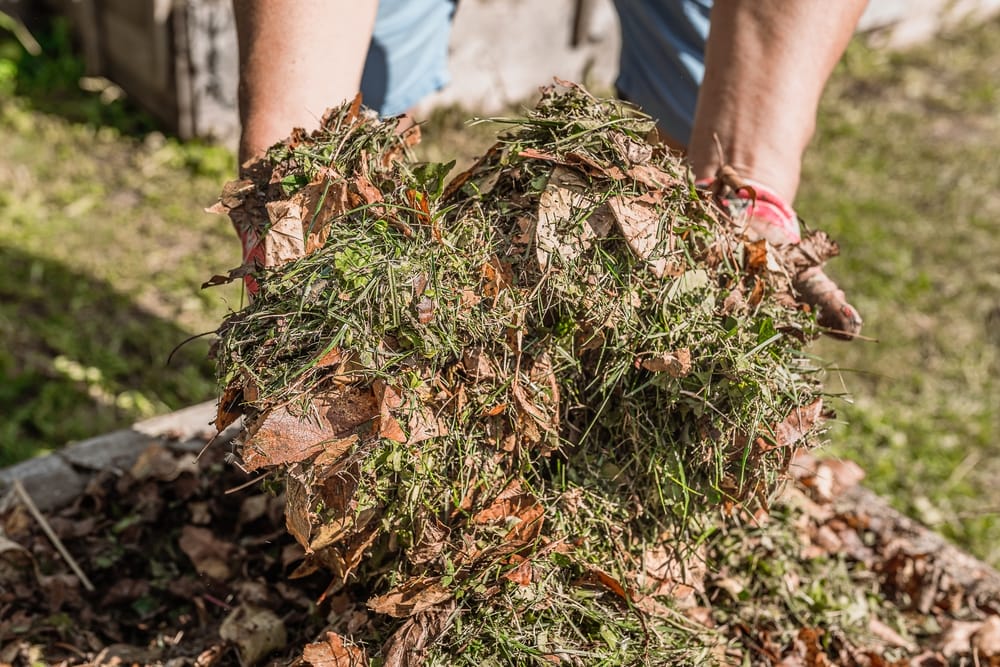
The composition of your compost pile changes with the season, especially when autumn leaves, woody stems, and tougher plant materials become dominant. These items naturally decompose more slowly, and colder temperatures amplify that delay. Microbes need substantial energy to break down dense plant tissues, and when the days shorten, that energy becomes harder to generate. As a result, the pile struggles to reach the intense heat levels needed to break down thick materials. This creates a cycle where slow breakdown leads to lower heat, which leads to even slower breakdown.
Wind And Air Movement Strip Away Heat
Shorter days often bring windier conditions, and wind is fantastic at one thing: stealing heat. Even if your compost manages to build warmth internally, strong breezes carry it away as soon as the heat reaches the outer layers. A warm summer pile might withstand this, but in cooler seasons, it doesn’t have enough energy to fight back. This external cooling effect forces microbes to work twice as hard just to maintain a baseline temperature. Unfortunately, with limited daylight and cooler surroundings, they rarely keep up.
Shaded Areas Become Much Colder
Many compost piles sit in locations that receive partial shade—fine in summer, but greatly limiting in fall and winter. As the sun sits lower in the sky, previously sunny spots become shadowy much earlier in the day. Even a few hours of lost sunlight can make a big difference in maintaining internal compost heat. Without that natural warmth, decomposition slows and internal temperatures drop quickly. This shift shows why even well-managed piles struggle during months with shorter and lower sunlight exposure.
The Pile’s Core Can’t Stay Hot Enough
During long summer days, the compost’s core acts like an insulated oven, trapping heat and allowing microbes to thrive for extended periods. When daylight shrinks, that oven cools faster and reheats more slowly, never reaching its previous peak. The microbial population inside the core suffers the most as the temperature swings more drastically. A cooler core means less biological activity, which results in an overall slower composting process. Once the core fails to maintain heat, the entire pile wears the slowdown like a heavy winter coat.
Share Your Composting Lessons Below
Shorter days bring a perfect storm of cooler temperatures, slower microbes, moisture shifts, ingredient changes, and less human involvement—all of which work together to cool your compost. Understanding why the process slows can help you adjust your methods, better support your microbial workforce, and keep your pile as active as possible through the darker months. Composting is a year-round adventure, and every season teaches something new about how nature transforms waste into nourishment.
Have you noticed your compost cooling off as the days get shorter? Share your stories, experiments, and tips in the comments below.
You May Also Like…
Why Compost Should Be Covered Before Snow
7 Composting Tricks That Only Work in Autumn
Why Raised Beds Hold Heat Longer in Fall
How to Grow Basil That Doesn’t Bolt in the Heat
Use These 8 Winter Composting Tips for Gardeners

Brandon Marcus is a staff writer for FrugalGardening.com at District Media, Inc., where he delivers practical gardening advice with a relatable, no-nonsense style. An avid amateur gardener, he holds a BA degree and with over ten years of professional writing experience, he is also an award-winning published author whose first book, Questions For Deep Thinkers, was released by Adams Media. His work has appeared in major publications including Fandom.com, CHUD.com, TheColdWire.com, and Fansided.com.
Leave a Reply