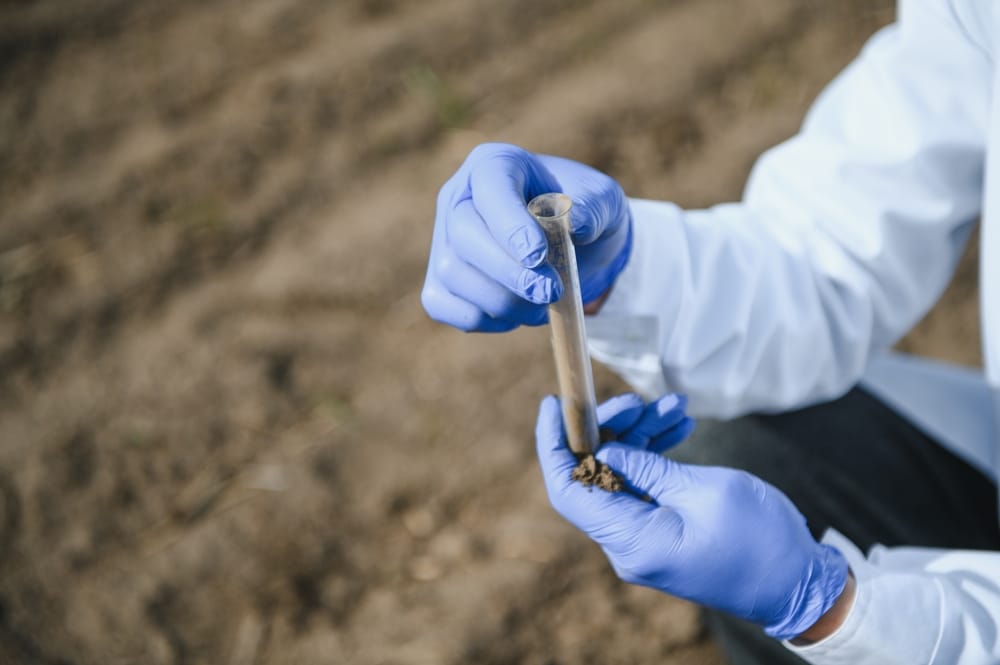
As the leaves turn gold and the air starts carrying that crisp autumn scent, gardeners everywhere start thinking about how to prep their soil for the months ahead. Fall isn’t just a time for pumpkin spice lattes—it’s one of the best times to understand what’s happening underground. After the heat of summer, the soil has shifted, nutrients may have depleted, and preparing for spring starts with knowing exactly what your dirt needs.
Soil testing in the fall gives you insights that can make your garden thrive when the growing season rolls back around. Let’s dig into seven soil tests that give the most reliable, actionable results this time of year.
1. Soil Ph Test To Know Your Soil’s Acidity
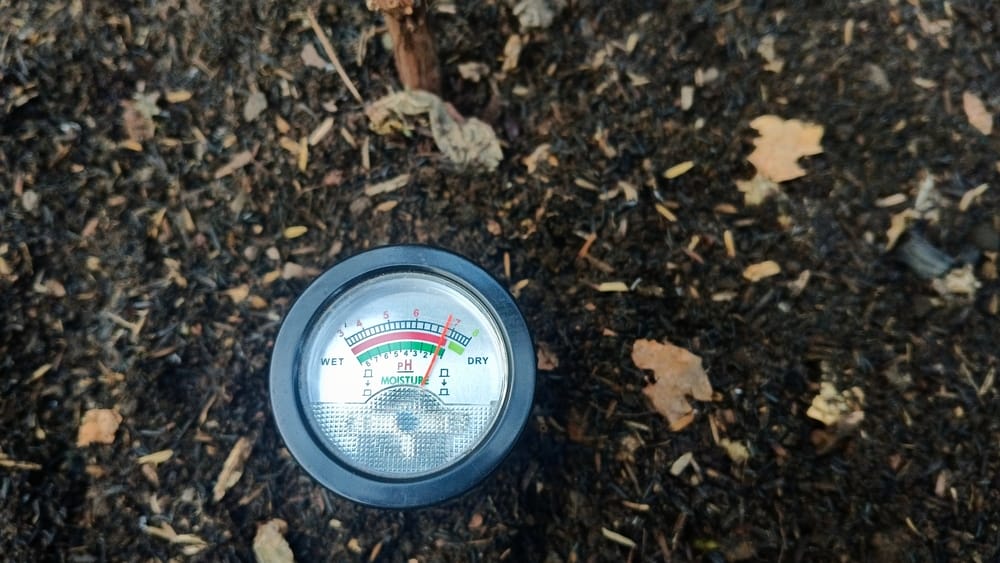
Soil pH is one of the most important factors for plant health, and testing it in the fall is especially effective. This test measures how acidic or alkaline your soil is, which affects nutrient availability for your plants. By identifying pH issues now, you have time to correct them before spring planting. Lime or sulfur can be added to raise or lower pH, and these amendments need time to work, making fall the perfect season to apply them. Testing pH in cooler months also tends to give more stable readings than the fluctuating levels of summer.
2. Nitrogen Test To Track Essential Nutrients
Nitrogen is a nutrient plants need for lush, green growth, but it’s also one of the first to leach away after hot summer rains. A nitrogen test in the fall helps you see if your soil will need extra attention before spring. It’s also a great time to add compost or organic matter that releases nitrogen slowly over the winter. By knowing your soil’s nitrogen levels now, you can avoid overfertilizing or underfeeding your future crops. This test is simple, fast, and incredibly useful for any garden that relies on leafy greens or heavy feeders.
3. Phosphorus Test To Boost Root Growth
Phosphorus is critical for strong root systems and early flower development, and fall is an ideal time to test for it. Cooler weather and slower plant growth don’t stop roots from absorbing nutrients, making autumn readings very accurate. If phosphorus levels are low, adding bone meal or rock phosphate now gives the soil time to integrate before spring. This helps plants develop strong foundations and improves long-term garden productivity. Testing for phosphorus also prevents unnecessary fertilization, saving both money and soil health.
4. Potassium Test To Strengthen Plants
Potassium is the unsung hero of plant health, responsible for water regulation, disease resistance, and overall resilience. A potassium test in fall can identify deficiencies before the next growing season starts. Adding potassium-rich amendments like wood ash or kelp meal now gives the soil time to absorb and balance itself. Strong potassium levels in winter-prepped soil mean plants will be better equipped to survive stressors like pests or weather changes. It’s a small test that yields huge benefits when spring rolls around.
5. Organic Matter Test To Enhance Soil Structure
The amount of organic matter in your soil directly affects its texture, nutrient retention, and moisture-holding capacity. Fall is the perfect season to evaluate organic matter because you can add compost, leaves, or mulch before winter sets in. A good organic matter test can tell you if your soil is sandy, clay-heavy, or just right for amendment planning. Improving soil structure in autumn prevents problems like erosion or compaction during rainy months. This test ensures that when spring planting arrives, your soil is fluffy, fertile, and ready to support vigorous growth.
6. Microbial Activity Test To Support Healthy Ecosystems
Soil isn’t just dirt—it’s a living ecosystem full of bacteria, fungi, and other microorganisms that help plants thrive. Testing microbial activity in fall gives you a snapshot of soil life and its ability to break down nutrients over the winter. If microbial activity is low, adding compost, mulch, or organic amendments can jumpstart it before spring. Healthy microbes improve nutrient cycling, increase plant resilience, and reduce the need for chemical fertilizers. This test is an essential tool for gardeners looking to build soil that feeds itself naturally.
7. Heavy Metal Test To Protect Plants And People
While not every garden faces contamination, testing for heavy metals in soil is crucial for food gardens, especially in urban or previously industrial areas. Fall testing gives you time to take corrective measures, like adding clean topsoil or growing in raised beds. Knowing if lead, cadmium, or other harmful metals are present ensures your produce is safe to eat. It also allows for soil remediation strategies before seeds hit the ground. This test may seem extreme, but for safety and long-term garden health, it’s one of the most responsible moves a gardener can make.
Prepare Your Soil And Prepare Your Garden
Fall is more than just a season of colorful leaves—it’s a season of preparation, reflection, and planning for the gardening year ahead. By performing these seven soil tests, you gain insight, control, and confidence in your soil’s ability to support healthy, vibrant plants. Each test provides actionable results that give your garden the best chance to flourish come spring. Whether it’s adjusting pH, supplementing nutrients, or boosting microbial activity, these steps make your soil smarter, stronger, and more productive.
Have you tried any of these soil tests this fall? Share your experiences, tips, or questions in the comments section below.
You May Also Like…
Why Winter Cover Crops Boost Soil Health
How Groundcovers Protect Soil Through Autumn
Why Soil Testing in Fall Saves Money in Spring
Why Plant Dormancy Is Triggered in Autumn
11 Seed Starting Supplies to Buy in Autumn Sales

Brandon Marcus is a staff writer for FrugalGardening.com at District Media, Inc., where he delivers practical gardening advice with a relatable, no-nonsense style. An avid amateur gardener, he holds a BA degree and with over ten years of professional writing experience, he is also an award-winning published author whose first book, Questions For Deep Thinkers, was released by Adams Media. His work has appeared in major publications including Fandom.com, CHUD.com, TheColdWire.com, and Fansided.com.
Leave a Reply