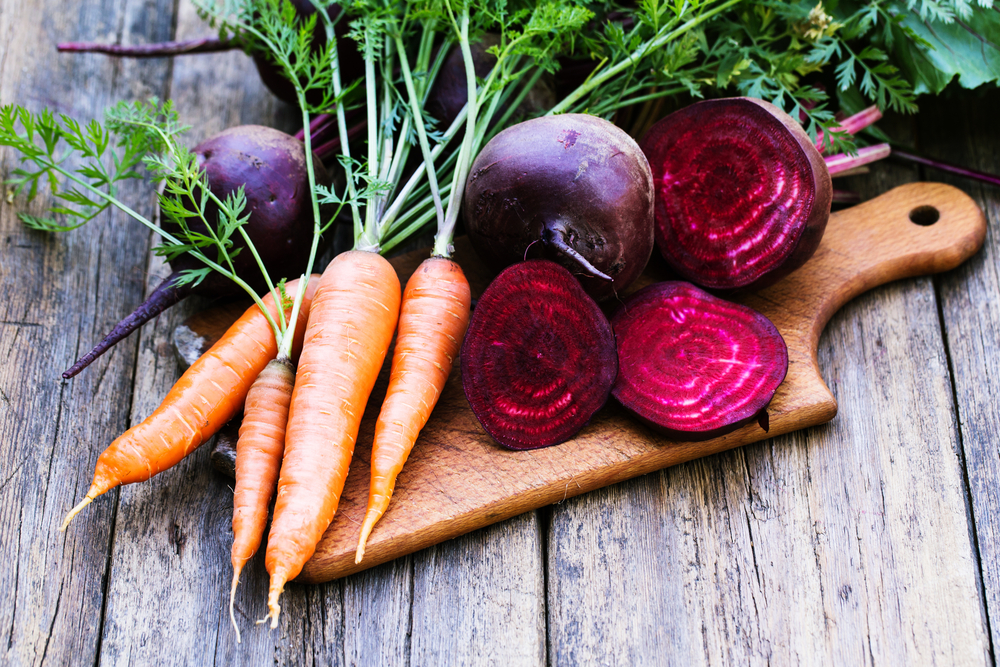
You know that feeling when you open the pantry, reach for a humble root vegetable, and realize it has shriveled into something that looks like it survived a desert apocalypse? It’s heartbreaking, mildly horrifying, and entirely avoidable. Gardeners and old-school homesteaders have known a secret for centuries: sawdust is basically a spa day for root vegetables. It cushions them, insulates them, and keeps them from drying out or rotting long before you’re ready to use them.
If you want your harvest—or your farmers market haul—to last far longer than the average shelf life, storing certain roots in sawdust is the trick you’ll wish you tried sooner.
1. Carrots Thrive In Sawdust
Carrots lose moisture at an alarming rate when left exposed to air, which is why they turn floppy faster than you expect. Sawdust slows that process by creating a cool, breathable environment that keeps moisture levels steady. Even freshly pulled carrots stay crisp for months when packed carefully in a layer of fine, dry sawdust. Just make sure you remove the leafy tops, which pull hydration right out of the root. Your soups, stews, and snacks will thank you for the extra crunch.
2. Parsnips Stay Sweet And Firm
Parsnips keep far better when they’re shielded from temperature swings, and sawdust offers a perfect buffer. When stored this way, these winter workhorses maintain their sweetness instead of turning woody or bitter. The sawdust prevents them from drying out while also reducing the risk of mold. It’s almost shocking how long they last when tucked away properly. You might even forget they’re in storage until you pull them out months later and find them in excellent condition.
3. Beets Maintain Their Earthy Goodness
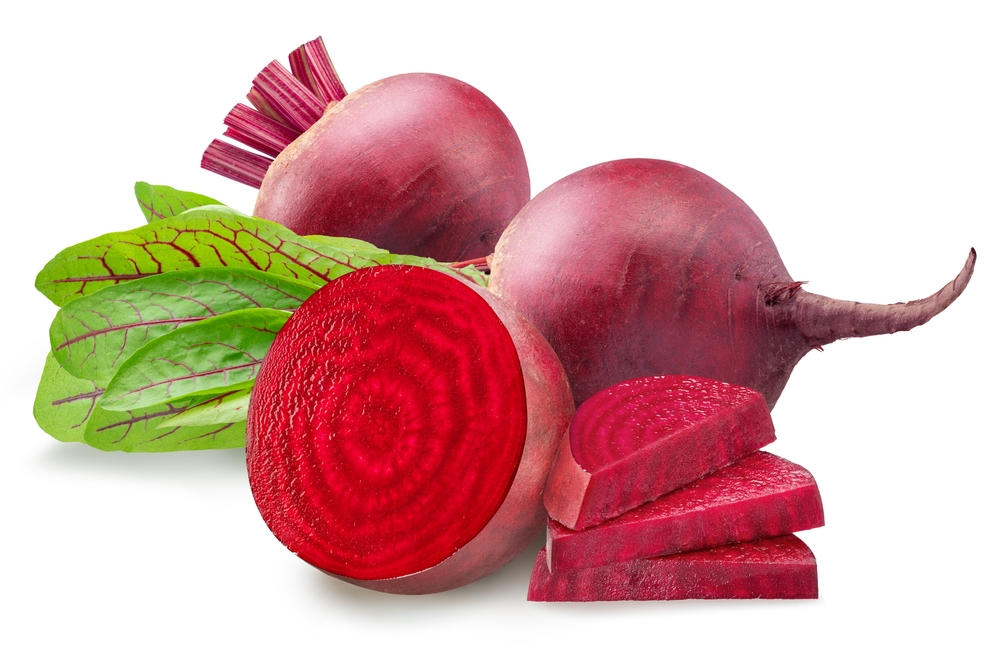
Beets are sturdy vegetables, but even they get soft and sad without proper storage. Sawdust helps regulate humidity, which keeps beets firm and full of flavor longer. The method works especially well for anyone storing large quantities through winter. Instead of relying on refrigeration, a simple wooden box and some sawdust can keep them fresh for what feels like forever. It’s rustic, effective, and perfect for beet lovers who hate waste.
4. Turnips Stay Crisp And Reliable
Turnips are famous for lasting well, but even they benefit from a little extra protection. Storing them in sawdust helps maintain their crispness, especially if you’re keeping them in a cool basement, shed, or pantry. The sawdust absorbs excess moisture, which prevents rot from sneaking in. Many gardeners say their turnips last twice as long using this technique. It’s an easy way to guarantee you always have one ready for roasting or soup-making.
5. Rutabagas Handle Winter Storage With Ease
If any vegetable was born for sawdust, it’s the rutabaga. Dense, hearty, and packed with moisture, rutabagas stay in top condition when cushioned with a thick layer of sawdust. The insulation helps block the chill in winter storage areas, preventing freeze damage. They also avoid sprouting, which is a common problem when they’re stored in the open. This method keeps them tasting fresh long after their harvest date.
6. Celery Root (Celeriac) Holds Its Texture
Celeriac may not win any beauty contests, but it absolutely deserves a spot in your root-storage lineup. It tends to dry out quickly, so sawdust gives it the breathable insulation it needs to maintain that dense, flavorful interior. The method keeps the exterior from cracking or becoming rubbery. Celeriac stored in sawdust can last well into the colder months without losing texture. It’s one of the best ways to extend the life of this underrated ingredient.
7. Radishes Stay Plump And Refreshing
Radishes might seem delicate, but they age surprisingly well when buried in sawdust. This prevents them from going soft or shriveling, which happens quickly when they’re exposed to air. Even larger radish varieties—like daikon—benefit significantly from this storage method. Keeping them in a cool spot surrounded by sawdust preserves their bite and juiciness. It’s a trick that turns your radish supply into a long-term pantry staple.
8. Jerusalem Artichokes Keep Their Crunch
Jerusalem artichokes, also known as sunchokes, are notorious for spoiling faster than expected. Sawdust storage changes are completely different, as they block excess moisture and prevent mold. These knobby tubers keep their crisp, nutty flavor much longer when stored this way. Gardeners swear by the method because it extends their usability well past harvest season. Instead of shrinking or softening, they stay firm and ready for roasting or sautéing.
9. Horseradish Roots Stay Potent For Months
Horseradish roots are known for their spicy kick, but they lose potency quickly if they dry out. Sawdust locks in the right amount of moisture without making them soggy. This keeps the roots firm, fiery, and easy to grate whenever you need a burst of flavor. Properly stored horseradish can last through an entire season without losing its punch. It’s a simple step with a big payoff for anyone who loves bold, homemade condiments.
Give Your Root Vegetables The Treatment They Deserve
Storing root vegetables in sawdust isn’t just a quirky old-fashioned trick—it’s one of the smartest ways to preserve freshness, flavor, and texture. Whether you’re a gardener with a winter harvest or a home cook who wants ingredients to last longer, this method is both simple and incredibly effective. Try it once, and you’ll be amazed at the difference it makes in your produce.
Have you ever used sawdust storage, or are you curious to try it for the first time? Share your experiences, questions, or storage secrets with other readers below.
You May Also Like…
- 9 Root Vegetables to Store in Sand This Winter
- Bare-Root Planting: The November Gardening Move No One Talks About
- 8 Root Vegetables That Sweeten After Frost
- 11 Mulching Mistakes That Can Suffocate Roots
- 9 Vegetables You Should Still Plant in October

Brandon Marcus is a staff writer for FrugalGardening.com at District Media, Inc., where he delivers practical gardening advice with a relatable, no-nonsense style. An avid amateur gardener, he holds a BA degree and with over ten years of professional writing experience, he is also an award-winning published author whose first book, Questions For Deep Thinkers, was released by Adams Media. His work has appeared in major publications including Fandom.com, CHUD.com, TheColdWire.com, and Fansided.com.
Leave a Reply