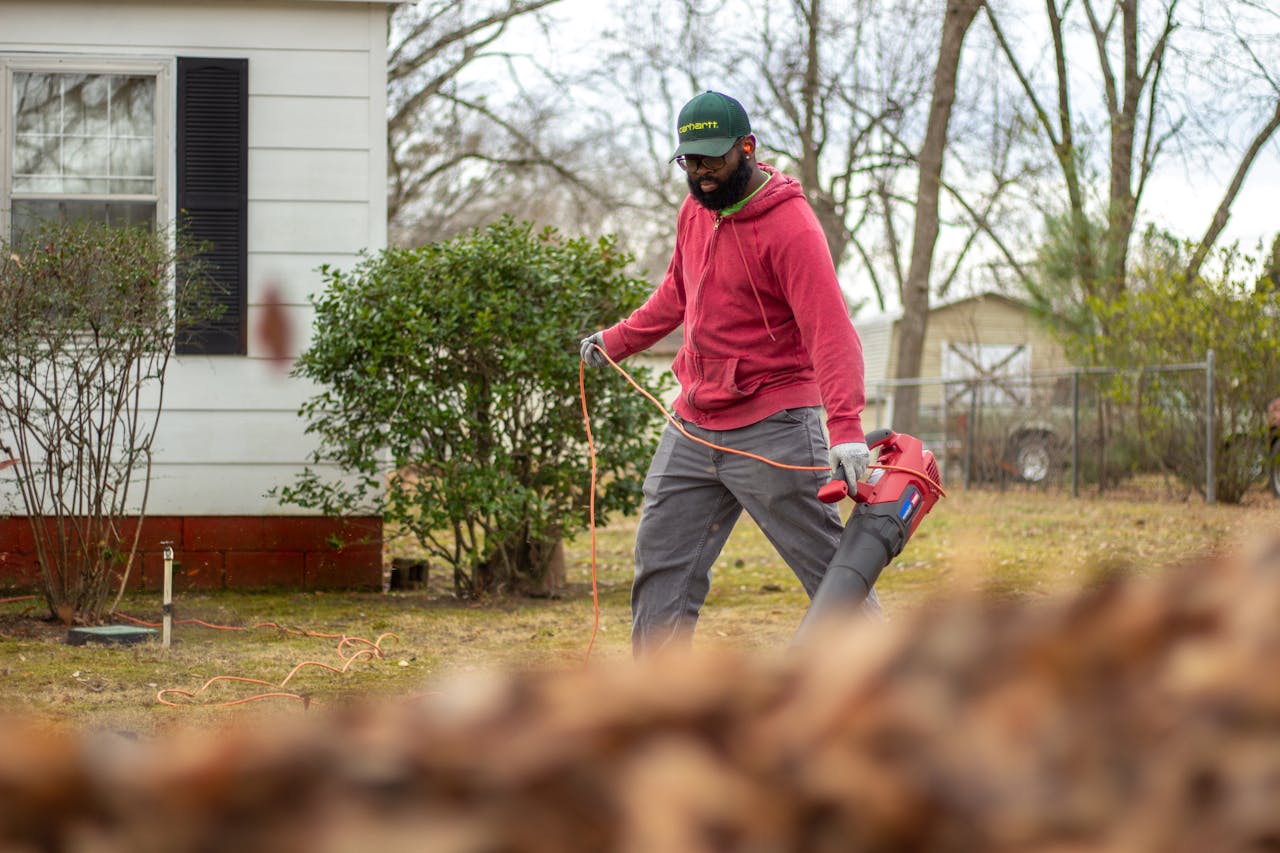
Did you know that some garden tools are illegal? While gardening is a relaxing, productive hobby, not all tools in your shed are welcome everywhere. In some cities, certain garden tools are restricted or outright banned due to environmental, noise, or safety concerns. You might be surprised to find that the tools you’ve used for years could come with fines or penalties in your area. Here are eight garden tools that might be illegal where you live.
1. Gas-Powered Leaf Blowers
Many cities have banned or restricted gas-powered leaf blowers due to their noise and air pollution. They’re known to produce high levels of emissions and can exceed safe decibel levels, especially in residential neighborhoods. Some towns have even noted health concerns. Instead, opt for a battery-powered or electric leaf blower.
2. Certain Pesticide Sprayers
Backpack or handheld pesticide sprayers using restricted chemicals may be prohibited in areas with strict environmental or water protection laws. There is evidence that some chemicals, like chlorpyrifos, can cause neurological damage in children. It was banned for food uses by the EPA for this reason. Some cities also limit pesticide use near schools, parks, or waterways.
3. Chainsaws Over a Certain Decibel Level
In densely populated areas, high-powered gas chainsaws may be banned or restricted to reduce noise pollution. Electric or battery-powered alternatives are usually permitted. Make sure to look at local restrictions before powering up your chainsaw. You may get a fine if you don’t abide by local laws and ordinances.
4. Rototillers
Some heavy-duty rototillers can damage soil structure or cause erosion. In certain eco-conscious cities, they’re regulated, especially in community gardens or public planting areas. Plus, if they are gas-powered, they also may be banned, like leaf blowers.
5. High-Pressure Power Washers
While not technically a garden tool, many gardeners use power washers to clean patios and decks. However, high-pressure models may be banned during droughts or in areas with strict water conservation laws. There may be exceptions for health, safety, or essential business operations. Check with your municipality if you are unsure of restrictions.
6. Certain Fertilizer Spreaders
Fertilizer tools that dispense chemical-based products may be banned or limited in eco-sensitive zones. Some areas only allow organic fertilizers or have seasonal restrictions to prevent runoff into storm drains. For example, many Florida counties ban fertilizers to protect waterways from nutrient pollution during the rainy season
7. Outdoor Incinerators and Burn Barrels
Burning yard waste may seem like a quick cleanup method, but in many cities, it’s illegal. Outdoor incinerators and burn barrels are often banned due to fire risk and air quality concerns. Depending on what you burn, there may also be health risks. For example, burning plastics and treated wood can release toxic chemicals.
8. Barbed or Spiked Tools for Animal Deterrence
Tools like spike strips, barbed wire, or spiked garden mats meant to deter animals or intruders can be considered unsafe and illegal, especially if placed near public walkways or shared spaces. These tools can pose serious injury risks to pets, children, and even utility workers. Some cities have specific ordinances banning anything that could be considered a hazard in shared environments. Violators may face fines or be ordered to remove the items immediately.
Understanding Illegal Gardening Tools
Laws about garden tools vary widely from one city to another. Before investing in new equipment or breaking out the power tools, check your local ordinances. A little research can help you avoid fines and keep your garden both legal and eco-friendly.
Read More
How To Get Free Seeds From The Government
Growing Food? These 7 Companion Plant Combos Can Double Your Yield

Teri Monroe started her career in communications working for local government and nonprofits. Today, she is a freelance finance and lifestyle writer and small business owner. In her spare time, she loves golfing with her husband, taking her dog Milo on long walks, and playing pickleball with friends.
Leave a Reply