There’s a special kind of chaos that arrives in late fall—the holiday prep, the colder mornings, the frantic search for gloves you definitely owned last year. But lurking beneath all of that seasonal buzz is something far sneakier, something far more persistent, and something that absolutely thrives when everything else in your yard is slowing down.
While you’re busy thinking about turkeys, travel plans, and early Black Friday deals, this weed is quietly settling in like an uninvited guest who knows you’re too distracted to kick them out. And by the time spring returns, it can turn your lawn or garden into a battlefield you never signed up for.
That weed is chickweed, the deceptively cute, fast-spreading plant that treats November like its personal runway show. And if you ignore it now, you might be dealing with a full-blown invasion by March. Let’s talk about why this weed is such a seasonal troublemaker—and what you should actually do about it.
Why Chickweed Thrives When Everything Else Slows Down
Chickweed behaves like a botanical rebel, refusing to follow the normal plant schedule of growing in warm weather and resting when temperatures drop. Instead, it loves chilly November air, sprouting eagerly while your lawn is entering its winter nap. Because most grasses and garden plants slow their growth this time of year, chickweed has the playground all to itself. That means it spreads faster and takes root deeper before anything can push back. By the time warmer weather returns and you finally notice the takeover, it’s already built a small empire underground.
How Chickweed Sneaks Into Your Lawn Or Garden
This weed doesn’t just wander in casually—it infiltrates with strategy. Chickweed produces an abundance of seeds that can lie dormant until cooler temperatures arrive, making November their moment to shine. Those seeds can be carried by wind, shoes, pets, birds, or even gardening tools you forgot to clean. Once chickweed finds a bare patch of soil, it moves with surprising speed, covering the ground in a low, leafy mat that looks innocent but spreads relentlessly. Ignoring it in November means giving it months of freedom to establish itself without competition.
Why Chickweed Is More Than Just an Eyesore
Even if you’re not the type to panic over a few weeds, chickweed is a different story. It doesn’t just occupy space—it hogs nutrients, moisture, and sunlight from the plants you actually want to survive. Its shallow root system creates a sprawling network that blocks healthier growth, especially in vegetable gardens or freshly seeded lawns. Because it thrives in cool weather, chickweed can weaken your soil before spring has any chance to recover. This means your garden starts the year at a disadvantage, all because one little weed outsmarted your November to-do list.
The Surprising Speed of Chickweed Spreading
If chickweed were slow, you could afford to procrastinate. But this weed multiplies with an enthusiasm that feels almost personal. One small patch can transform into a dense blanket within just a few weeks, especially in moist or shaded areas. It grows both outward and upward, creating layers that are tough to pull out once they’re established. By spring, the root system can be so tangled and persistent that even experienced gardeners struggle to regain control. Staying ahead of chickweed requires action now, not later.

How To Spot Chickweed Before It Takes Over
The earlier you identify chickweed, the easier it is to manage. It typically appears as a lush, low-growing plant with small, star-shaped white flowers that bloom even in cold weather. Its leaves are smooth, oval, and arranged in pairs—giving it a deceptively delicate appearance. The plant forms mats that feel soft underfoot, which is charming until you realize it can smother entire sections of your lawn. Catching those first clusters in November is your best chance at stopping a full-scale takeover.
What To Do When You Find It
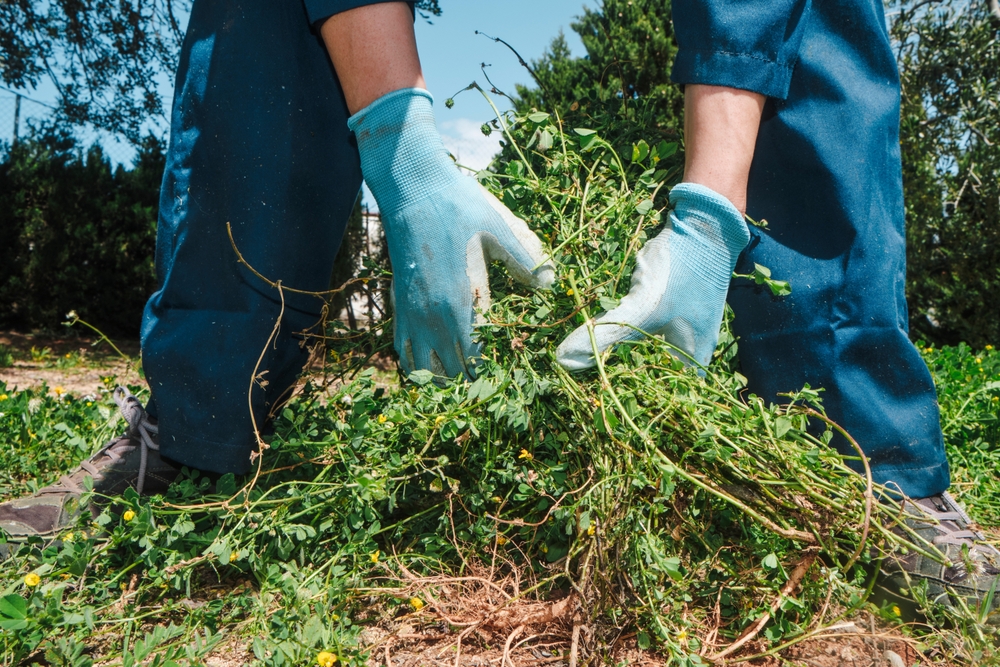
If chickweed has already popped up in your yard, don’t panic—but do act. The good news is that young chickweed pulls out easily by hand because of its shallow roots, especially when the soil is damp. Removing it before it flowers prevents thousands of new seeds from dropping and starting the cycle again. For larger patches, cultivating the soil or applying a winter-safe weed control product can help slow its spread. The key is consistency: once you start removing chickweed, keep checking every few weeks so it doesn’t return quietly.
Why Prevention Is Your Secret Weapon
Dealing with chickweed once it’s grown is helpful, but preventing it altogether is even better. Since chickweed thrives in thin or bare areas, keeping your lawn thick and healthy makes a huge difference. Mulching garden beds in November creates a barrier that stops seeds from sprouting in the first place. Proper drainage helps, too, because chickweed loves damp soil that never fully dries. When you remove its ideal conditions, chickweed loses its competitive advantage and struggles to take root.
The Long-Term Impact of Managing Chickweed Now
It might feel dramatic to single out a weed in November when so many other outdoor chores demand attention, but chickweed is one of those plants that punishes procrastination. Taking care of it today saves you from a cascade of issues in spring, from nutrient-poor soil to patchy lawn growth. The plant’s ability to survive winter makes it uniquely positioned to wreak havoc later if ignored. A few minutes of effort now prevents weeks of frustration when gardening season kicks back into gear. Eliminating chickweed early means starting the new year with a healthier, stronger landscape.
Chickweed Won’t Wait—So Don’t Either
You may not love the idea of weeding in cooler weather, but chickweed doesn’t care about your seasonal preferences. This plant is built to take advantage of November’s natural lull, and it won’t hesitate to seize any opportunity to spread. A small investment of time now saves you time, energy, and possibly money later. Once you see how quickly chickweed can multiply, you’ll understand why November is the month to tackle it. Your future self—and your future garden—will thank you.
Don’t Let This Sneaky November Invader Get Ahead Of You
Chickweed might look innocent, but it’s one of the most deceptively aggressive weeds you’ll encounter this time of year. Acting now protects your garden, your lawn, and your sanity once spring arrives. All it takes is a few smart steps in November to prevent a whole season of unnecessary frustration.
Have you dealt with chickweed before, or do you have your own November garden tip to share? Drop your stories, questions, or advice in the comments section.
You May Also Like…
- 9 Edible Weeds That Pop Up in September
- Killing Weeds with Diesel? Here’s What You Need to Know First
- Bare-Root Planting: The November Gardening Move No One Talks About
- Why Rodent Populations Spike in Autumn Gardens
- 5 Fall Weeds You Should Pull Immediately

Brandon Marcus is a staff writer for FrugalGardening.com at District Media, Inc., where he delivers practical gardening advice with a relatable, no-nonsense style. An avid amateur gardener, he holds a BA degree and with over ten years of professional writing experience, he is also an award-winning published author whose first book, Questions For Deep Thinkers, was released by Adams Media. His work has appeared in major publications including Fandom.com, CHUD.com, TheColdWire.com, and Fansided.com.
Leave a Reply