
In the quest for sustainability and eco-friendliness, gardeners are turning to natural methods to keep their backyard vegetable gardens thriving while maintaining the ecological balance. With the growing awareness of the harmful effects of synthetic pesticides, natural pest control has become a trending and vital aspect of home gardening. Here are 10 natural ways to control pests, ensuring your vegetables remain healthy and your garden flourishes.
1. Companion Planting
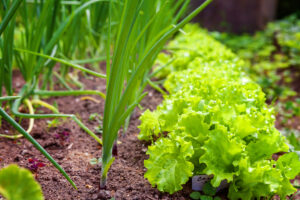
Companion planting is more than just a gardening trend; it’s a strategic approach that involves planting certain plants together to naturally repel pests. For example, marigolds emit a scent that deters nematodes and tomato hornworms, making them perfect companions for tomatoes. Similarly, basil can repel flies and mosquitoes, enhancing the growth of plants like tomatoes and peppers. This method not only maximizes space but also promotes biodiversity, leading to a healthier garden ecosystem.
2. Encouraging Beneficial Insects
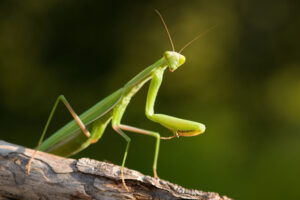
Your garden can thrive by inviting beneficial insects that prey on harmful pests. Ladybugs, lacewings, and praying mantises are natural predators of aphids, mites, and other garden pests. Planting flowers such as daisies, sunflowers, and alyssum can attract these beneficial insects, providing a natural defense mechanism against pests and reducing the need for chemical interventions.
3. Neem Oil

Extracted from the seeds of the neem tree, neem oil is a powerful, natural insecticide that disrupts the life cycle of pests without harming beneficial insects when used correctly. It’s effective against a wide range of pests, including aphids, mites, and whiteflies. Applying a diluted neem oil solution to your plants can protect them from pest infestations and fungal diseases, making it a staple in the natural gardener’s toolkit.
4. Diatomaceous Earth
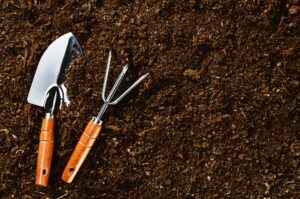
Diatomaceous earth is a non-toxic powder made from fossilized algae. When sprinkled around plants, its microscopic sharp edges deter and eventually kill crawling pests like slugs and beetles without causing harm to humans or beneficial garden inhabitants. It’s an effective, food-grade barrier against pests, but it must be reapplied after watering or rain.
5. Floating Row Covers

Floating row covers made of lightweight fabric can be draped over plants, providing a physical barrier against pests like cabbage moths and carrot flies. These covers allow light and water to reach the plants while keeping pests out, promoting a healthy growth environment. They are handy for young plants and can be removed once the plants are strong enough to withstand pests.
6. Homemade Natural Sprays
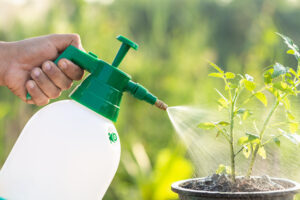
Creating your own natural pest repellents from common household ingredients can be both practical and environmentally friendly. A spray made from garlic, onion, or cayenne pepper mixed with water can deter a variety of pests. These natural concoctions can be sprayed directly onto plants to fend off pests without the risk of chemical buildup in the soil or on your vegetables.
7. Crop Rotation
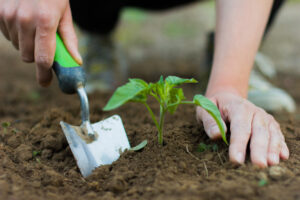
Rotating your crops annually is a simple yet effective strategy to prevent pests from becoming established in your garden. Many pests are plant-specific, so changing the location of crops each year can disrupt their life cycles and reduce their numbers. This practice also promotes soil health, reducing the likelihood of disease.
8. Hand Picking
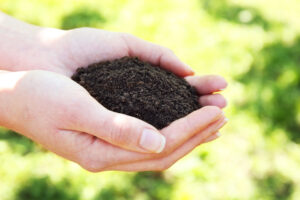
Sometimes, the simplest methods are the most effective. Regularly inspecting your plants and hand-picking off visible pests can be a straightforward way to control infestations. This method is time-consuming but ensures that beneficial insects are not harmed, maintaining the natural balance in your garden.
9. Soap Sprays
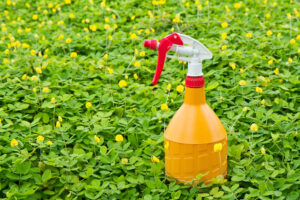
Insecticidal soaps, made from a mild soap solution, can effectively control soft-bodied pests like aphids, spider mites, and whiteflies. They work by breaking down the pests’ outer coating, leading to dehydration. These sprays are safe for the garden and can be applied directly to the pests without harming the plants.
10. Mulching
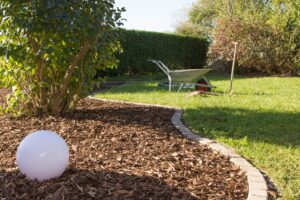
Mulching not only helps retain soil moisture and regulate temperature but also can deter certain pests. Cedar bark mulch, for example, is known for its ability to repel ants and moths. A layer of mulch can also prevent weeds, reducing competition and the hiding spots for garden pests.
You Can Control Pests the Natural Way!

Adopting natural pest control methods is not only better for the environment but also for your health and the health of your garden. By implementing these strategies, you can enjoy a bountiful harvest from your backyard vegetable garden, secure in the knowledge that you’re cultivating in harmony with nature. The transition to natural pest control is a step toward sustainable gardening practices that benefit not only our gardens but also the broader ecosystem.
Read More

Catherine is a tech-savvy writer who has focused on the personal finance space for more than eight years. She has a Bachelor’s in Information Technology and enjoys showcasing how tech can simplify everyday personal finance tasks like budgeting, spending tracking, and planning for the future. Additionally, she’s explored the ins and outs of the world of side hustles and loves to share what she’s learned along the way. When she’s not working, you can find her relaxing at home in the Pacific Northwest with her two cats or enjoying a cup of coffee at her neighborhood cafe.
Leave a Reply