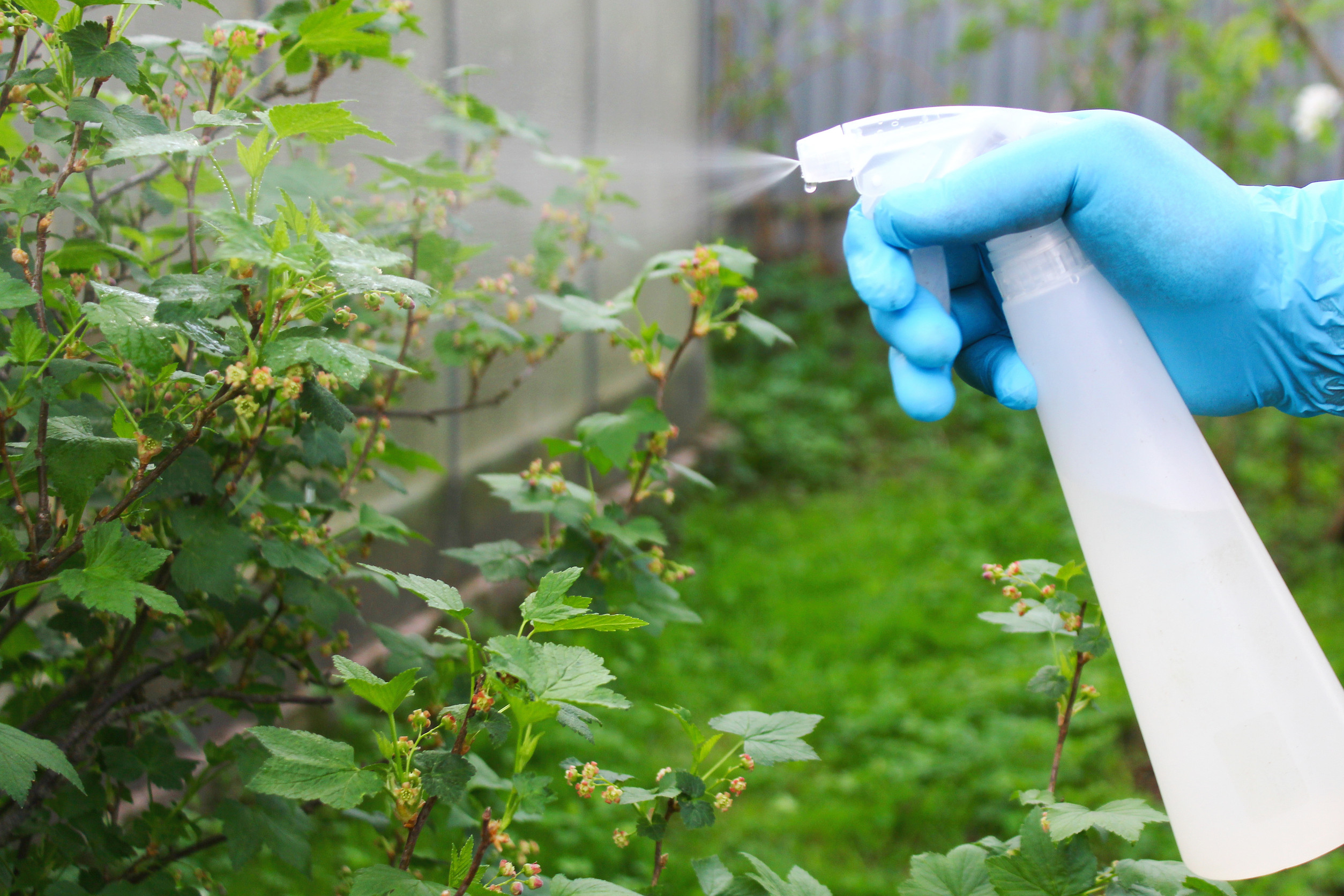
If you’re trying to save money on gardening, you may be tempted to try DIY solutions. It’s fair, since DIY culture has exploded in recent years. In seconds, you can find countless online recipes for homemade sprays promising to clean, deodorize, or protect your home and garden. While many of these mixtures sound perfectly fine, some can actually cause more harm than good. From damaging surfaces to creating health risks, certain DIY sprays may not save you money or peace of mind in the long run. Here are eight sprays you’ll want to think twice about before mixing up at home.
1. Vinegar on Stone Surfaces
Be careful before trying DIY sprays on your expensive stone surfaces. Vinegar is a go-to DIY ingredient for cleaning, but when used on natural stone surfaces like granite, marble, or limestone, it can cause etching and permanent damage. The acid in vinegar eats away at the surface, leaving dull marks. It can also weaken the stone over time. You could be creating cracks and breakage without even realizing it. Professional stone cleaners recommend pH-neutral products instead.
2. Bleach and Ammonia Mixes
Remember, you aren’t a chemist. Bleach and ammonia are powerful chemicals that can cause real harm. Some DIY cleaning recipes combine bleach and ammonia to boost disinfecting power. But experts warn this is dangerous. Mixing these ingredients creates toxic chloramine gas, which can cause respiratory distress, eye irritation, and even hospitalization. The fumes linger and contaminate indoor air. Far from helping, this combination turns your cleaning project into a health hazard.
3. Essential Oil Bug Sprays
Essential oil sprays sound nice. They smell good and are all natural. Essential oils like lavender, peppermint, or eucalyptus are often touted as solutions for mosquitoes and other bugs. The problem is that they rarely work for long and can irritate skin. Some oils are toxic to pets and unsafe for children. Plus, they are usually less effective than other chemicals. Relying on ineffective sprays can leave you unprotected against mosquitoes that carry diseases. Experts advise using EPA-approved repellents instead.
4. Baking Soda and Vinegar Weed Killers
Social media is full of “eco-friendly” weed-killer recipes that combine baking soda and vinegar. While the fizzing looks impressive, this mixture doesn’t kill weeds effectively and can harm your soil. Over time, it changes soil pH and disrupts beneficial microbes. Gardens treated this way often end up less fertile.
5. Rubbing Alcohol on Plants
Some DIY gardening sprays suggest rubbing alcohol to kill pests. While it may knock back a few insects, it also scorches leaves and damages plant tissues. Sensitive plants can wilt and die after just one application. Alcohol sprays also evaporate quickly, leaving pests to return. Professional insecticidal soaps are much safer.
6. Hydrogen Peroxide Surface Sprays
Hydrogen peroxide is marketed as a miracle disinfectant online. While it works in some cases, spraying it on surfaces like wood, fabric, or certain plastics can bleach and weaken materials. Frequent use can discolor furniture, countertops, and floors. Experts recommend using hydrogen peroxide only in controlled, diluted amounts for specific tasks. It should not be used as a catch-all spray.
7. Homemade Air Fresheners with Vodka
Some DIY air freshener recipes use vodka as a base mixed with oils or herbs. While alcohol does evaporate quickly, these sprays can leave residue, damage fabrics, and trigger headaches or allergic reactions. They often mask odors rather than eliminating them. Worse, they pose risks if ingested by kids or pets. Use safe, tested air purifiers instead.
8. DIY Sunscreen Sprays
Perhaps the most concerning DIY spray trend is homemade sunscreen made from oils and herbs. These mixtures lack the rigorous testing required to prove UV protection. Using them gives a false sense of security, increasing the risk of sunburn and long-term skin damage. Dermatologists strongly warn against replacing FDA-approved sunscreens with homemade versions. When it comes to sun protection, DIY solutions are dangerous.
Why You Should Leave Some Things to The Experts
DIY sprays often go viral because they promise quick, cheap solutions. But without expert testing, many cause damage that costs more than they save. Professionals emphasize that safety, effectiveness, and long-term health should come before convenience. In some cases, sticking with tried-and-true commercial products is the smarter and safer choice.
Have you ever tried a DIY spray that backfired? What happened? Share your story in the comments.
You May Also Like…
- The One Plant That Can Save Your Entire Garden From Aphids
- Why Your Garden Soil Might Be Too Rich
- The DIY Pest Spray That Works Better Than Store-Bought
- 6 Hidden Pest Infestations That Start in the Backyard
- 7 Innocent-Looking Plants That Are Banned in Some States

Teri Monroe started her career in communications working for local government and nonprofits. Today, she is a freelance finance and lifestyle writer and small business owner. In her spare time, she loves golfing with her husband, taking her dog Milo on long walks, and playing pickleball with friends.
Leave a Reply