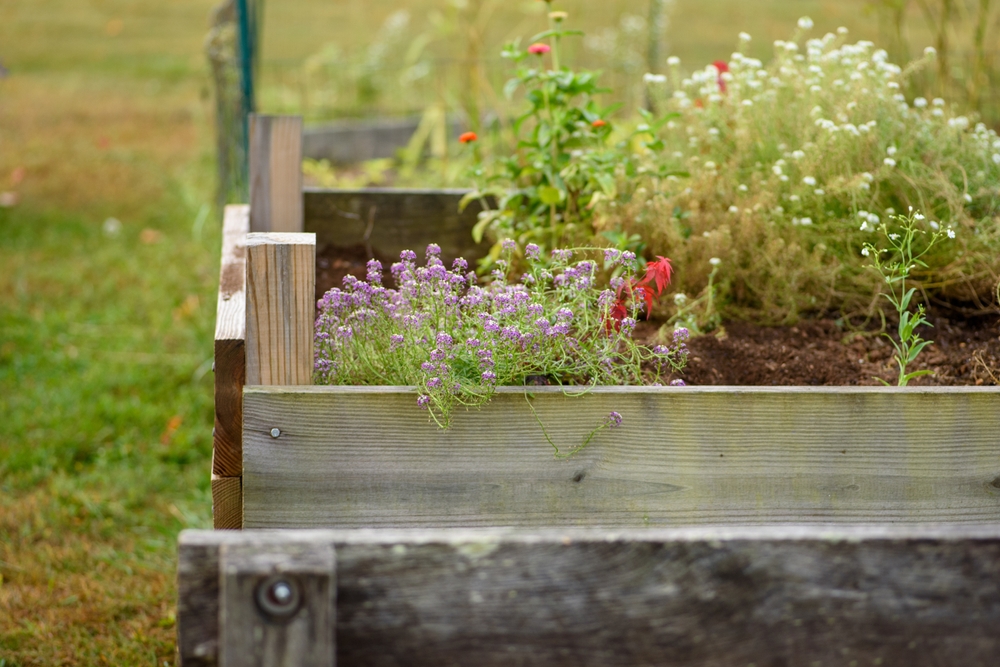
Raised beds often promise lush vegetables, faster growth, and easier maintenance. However, one overlooked habit can completely flip that expectation and leave gardeners constantly chasing dry soil instead of enjoying thriving plants. The frustrating part is that this issue does not usually come from neglect or poor watering habits. Instead, it comes from a simple step that gets skipped right at the soil surface. When moisture escapes too quickly, plants struggle to establish stable roots and every watering session feels like it disappears almost instantly.
Even experienced gardeners get caught off guard because the beds can look healthy on top while the root zone quietly dries out underneath. Once this pattern starts, it becomes harder to reverse without adjusting how the soil is protected from sun and wind.
The Everyday Raised Bed Habit That Dries Soil Too Fast
One of the most common raised bed gardening mistakes happens right after planting begins. It happens when gardeners leave the soil completely exposed instead of protecting it with a covering that regulates moisture, temperature, and airflow across the growing surface. Bare soil might look clean and manageable. But it immediately invites sun and wind to pull water out at a much faster rate. Even light breezes can strip moisture from the surface faster than roots can replace it, especially during warm afternoons.
Gardeners often try to solve the problem by watering more frequently. However, that approach creates a cycle where the top layer gets wet and then dries out again almost immediately. This repeated fluctuation stresses the soil structure and makes it harder for roots to follow moisture deeper into the bed. Over time, the soil begins to behave as if it cannot hold water at all.
What Dry Raised Beds Are Really Doing to Plants
When soil dries out too quickly in a raised bed, plant roots lose access to consistent moisture. This forces them to grow shallow and weak as they spread sideways in search of water instead of anchoring deeply. That shallow root development creates a fragile foundation that struggles to support strong growth during temperature swings or dry spells. Plants may look fine early in the season. But stress builds quietly beneath the surface where roots cannot access steady hydration. Heat waves or even a few sunny days can then push these already stressed plants into rapid decline.
This uneven moisture pattern also disrupts soil biology in ways that many gardeners do not immediately notice, especially the microbial life responsible for breaking down organic matter and feeding plants naturally. When the soil repeatedly shifts between wet and dry, those beneficial organisms lose stability and activity slows down. As a result, nutrient availability drops, even if fertilizer has been added consistently. Over time, the garden bed becomes less productive and demands more water, more inputs, and more effort just to maintain average results, which often leaves gardeners feeling like they are constantly behind.
How to Fix the Moisture Problem Without Rebuilding Everything
The simplest way to correct fast-drying raised beds starts with adding a protective mulch layer that shields the soil from direct sunlight and wind while slowing down evaporation across the entire surface. Materials like shredded leaves, straw, or finely chopped bark work especially well because they create a breathable barrier that still allows water to pass through while holding it in the soil longer. This layer also reduces temperature swings at the surface, which helps prevent the rapid drying effect that often surprises gardeners in mid-season. Once in place, mulch immediately changes how long moisture stays available after each watering.
Pairing mulch with deeper, less frequent watering helps train roots to grow downward where moisture remains stable for longer periods instead of staying near the surface where it disappears quickly. Mixing compost into the top few inches of soil also improves water retention by increasing organic matter that acts like a sponge within the bed. This adjustment strengthens both moisture storage and nutrient availability at the same time. With these changes combined, raised beds maintain a more balanced environment that supports steady plant growth and reduces the constant need for emergency watering.
The Small Surface Fix That Changes Everything Below Ground
The biggest shift in raised bed performance often comes from how the soil surface gets treated rather than how often the watering can gets used. Once mulch and improved soil structure come into play, evaporation slows down enough for roots to finally access consistent moisture without constant stress. Plants respond with stronger growth, deeper root systems, and far more stable development throughout the season. Instead of reacting to dryness every few days, gardeners can focus on maintaining rather than constantly repairing soil conditions.
What’s the biggest moisture challenge in your garden right now, and what has actually worked for you so far? Share your experience in the comments.
You May Also Like…
Why Raised Garden Beds Are Becoming a Backyard Status Symbol
6 Raised Bed Success Picks That Deliver Reliable Results
Why Raised Beds Warm Faster and Boost Early Growth
Low-Cost Ways to Build Raised Beds in 2026
Mulching Magic: Budget-Friendly Ways To Conserve Water And Suppress Weeds

Brandon Marcus is a staff writer for FrugalGardening.com at District Media, Inc., where he delivers practical gardening advice with a relatable, no-nonsense style. An avid amateur gardener, he holds a BA degree and with over ten years of professional writing experience, he is also an award-winning published author whose first book, Questions For Deep Thinkers, was released by Adams Media. His work has appeared in major publications including Fandom.com, CHUD.com, TheColdWire.com, and Fansided.com.
Leave a Reply