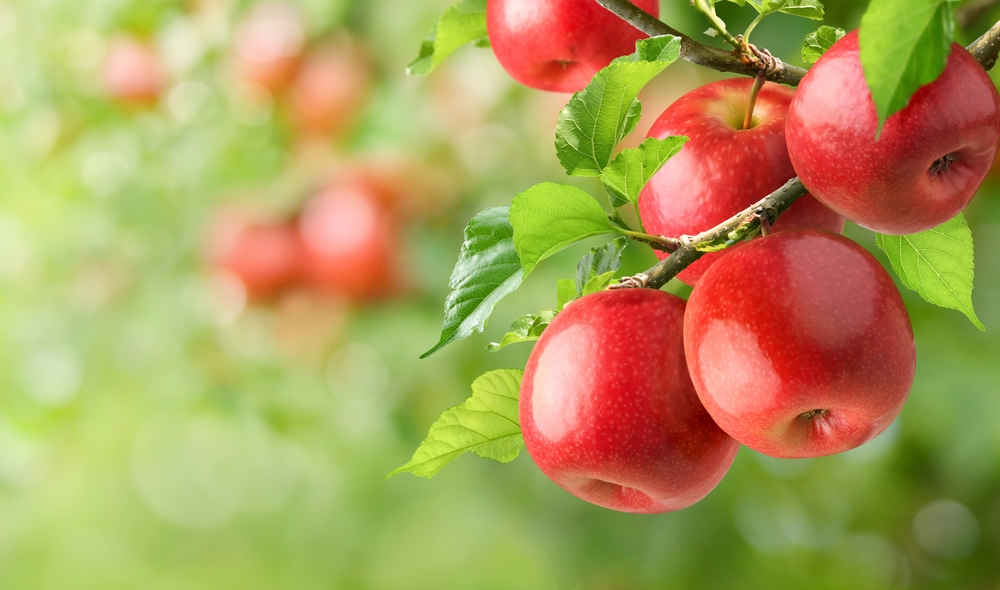
The air is getting crisp, the leaves are putting on their final fiery show, and you’re cozied up with a mug of cider. But outside, your fruit trees are sending you a silent SOS. They’re not ready for their long winter nap, not until you’ve played your part as backyard surgeon and strategic coach.
Fall pruning isn’t just a chore; it’s the ultimate secret handshake between you and your tree, a promise of bigger, better, and juicier rewards next season. Grab your pruners, and let’s turn you into a cold-weather tree-whisperer.
Why Autumn Is Your Secret Pruning Weapon
Pruning as the garden winds down might feel counterintuitive, but it’s a brilliant tactical move. With the leaves gone, you have a crystal-clear view of the tree’s architecture, all its crossing branches and awkward angles are on full display. The tree is entering dormancy, meaning it won’t respond with a burst of tender new growth that would be instantly zapped by frost. This timing allows wounds to begin the healing process calmly before spring’s energetic push. You’re essentially tucking the tree into bed, ensuring it directs all its stored energy to the strongest buds. It’s about setting the stage, not stealing the spotlight.
The Surgeon’s Toolkit: Your Armory For Success
Never wage war on your trees with dull tools; clean, sharp instruments are non-negotiable for healthy cuts. You’ll need bypass hand pruners for slender branches, the scissor-like action giving a clean slice that heals fast. For thicker limbs up to about two inches, long-handled loppers provide the necessary leverage without straining your wrists. A sharp pruning saw is essential for the big, strategic removals, its teeth designed to cut on the pull stroke. Keep a rag and a bottle of rubbing alcohol handy to disinfect your blades between trees, preventing the spread of disease. This isn’t just a job for any old tool in the shed—it’s a precision operation.
The Three D’s: Your Pruning Compass
Before you make a single cut, walk around your tree and conduct a survey, starting with the unforgettable “Three D’s.” First, target the Dead wood—these brittle, often darker branches are an open invitation for pests and disease. Next, seek out the Diseased limbs, which may show signs of cankers, odd discoloration, or mold. Finally, identify the Damaged branches, those broken by wind, weight, or wildlife. Removing these three categories instantly improves the tree’s health and vitality. This initial purge clarifies your next steps, revealing the tree’s true, healthier form beneath the clutter.
Shaping The Future: Encouraging Strength And Sunlight
With the Three D’s cleared, shift your focus to shaping for abundance and structure. Your goal is to open up the tree’s canopy, allowing life-giving sunlight and air to penetrate to the inner branches. Look for and remove branches that are crossing or rubbing against each other, as these create wounds and entry points for pathogens.
Encourage a strong, vase-like shape in stone fruits like peaches, or a central leader in apples and pears, by cutting back to outward-facing buds. Always make your cuts just above a bud that points in the direction you want future growth to travel. You’re not just cutting away wood; you’re directing the entire story of next summer’s growth.
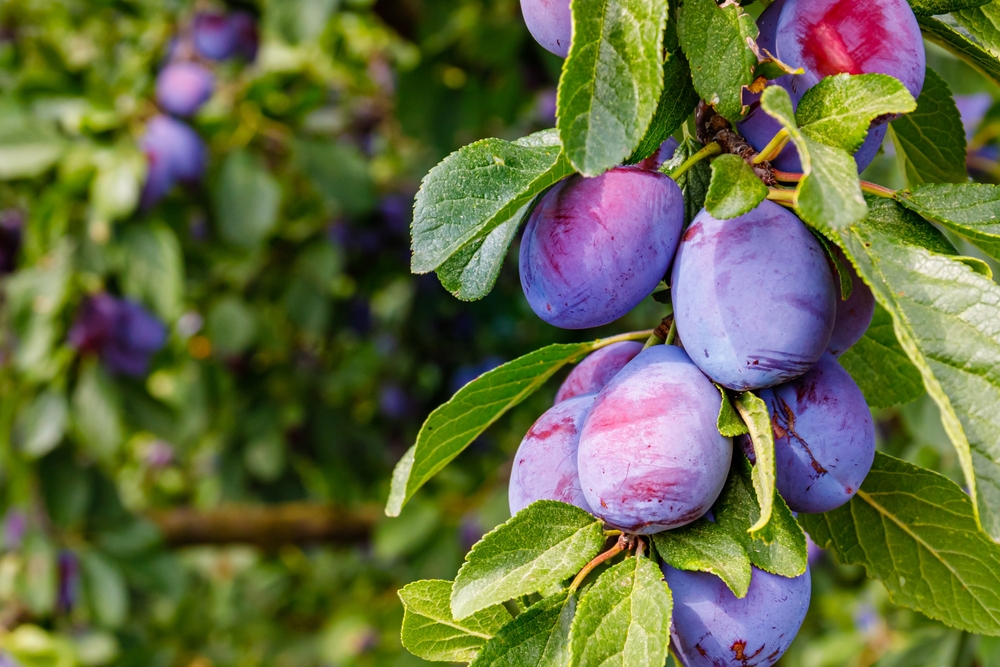
The Art Of The Perfect Cut: Location Is Everything
Where you make your cut is as critical as why you’re making it. Never leave a stub, as it will die back and become a highway for decay into the heart of the tree. Conversely, don’t cut flush against the trunk or parent branch, as you’ll damage the important protective branch collar—the slightly swollen area where the branch meets the trunk. Your cut should be just outside this collar, angling slightly away from the bud or trunk to shed water. A proper cut allows the tree to compartmentalize the wound efficiently, sealing it with its own natural defenses. Think of it as making a surgical incision, not a ragged tear.
What To Leave Behind: The Golden Rule Of Less Is More
In the zeal of pruning, it’s easy to get carried away—resist the urge! A good rule is to never remove more than 25% of the tree’s living canopy in a single season to avoid sending it into shock. Your focus should be on quality of removal, not quantity of branches piled in the yard. Remember, those remaining branches are the factories that will produce next year’s blossoms and fruit. Step back frequently to look at the overall balance and symmetry of the tree as you work. When in doubt, it’s always better to make a few strategic cuts now and plan for another round next year.
Your Pruning Stories: Let’s Compare Notes!
And there you have it—your roadmap to taming your fruit trees and prepping them for a productive winter’s rest. But the learning doesn’t stop here! I want to hear from you. Did you discover a hidden beehive in your old apple tree? Have you perfected a peach pruning technique that guarantees a bumper crop? Maybe you have a funny story about the one branch that got away.
Share your triumphs, questions, and hard-earned wisdom in the comments section below. Let’s build a community of savvy backyard orchardists together!
You May Also Like…
10 Shrubs That Should Be Pruned Before Winter
Why Root Pruning Is Easier in Cooler Weather
9 Fruit Tree Grafts That Take Best in Fall
Why Autumn Is Ideal for Planting Fruit Trees
Why Pruning Too Early Can Kill Your Shrubs Before Spring

Brandon Marcus is a staff writer for FrugalGardening.com at District Media, Inc., where he delivers practical gardening advice with a relatable, no-nonsense style. An avid amateur gardener, he holds a BA degree and with over ten years of professional writing experience, he is also an award-winning published author whose first book, Questions For Deep Thinkers, was released by Adams Media. His work has appeared in major publications including Fandom.com, CHUD.com, TheColdWire.com, and Fansided.com.
Leave a Reply