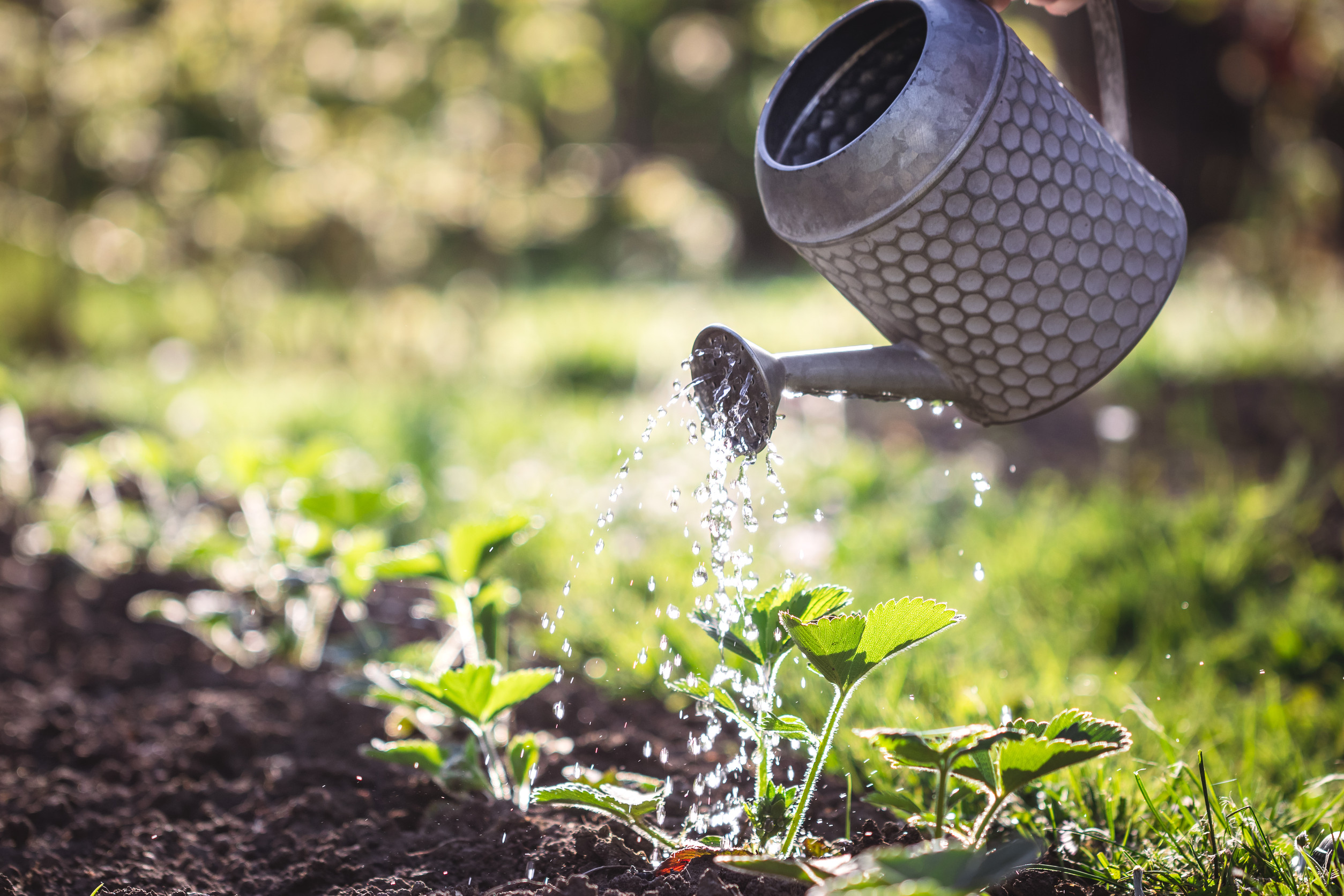
You’ve probably seen it before—your neighbor out there with a hose in hand at high noon, giving their lawn a good soaking while the sun blazes overhead. It might look productive, but here’s the truth: most people are watering their lawns, gardens, and plants at exactly the wrong time of day. And this simple mistake could be the reason their grass looks patchy, their flowers droop, or their tomatoes never quite reach that juicy perfection.
The good news? With a little timing tweak, you can make every drop of water count and get the lush greenery you’ve been dreaming of.
Why Timing Matters More Than You Think
When it comes to watering, timing isn’t just a detail—it’s everything. The sun, temperature, and even the wind all play major roles in how efficiently your plants soak up water. Water at the wrong time, and you’re basically throwing liquid gold down the drain. Get it right, though, and your plants will thrive with less effort and less waste. Think of it as learning your plants’ schedule, and suddenly you’re speaking their language.
The Golden Hour of Watering
The best time to water is early morning, ideally between 6 a.m. and 10 a.m. During this window, the air is cooler, the sun is lower, and your plants have a chance to soak in the water before heat and evaporation kick in. This helps roots dig deep, strengthening your lawn and garden for long-term health. Plus, morning watering keeps leaves dry enough to prevent fungal growth, which loves to thrive on damp plants overnight. It’s like giving your greenery breakfast—fueling them for the day ahead.
Why Afternoon Watering Fails
Watering in the heat of the day might feel logical—you see thirsty plants, you give them a drink. But under that hot sun, most of your water evaporates before roots can absorb it. This not only wastes water but also stresses plants, since rapid evaporation can cause shallow root growth. In extreme heat, droplets can even act like magnifying glasses on leaves, creating tiny scorch marks. Afternoon watering is basically like serving ice cream in a sauna—not the best idea.
The Trouble with Night Watering
Evening watering seems convenient—you’re home from work, the sun’s down, and the air is calm. But here’s the problem: water lingers on leaves and soil surface overnight, creating the perfect playground for fungus, mold, and root rot. While your plants might look refreshed at first, diseases can creep in silently, sabotaging your garden. Roots also don’t take in water as efficiently in cooler night temperatures. So, while it feels relaxing for you, it’s not exactly spa treatment for your plants.
Lawns vs. Gardens: Do They Differ?
Lawn grasses and vegetable gardens share the same basic rules, but they differ slightly in sensitivity. Grass roots love that morning soak because it gives them strength to survive the day’s heat. Vegetable plants, on the other hand, benefit from steady soil moisture, especially during fruiting stages. For both, though, morning watering is king—it reduces stress and encourages healthy growth. The universal truth? No matter the plant, timing is the make-or-break factor.
What About Drip Irrigation Systems?
Drip irrigation systems are a gardener’s secret weapon for precise watering. By delivering water directly to the roots, they minimize waste and reduce the risk of disease from wet foliage. Even with drip systems, morning is still the best time to run them, because the soil absorbs water efficiently before the heat sets in. Plus, drip systems give you the freedom to “set it and forget it,” avoiding the temptation of midday watering. It’s efficiency at its finest—low effort, high reward.
Weather Plays a Role Too
Your watering schedule isn’t carved in stone—it depends on the weather. On cooler, cloudy days, your plants won’t need nearly as much as during a blazing hot week. If there’s been rain, you can give your hose or sprinkler a break entirely. Windy days? Water early, before the gusts steal moisture from your soil. Paying attention to the forecast is just as important as picking the right hour.
Avoiding Common Mistakes
Aside from bad timing, people often make other watering missteps. They water too frequently, creating shallow root systems that can’t handle stress. Or they water too little, leaving plants gasping between drinks. Sprinklers that mist into the air instead of soaking into the soil are another culprit. Correcting these habits—combined with early morning watering—creates a garden that’s not just surviving but thriving.
How to Build a Winning Routine
Consistency is the secret sauce. Pick your mornings, set your schedule, and stick with it. Your plants will begin to thrive on the predictability, and you’ll notice stronger growth, greener lawns, and fewer issues with disease. Make it part of your daily routine—just like brushing your teeth or grabbing your first cup of coffee. Before long, you’ll be the neighbor with the envy-worthy yard, and people will be asking you for watering tips.
Timing Is Everything
At the end of the day, the best time to water is simple: early morning. Get it wrong, and you’re wasting effort, money, and precious water. Get it right, and your plants will reward you with stronger roots, healthier growth, and vibrant blooms. So, the next time you reach for that hose, ask yourself: “Am I watering for me—or for my plants?”
Share your own watering tricks, routines, or funny mishaps in the comments below—I’d love to hear your stories!
You May Also Like…
The Watering Technique That Prevents Root Rot
7 Low-Maintenance Flowers That Thrive With Little Water
This Unusual Watering Schedule Is Saving Gardens During Heatwaves
Why Your Garden Hates You After You Mow the Lawn
10 Gardening Habits That Are Actually Destroying Your Soil

Brandon Marcus is a staff writer for FrugalGardening.com at District Media, Inc., where he delivers practical gardening advice with a relatable, no-nonsense style. An avid amateur gardener, he holds a BA degree and with over ten years of professional writing experience, he is also an award-winning published author whose first book, Questions For Deep Thinkers, was released by Adams Media. His work has appeared in major publications including Fandom.com, CHUD.com, TheColdWire.com, and Fansided.com.
Leave a Reply