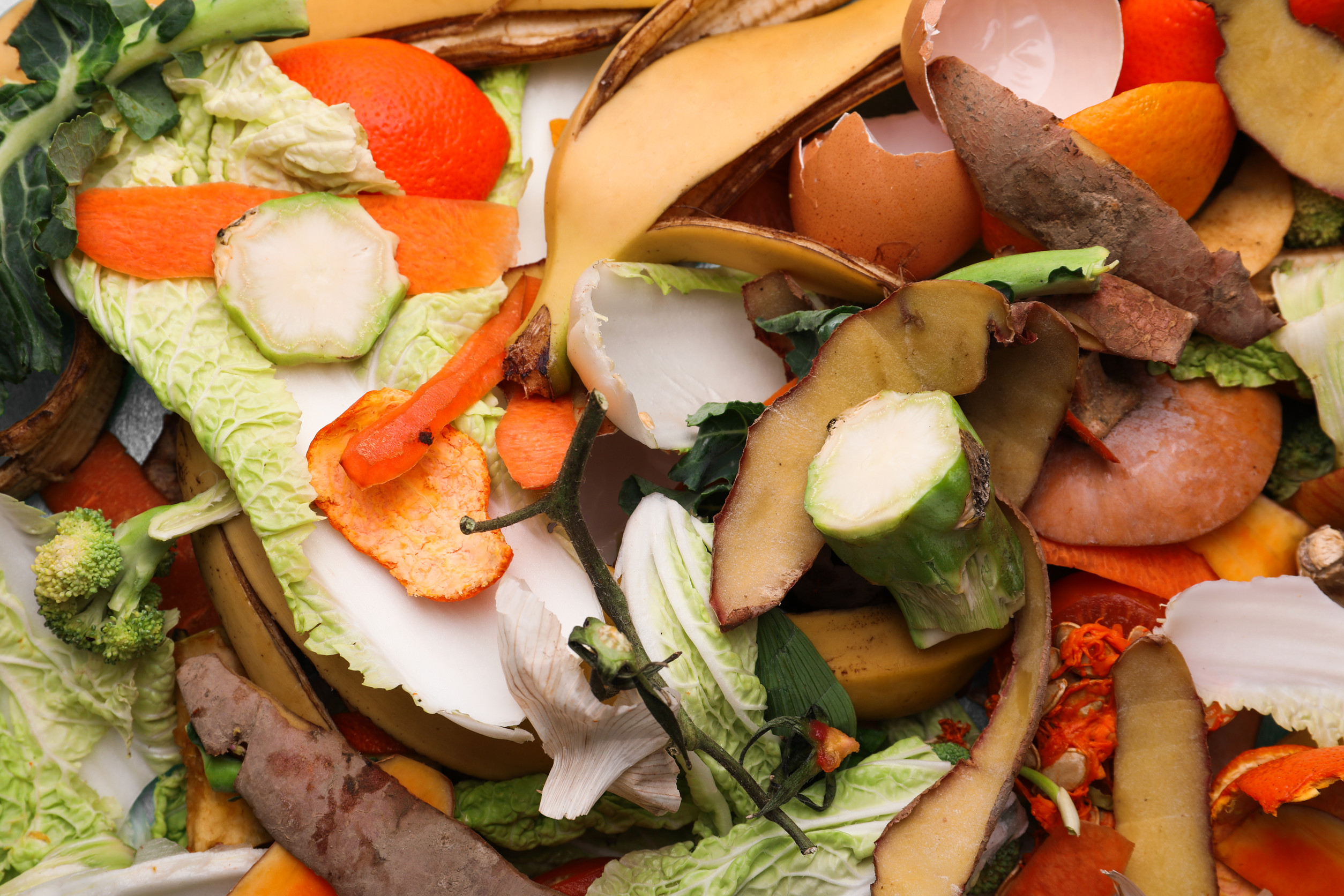
You know that moment when you’re chopping veggies and tossing ends, stems, and peels into the trash or compost? Stop right there—because you might be throwing away your next meal. That’s right, your grocery scraps aren’t just scraps; they’re tiny greenhouses of potential waiting to sprout new life. Imagine regrowing lettuce from the base of a head you thought was done or coaxing new potatoes from a handful of shriveled spuds. Turning waste into a second harvest isn’t just clever—it’s fun, surprisingly easy, and a great way to stretch your grocery budget.
Regrow Lettuce, Celery, and Bok Choy from Their Bases
Don’t toss that base of romaine lettuce or celery just yet—it’s a free ticket to round two. Place the stump in a shallow dish of water, set it on a sunny windowsill, and watch as new leaves begin to sprout within days. Bok choy, too, perks right up and will give you crisp greens in no time. Once roots develop, transfer your regrown plants into soil to help them thrive longer. You’ll get fresh produce without spending another dime at the grocery store.
Potatoes and Sweet Potatoes Have Built-In Superpowers
Those little “eyes” on your potatoes aren’t imperfections—they’re growth points just begging for dirt. Cut your potato into chunks with at least one eye each, let them dry for a day, and then plant them in soil. In a few weeks, you’ll see new plants forming that eventually yield a whole basket of spuds. Sweet potatoes grow similarly, though many people start them in jars of water to sprout “slips” before planting. Suddenly, what looked like food waste is now the foundation of your next hearty dinner.
Green Onions and Leeks Are the Easiest Win
If you want a near-instant win, look no further than green onions. Simply place the white roots in a glass of water, and within days, you’ll have new green stalks shooting up. Change the water every couple of days, and you’ll have a continuous supply of onions without ever stepping into the produce aisle. Leeks work the same way but grow a bit slower, giving you tall, hearty stalks for soups and stir-fries. These regrow so quickly, you’ll feel like you’ve unlocked a kitchen magic trick.
Herbs Love to Make a Comeback
Basil, cilantro, parsley, and mint can all regrow from stems, which means you never have to say goodbye to your favorite herbs. Just snip a few inches of stem with leaves attached, stick them in water, and let them soak up some sunshine. Within a week, roots will start forming, and soon you can transfer them into pots of soil. With a little love and water, these herbs will flourish, ready to flavor your next dish. It’s like turning one grocery store bunch into an endless garden of freshness.
Carrot Tops and Beet Greens Are Secret MVPs
No, you won’t get a whole new carrot out of a top—but don’t underestimate their leafy potential. Place carrot tops in shallow water, and they’ll sprout fresh greens that taste surprisingly similar to parsley. These greens are great for pestos, garnishes, or even tossing into salads. Beet tops regrow beautifully too, providing tender greens packed with nutrients. Next time you peel a root veggie, remember that the tops are practically begging for a second chance.
Garlic and Ginger Keep on Giving
That garlic clove starting to sprout in the back of your pantry? It’s ready to be planted. Just stick it in soil with the sprout pointing up, and you’ll eventually grow a whole new bulb. Ginger works similarly—cut off a piece with a visible “eye,” bury it in soil, and watch leafy shoots emerge. Over time, the underground root expands into a fresh ginger harvest. These pantry staples are practically built for endless renewals if you give them a chance.

Why Growing from Scraps Is Worth It
Sure, growing from scraps won’t replace your entire grocery list, but it offers undeniable benefits. It saves money, reduces waste, and adds a dash of fun to your kitchen routine. It’s also a great hands-on project for kids, teaching them where food really comes from. On top of that, having little green plants on your windowsill brightens your space and boosts your mood. And honestly, there’s just something wildly satisfying about eating food you grew from what would’ve been trash.
Don’t Trash It—Regrow It!
The next time you’re cooking, take a closer look at those scraps you’re about to toss. With just a little water, soil, and patience, they could become your next batch of greens, herbs, or root veggies. Growing a second harvest from grocery scraps is more than a money-saving hack—it’s a way to reconnect with your food, reduce waste, and feel like a kitchen wizard.
Have you tried regrowing veggies or herbs at home? Share your tips, successes, or funny failures in the comments below—we’d love to hear your stories!
You May Also Like…
How to Start a Frugal Grocery Garden for Less Than $20
Winter Food Budgeting for the Frugal Gardener
The Eggshell Hack That Actually Improves Your Soil
Why Your Raised Beds Might Be Working Against You
9 Clever Ways to Start Gardening for Free

Brandon Marcus is a staff writer for FrugalGardening.com at District Media, Inc., where he delivers practical gardening advice with a relatable, no-nonsense style. An avid amateur gardener, he holds a BA degree and with over ten years of professional writing experience, he is also an award-winning published author whose first book, Questions For Deep Thinkers, was released by Adams Media. His work has appeared in major publications including Fandom.com, CHUD.com, TheColdWire.com, and Fansided.com.
Leave a Reply