• Skip to primary navigation
  • Skip to main content
  • Skip to primary sidebar

Frugal Gardening

Simple ways to save money while you garden

  • About
  • Contact Us
  • Garden Frugally
  • Buy These
  • Our Editorial Commitment
  • Navigation Menu: Social Icons

    • Facebook
    • Pinterest
    • Twitter

This Unusual Watering Schedule Is Saving Gardens During Heatwaves

June 13, 2025 by Teri Monroe Leave a Comment

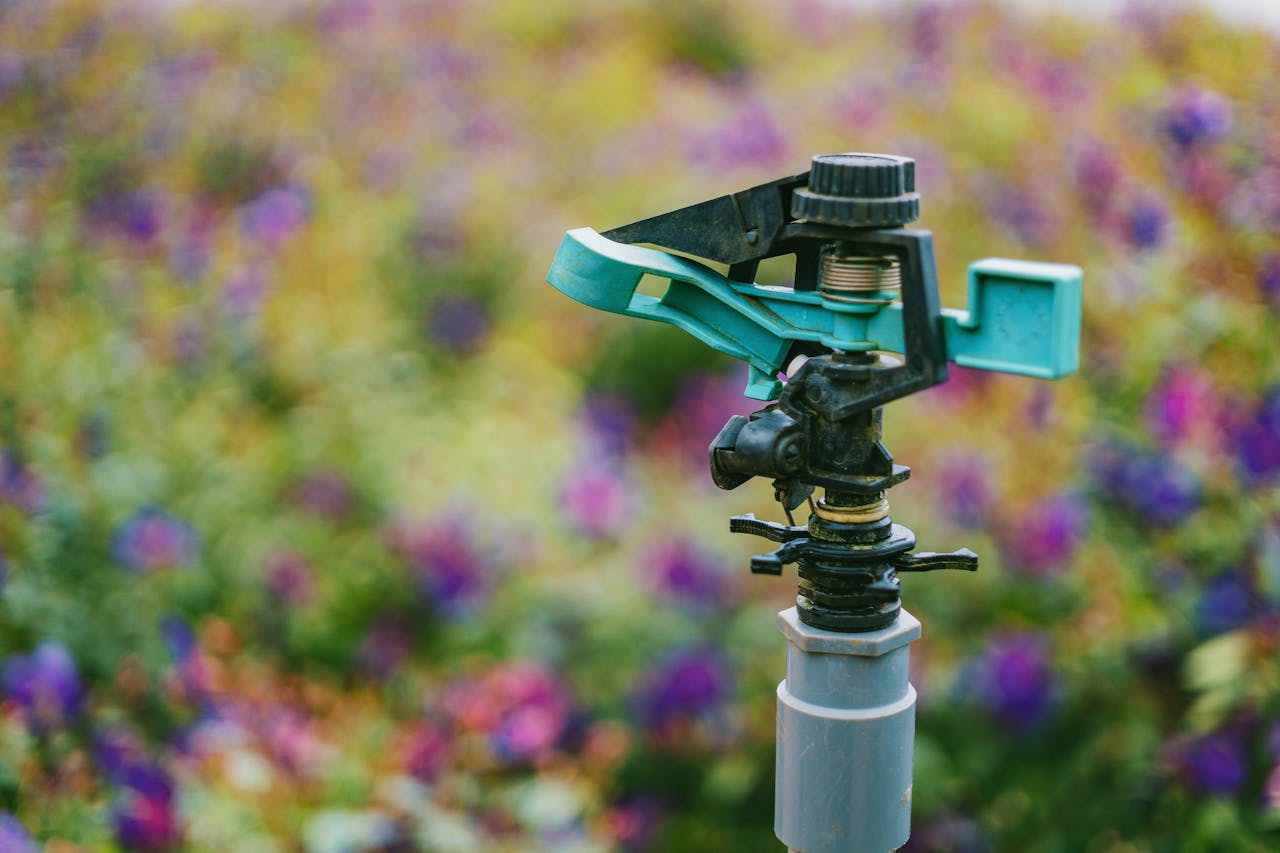
watering schedule during a heatwave
Image Source: Pexels

Gardeners are rethinking when and how they water to keep plants thriving in extreme heat. According to the World Meteorological Organization, as climate change intensifies, heat waves are becoming more frequent and severe. For gardeners, this presents a tough challenge. How can you keep plants alive without wasting precious water? It is possible, according to gardeners and experts. But it may take an unconventional solution. It involves changing the timing and method of watering. Here we’ll tell you all you need to know about the ideal watering schedule during heat waves.

The Problem with Traditional Watering Times

Most people water their gardens early in the morning or in the evening to avoid evaporation. But during heatwaves, even these strategies can fall short. Soil dries faster, plants become stressed, and municipal water restrictions may tighten. You may only be allowed to hand water on certain days of the week, leaving your garden dry and dying. But there is a simple solution.

The Unusual Solution: Night Watering

In response, some gardeners are turning to late-night watering. They typically water between 10 p.m. and 4 a.m. This allows water to seep deeply into the soil overnight without evaporating in the sun’s heat. Surprisingly, this method can reduce water use while still keeping plants hydrated. Here we’ll discuss why night watering works.

How It Works:

  • Cooler temperatures mean less evaporation.
  • Longer absorption time gives roots better access to water.
  • Reduced wind at night also minimizes water loss.

Smart irrigation systems, timers, and soaker hoses make night watering more practical and efficient. It may be worth it to install these measures if you don’t already have them. It will save your garden during the hot summer months. You should see noticeable improvements. Your yields will be up, plants look less wilted, and your soil will stay moist longer.

Additionally, you’ll want to focus on watering roots, not just leaves. According to experts, deep night watering is key. Your soil should be saturated to about an 8-inch depth. Healthy plants grow their roots down deep, so you’ll want to nourish them properly.

Tips for Getting Started

  • Use a drip irrigation or soaker hose setup.
  • Set a timer for nighttime hours.
  • Avoid watering foliage directly to prevent mildew or mold.
  • Add mulch to retain moisture and insulate roots.

Using The Right Watering Schedule During Heatwaves

Heatwaves are testing the limits of traditional gardening practices, but small adjustments, like watering after dark, can make a big impact. This shift not only conserves water but also helps plants endure increasingly extreme conditions. However, it’s important to make sure that night watering is suitable for your climate and won’t attract nocturnal pests or too much humidity.

Read More

10 Ways to Garden Without a Backyard (Yes, It’s Totally Possible)

The One Plant You Shouldn’t Put Next to Tomatoes – According to Gardeners

Photograph of Teri Monroe
Teri Monroe

Teri Monroe started her career in communications working for local government and nonprofits. Today, she is a freelance finance and lifestyle writer and small business owner. In her spare time, she loves golfing with her husband, taking her dog Milo on long walks, and playing pickleball with friends.

Filed Under: garden tips Tagged With: heatwave gardening, night watering, watering schedule

Previous Post: « The One Plant You Shouldn’t Put Next to Tomatoes – According to Gardeners
Next Post: The 8 Easiest Vegetables to Grow (Even If You’ve Killed Every Plant Before) »

Reader Interactions

Leave a Reply Cancel reply

Your email address will not be published. Required fields are marked *

Primary Sidebar

Struggling to get your garden off the ground? Put those days behind you with our special starter kit – perfect for thrifty green thumbs everywhere. Get growing and add a splash of color today!

Popular Posts

  • usda free seeds websiteHow To Get Free Seeds From The Government by Amanda Blankenship Seeds might seem like a small expense, but any seasoned…
  • Enviro Ice On PlantsShould I Use Enviro Ice On My Plants? by Kathryn Vercillo Every week, I receive food from Hungryroot. It's a great…
  • is shredded paper good for the gardenFrom Trash to Treasure: Transform Shredded Paper Into Garden Gold by Amanda Blankenship Should you use shredded paper as garden mulch? It might…
  • Enviro IceWhat Happens to Plants If You Use Enviro Ice on Them? by Amanda Blankenship About a year ago, I wrote our first article about…
how to store dahlia tubers

How to Lift and Store Dahlia Tubers Before Freezing Weather

Dahlias can bloom spectacularly right into fall, which makes it painful to watch freezing weather turn a thriving plant black almost overnight. The flowers may be finished, but the valuable part of the plant is still underground: the cluster of tubers capable of producing next year’s plants. In colder climates, those fleshy tubers generally can’t…

Read More

cutting back hostas after frost

The Right Way to Cut Back Hostas After Frost

Hostas put on one of the best foliage displays in a shade garden all summer, but they aren’t particularly attractive once cold weather arrives. After a hard frost, those broad green leaves can quickly collapse into a yellow, brown or slimy mass lying over the soil. That’s normal: hostas are herbaceous perennials that go dormant…

Read More

leaving perennials standing in winter

Why Some Perennials Should Be Left Standing Through Winter

When the first hard frost turns a perennial garden brown, grabbing the pruners can feel like the obvious next step. But those dead-looking coneflowers, asters, and ornamental grasses may still be doing important work long after their flowers disappear. Standing stems can shelter overwintering insects, seed heads can feed birds, and dried plants can give…

Read More

dividing daylilies

How to Divide Daylilies Before the Ground Gets Too Cold

Daylilies have a way of quietly taking over a flower bed. A plant that once produced an attractive mound of foliage can eventually become a dense clump with fewer flowers in the center, signaling that it may be time for some attention. Dividing an established plant rejuvenates the planting while turning one daylily into several…

Read More

  • About
  • Contact Us
  • Garden Frugally
  • Buy These
  • Our Editorial Commitment
  • Navigation Menu: Social Icons

    • Facebook
    • Pinterest
    • Twitter
  • Facebook
  • Pinterest
  • Twitter

Copyright © 2026 · Foodie Pro & The Genesis Framework