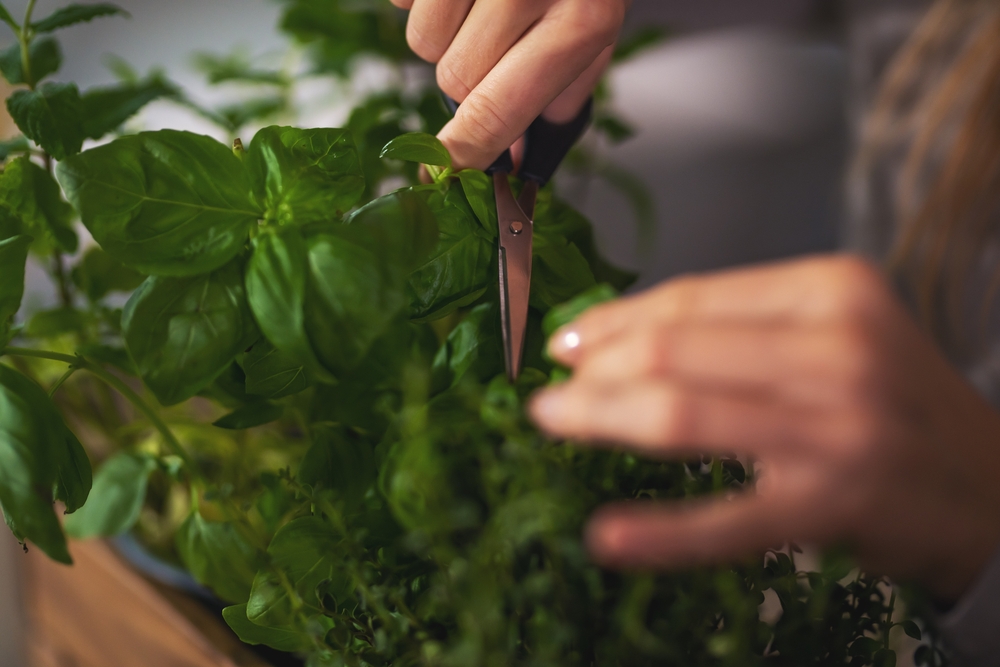
Fresh herbs already save money in the kitchen, but those trimmed stems can stretch a garden budget even further. Many common culinary herbs grow into entirely new plants from healthy cuttings, turning routine pruning into one of the easiest gardening tricks around.
A handful of stems, a glass of water, and a little patience often produce enough new plants to fill containers, garden beds, or gift pots. Instead of tossing those fragrant leftovers into the compost, gardeners can turn them into tomorrow’s harvest.
Not Every Herb Plays by the Same Rules
Many popular herbs root readily from stem cuttings because they naturally produce roots along their stems. Basil, mint, oregano, lemon balm, sage, thyme, and rosemary all rank among the easiest candidates, although some root faster than others. Soft, flexible stems usually respond more quickly than woody ones, especially during active growing seasons. A healthy cutting carries far more potential than a tired, flowering stem. Picking the right stem often makes the difference between a lush new plant and a disappointing glass of murky water.
Gardeners often assume every herb behaves the same way, but nature likes variety. Parsley, cilantro, and dill rarely produce reliable results from stem cuttings because they grow from a central taproot instead of branching stems. Those herbs usually grow best from seed. Chives also prefer division rather than cuttings because they grow in clumps. Choosing herbs that naturally reproduce from stems saves time and increases success dramatically.
Fresh Cuttings Need a Strong Start
The best cuttings measure about four to six inches long and come from healthy stems without flowers. Flowers pull energy toward seed production instead of root development, so removing them gives the cutting a better chance to establish itself. Sharp, clean pruning shears prevent crushed stems and reduce the chance of disease. A fresh cut just below a leaf node gives new roots the perfect place to emerge.
Strip the leaves from the lower half of each cutting before placing it into water or moist potting mix. Any leaves sitting below the waterline quickly decay and encourage rot. Leaving several healthy leaves near the top allows the cutting to continue photosynthesis while new roots develop. A clean jar with fresh water often works beautifully for herbs like basil and mint, while rosemary and thyme usually respond better in a light, well-draining growing medium.
Water or Soil? Both Can Work Beautifully
Watching roots grow in a clear glass feels almost magical. Basil often sends out tiny white roots within a week, while mint frequently races ahead even faster. Changing the water every few days keeps oxygen available and discourages bacteria from taking over. Bright, indirect light encourages steady growth without stressing the tender stem.
Some herbs skip the water stage entirely and root directly in soil. Rosemary and sage often perform better this way because their stems dislike sitting in water for long periods. Lightly moist potting mix provides both air and moisture, giving delicate roots room to expand. A loose plastic bag placed over the container creates a humid environment that slows moisture loss until the roots establish themselves.
Timing Matters More Than Fancy Supplies
Spring and early summer usually deliver the fastest rooting because herbs actively produce fresh growth during those seasons. Warm temperatures and longer daylight hours encourage vigorous root formation. A cutting taken during a plant’s growth spurt simply carries more energy than one collected during winter dormancy. Gardeners who prune regularly throughout the growing season often enjoy several rounds of successful propagation.
Fancy rooting hormones certainly exist, but many kitchen herbs root perfectly well without them. Clean containers, healthy stems, fresh water, and consistent moisture matter much more than expensive products. Bright light without harsh afternoon sun helps prevent wilting. Patience also deserves a place on the supply list because some herbs root in days while others take several weeks before showing any visible progress.
Avoid the Little Mistakes That Cause Big Problems
Overwatering ranks among the fastest ways to lose a promising cutting. Saturated soil limits oxygen around developing roots and encourages fungal problems before the plant ever gets established. Moist soil works well, but soggy soil almost never does. A container with drainage holes gives excess water somewhere to go instead of trapping it around tender roots.
Gardeners also sometimes rush new plants into full sunshine too soon. Fresh roots remain delicate and need time to strengthen before facing hot afternoon conditions. Gradually introducing rooted cuttings to brighter light reduces stress and helps them settle into their new home. Waiting until roots measure at least an inch or two long before transplanting also improves survival rates considerably.
Turn One Herb Plant Into a Whole Collection
A single healthy basil plant can produce dozens of cuttings over one growing season. Mint often spreads enthusiastically once established, making it one of the easiest herbs to multiply for containers or garden borders. Rosemary requires more patience, but successful cuttings eventually develop into sturdy shrubs that provide fragrant sprigs for years. Those extra plants also make thoughtful homemade gifts for neighbors, friends, or anyone who enjoys cooking.
Regular pruning creates a rewarding cycle. Harvesting encourages many herbs to produce bushier growth, and those fresh stems become tomorrow’s propagation material. Instead of viewing pruning as garden cleanup, experienced gardeners see it as an opportunity to expand the herb garden without spending another dollar at the nursery. Few gardening projects offer such satisfying returns from such simple materials.
A Small Snip Can Lead to a Bigger Harvest
Pruned herb stems often hold far more value than they first appear. Choosing healthy cuttings, matching each herb with the right rooting method, and providing steady care can transform ordinary trimmings into productive new plants. Even gardeners with limited space can fill windowsills, patios, or balconies with herbs grown from simple cuttings. Every successful propagation reminds gardeners that some of the best bargains in the garden begin with something that almost ended up in the compost.
Which herb has given the best results from cuttings, or which one would you love to try propagating next? Share your experience and favorite tips in the comments below.
You May Also Like…
What Is Causing Brown Patches in an Otherwise Healthy Herb Garden?
6 Low-Cost Ways to Store a Sudden Herb Harvest
Drought‑Resistant Herbs and Spices: Rosemary, Thyme and Sage Thrive with Minimal Water
10 Plants You Should Never Prune In January
7 Ways to Build a Backyard Retreat With Plants You Already Own

Brandon Marcus is a staff writer for FrugalGardening.com at District Media, Inc., where he delivers practical gardening advice with a relatable, no-nonsense style. An avid amateur gardener, he holds a BA degree and with over ten years of professional writing experience, he is also an award-winning published author whose first book, Questions For Deep Thinkers, was released by Adams Media. His work has appeared in major publications including Fandom.com, CHUD.com, TheColdWire.com, and Fansided.com.
Leave a Reply