Tiny corners, narrow strips, and strange garden gaps often become the forgotten leftovers of a yard. Edible perennials offer a clever solution because they bring beauty, flavor, and reliable harvests without demanding a yearly planting marathon.
Instead of staring at that awkward patch beside the fence or the empty area near the shed, gardeners can turn those spots into mini food-producing zones. These plants reward patience, and many return every season with less fuss than annual vegetables.
1. Asparagus Adds Long-Term Flavor to Forgotten Corners
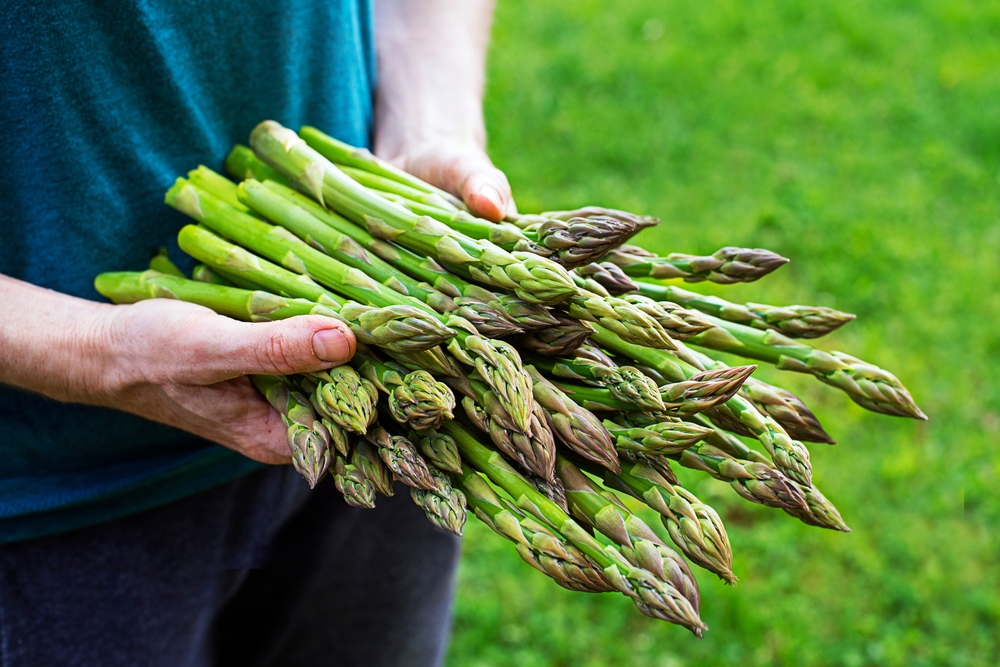
Asparagus makes an excellent choice for a sunny garden edge because it returns every spring with tender spears. Gardeners should choose a permanent location because asparagus plants can produce harvests for many years. The feathery green foliage also adds texture after the spring harvest ends.
This vegetable needs patience because young plants usually require a couple of seasons before heavy harvesting begins. A narrow row near a fence or along a property border can become a dependable springtime snack station.
2. Rhubarb Turns Cool Spots Into Pie Potential
Rhubarb brings giant leaves and colorful stalks to garden spaces that need a bold plant. Gardeners often place it near fences, sheds, or other areas where its large leaves can create visual interest. The stalks provide a tart flavor that works beautifully in pies, sauces, and jams.
Rhubarb prefers rich soil and consistent moisture, but it does not need constant attention once established. Remember that only the stalks work for eating because rhubarb leaves contain compounds that gardeners should avoid consuming.
3. Sorrel Creates a Tangy Green Patch
Sorrel gives gardeners a leafy perennial that adds a lemony kick to salads, soups, and sauces. This plant handles cool weather well and often produces fresh leaves when many other garden favorites slow down. Its bright flavor makes it a fun alternative to ordinary greens.
Gardeners can tuck sorrel into small spaces because it does not require a large planting area. Regular harvesting encourages fresh growth and keeps this flavorful plant looking tidy throughout the season.
4. Chives Bring Color and Kitchen Convenience
Chives rank among the easiest edible perennials for beginners because they combine toughness with culinary usefulness. Their purple flowers attract pollinators, while their green stems add onion flavor to countless dishes. A small clump near a walkway or patio can provide fresh seasoning whenever a recipe needs a finishing touch.
Chives grow well in containers, borders, and cramped garden corners where larger vegetables cannot fit. Gardeners should divide crowded clumps occasionally because extra plants create easy opportunities for new garden spots.
5. Mint Provides Fragrance and Fresh Leaves
Mint can transform a difficult garden area into a fragrant herb corner, but it comes with one important warning. This energetic plant spreads quickly through underground stems, so many gardeners prefer containers or dedicated spaces. Fresh mint leaves work wonderfully in drinks, desserts, and summer recipes.
A forgotten corner can become a useful mint station with the right boundaries. Keeping mint contained helps gardeners enjoy the flavor without letting it wander through every nearby planting bed.
6. Walking Onions Create A Unique Edible Display
Walking onions offer a quirky addition for gardeners who enjoy unusual plants with personality. These onions produce small bulbs at the top of their stems, and those little clusters eventually lean toward the ground and create new plants. The unusual growth habit makes them a conversation starter.
They work well in narrow beds because they require little room compared with many traditional vegetables. Gardeners can harvest the greens and bulbs while allowing the plant to continue its yearly cycle.
7. Daylilies Add Beauty With Edible Possibilities
Daylilies bring bright flowers to awkward spaces while offering edible parts for adventurous gardeners. Many people use the flower buds and blossoms in cooking, although gardeners should correctly identify the plant before eating anything. These hardy perennials can handle many conditions and add cheerful color.
A sunny border or unused corner near a pathway can become more attractive with daylilies. Gardeners should choose edible varieties from trusted sources because some ornamental plants share similar appearances but lack culinary value.
Turning Odd Corners Into Productive Garden Gems
Edible perennials give gardeners a way to make every inch of outdoor space count without creating extra yearly chores. These plants add structure, seasonal interest, and fresh ingredients in places that might otherwise sit empty. A neglected strip beside a garage or fence can become a small harvest area with thoughtful plant choices.
The best approach starts with matching plants to the location instead of forcing a favorite plant into the wrong spot. Check sunlight, soil conditions, and available space before planting to create a healthier garden design. Small changes can turn forgotten areas into productive parts of the landscape.
What edible perennial would you add to an awkward garden space, and which plant has surprised you with its usefulness?
You May Also Like…
Can Shade-Loving Edibles Lower Your Garden’s Water Needs?
Transform Your Side Yard into a Food Forest: Edible Perennials That Require Little Maintenance
Why Are More People Growing Food on Tabletops and Railings?
SNAP Benefits Can Buy Seeds—How Families Can Turn Food Assistance Into Fresh Produce
Why More Americans Are Turning Empty Patios Into Food Gardens

Brandon Marcus is a staff writer for FrugalGardening.com at District Media, Inc., where he delivers practical gardening advice with a relatable, no-nonsense style. An avid amateur gardener, he holds a BA degree and with over ten years of professional writing experience, he is also an award-winning published author whose first book, Questions For Deep Thinkers, was released by Adams Media. His work has appeared in major publications including Fandom.com, CHUD.com, TheColdWire.com, and Fansided.com.
Leave a Reply