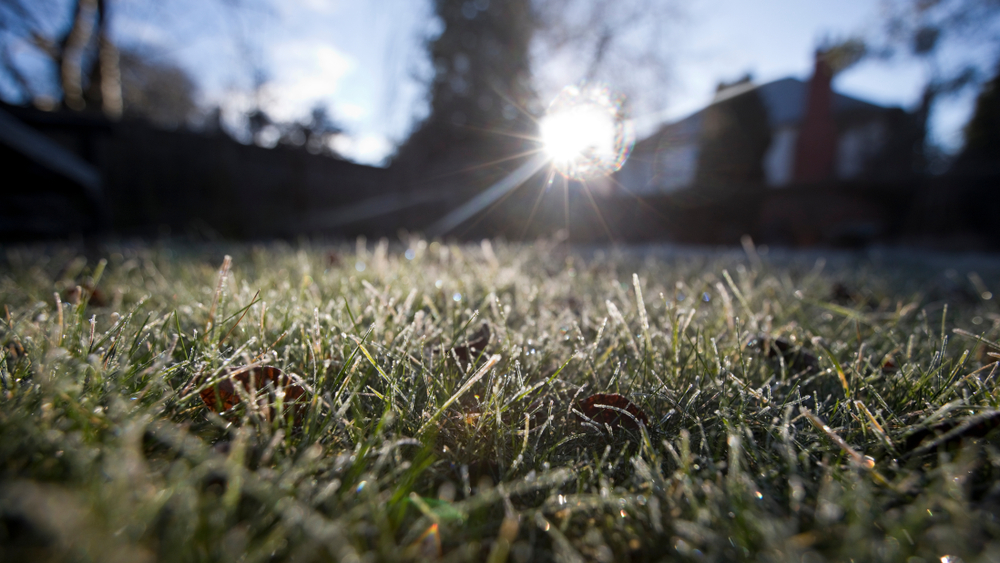
When grass turns brown during a dry spell, the lawnmower may suddenly look less like a helpful garden tool and more like an unnecessary weekly appointment. In many cases, stopping or dramatically reducing mowing makes sense, especially when the grass has entered true dormancy and the soil has become too dry to support active growth.
The tricky part involves recognizing the difference between dormant grass and grass that simply needs a little water. A lawn can look tan, pause its growth, and still recover nicely when rain returns, but mowing at the wrong time can add stress when the plants already have very little water to spare. The right approach depends on the grass type, weather conditions, soil moisture, and whether the lawn still shows signs of active growth.
Dormant Grass Does Not Need the Same Mowing Schedule
Grass enters dormancy as a survival strategy during extended heat or drought. Instead of producing fresh green leaves at its usual pace, the plant slows its growth and conserves water in its roots and crown, the area where the leaves meet the roots. The blades may turn brown or straw-colored, but that color does not automatically mean the grass has died. A lawn in genuine dormancy often needs far less mowing because it simply stops producing enough new growth to justify the weekly haircut.
That creates an easy rule for homeowners: if the grass has stopped growing, stop mowing it. Running a mower over dormant turf offers little benefit and can create unnecessary stress, particularly if the soil has become hard and dry. A mower also can kick up dust, scatter dry debris, and place extra pressure on grass that already operates on a very limited water budget. The lawn does not need a motivational speech or a fresh fade during a drought. It needs time.
Mowing Dry Grass Can Create More Problems
Even when grass still grows a little during a dry spell, mowing requires some judgment. Cutting too short removes more leaf tissue than the plant can comfortably replace under hot, dry conditions. That can expose more soil to sunlight, increase moisture loss, and leave the lawn looking even more stressed once the mower finishes its lap.
A practical example helps here: imagine a lawn that still shows a few green inches of growth after several hot, rainless weeks. The grass may need mowing, but the safest approach involves raising the mower deck and removing only a small amount of the blade. Never cut off a huge portion of the grass simply because the lawn finally looks long enough to justify mowing. Sharp mower blades also matter because dull blades tear grass instead of making clean cuts, creating ragged ends that look brown and can increase stress.
The Grass Type Changes the Drought Strategy
Not all lawns respond to dry weather in the same way. Cool-season grasses such as Kentucky bluegrass, perennial ryegrass, and tall fescue often slow dramatically during summer heat, while warm-season grasses such as bermudagrass, zoysiagrass, and certain types of centipede grass generally handle hot weather more actively. A cool-season lawn may enter summer dormancy during a prolonged dry spell, while a warm-season lawn may continue growing if it receives enough moisture.
That difference makes a calendar-based mowing schedule a poor substitute for watching the actual lawn. Check the grass before starting the mower, and look for fresh growth rather than assuming a certain day requires a cut. If the blades barely extend beyond the current mowing height, leave them alone. If the lawn continues growing and the soil still contains reasonable moisture, mow high and gently instead of forcing the grass into a severe cut.
Avoid Mowing When the Soil Turns Dusty and Hard
Dry soil creates another reason to pause the mower. When the ground becomes extremely hard and powdery, heavy mowing equipment can add stress to the surface and potentially contribute to compaction, especially on soil that already receives frequent foot traffic. Compacted soil gives roots less room to access air and water once rain finally arrives, which can make recovery slower.
The best time to mow during a dry period often comes after a modest rainfall or irrigation event, once the lawn has regained some flexibility but the ground remains firm enough to support the mower without creating ruts. Avoid mowing soggy soil, though, because wet conditions can cause their own problems, including ruts and soil compaction. The sweet spot sits between dust bowl and mud pie. If the mower wheels sink, wait. If the lawn produces a cloud of dust with every pass, wait again.
What To Do While the Lawn Waits for Rain
A dormant lawn still needs sensible care, even when the mower stays parked. Keep foot traffic to a minimum when the grass looks severely stressed, because repeated walking can crush dry blades and compact the soil beneath them. Also avoid aggressive lawn projects during the worst part of a drought, including heavy dethatching or major renovation work that removes large amounts of plant material.
Watering also requires some common sense and local rules may affect when and how homeowners can irrigate. If watering makes sense for the grass type and local conditions, deep and less frequent watering generally encourages moisture to move farther into the soil than frequent, shallow sprinkling. Do not respond to brown grass by watering for a few minutes every day and then mowing immediately after. Give the lawn time to absorb moisture and resume active growth before returning to a normal mowing routine.
The Best Mowing Rule During Drought Is Surprisingly Simple
The most useful question is not, “Is it mowing day?” It is, “Is the grass actively growing enough to need mowing?” If the answer is no, leave the mower in the shed and let the lawn conserve its energy. Once rain or irrigation restores active growth, gradually return to regular mowing while keeping the blades taller than during periods of mild weather and reliable moisture.
A brown lawn can look alarming, especially when neighboring lawns still show green, but color alone does not tell the whole story. Some grass can remain dormant and recover when favorable conditions return, while severely damaged turf may develop bare patches or fail to green up evenly. Watch for new growth, check the soil, adjust mowing height, and resist the urge to treat every brown blade as a crisis. Sometimes the smartest lawn-care move involves doing less, which may rank among the rare gardening tasks that actually get easier during a heat wave.
Let the Lawn Rest Before You Reach for the Mower
During a serious dry spell, dormant grass usually benefits from a break from routine mowing. Stop cutting when the lawn stops actively growing, avoid mowing through extreme drought stress, and resume only when the grass shows fresh growth and the soil can support the equipment without damage. A higher mowing height, sharp blade, and careful timing can help protect the lawn when conditions finally improve. The lawnmower can wait, and in a drought, that may be exactly what the grass needs.
Would you keep mowing a brown lawn during a long dry spell, or park the mower until rain and new growth return?
You May Also Like…
No‑Mow Flowering Lawns Attract Pollinators and Reduce Maintenance—Here’s How to Start
6 Reasons Blackcurrants May Become the Next Backyard Superfruit
Can a Backyard Garden Really Beat Grocery Inflation? We Ran the Numbers
Foraging Gardens: RHS Says Plant Borage, Sorrel and Herbs You Can Eat Straight from the Yard
Why Ornamental Grasses Should Stay Standing Until Spring

Brandon Marcus is a staff writer for FrugalGardening.com at District Media, Inc., where he delivers practical gardening advice with a relatable, no-nonsense style. An avid amateur gardener, he holds a BA degree and with over ten years of professional writing experience, he is also an award-winning published author whose first book, Questions For Deep Thinkers, was released by Adams Media. His work has appeared in major publications including Fandom.com, CHUD.com, TheColdWire.com, and Fansided.com.
Leave a Reply