There’s a good chance you’ve looked out at your garden in late fall and thought, “Should I cut those grasses down before the snow hits?” It’s a tempting thought—after all, the tidy gardener in all of us loves a clean slate before winter.
But hold that thought and put the shears down! Ornamental grasses aren’t just beautiful through the warm months; they’re winter’s unsung heroes. Leaving them standing until spring isn’t laziness—it’s smart, stylish, and surprisingly beneficial for your garden’s ecosystem.
The Beauty That Keeps on Giving
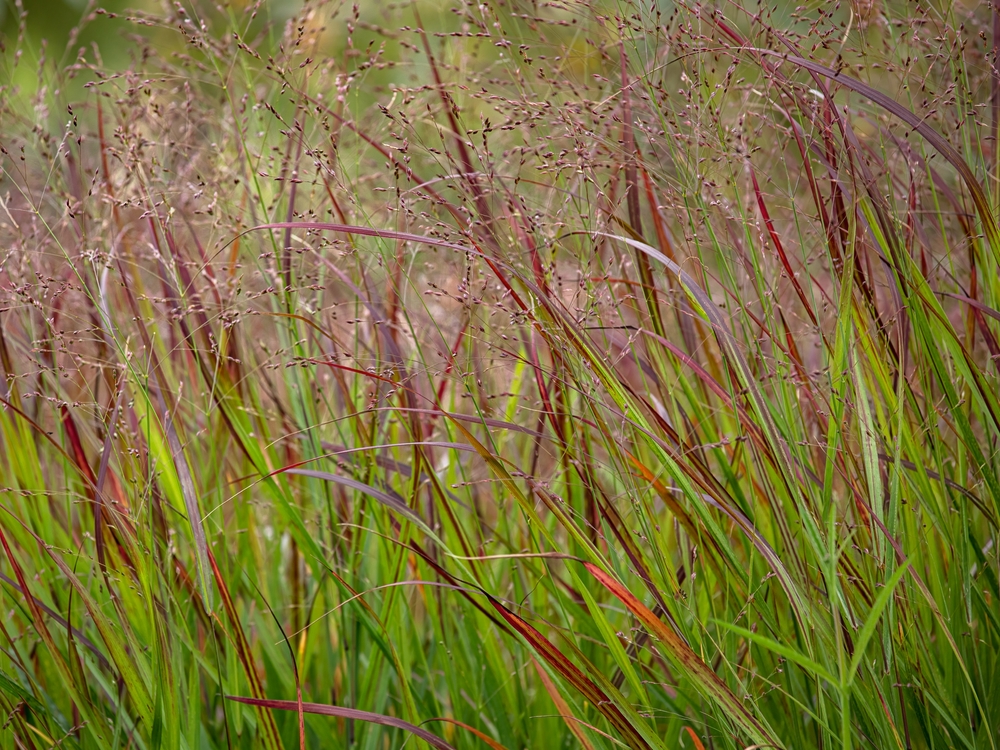
When everything else in your garden has surrendered to frost, ornamental grasses keep the show going. Their tall, feathery plumes catch the low winter sunlight and shimmer with frost crystals on cold mornings, transforming an ordinary backyard into something straight out of a nature documentary. Even when snow piles up, those swaying stalks add shape, motion, and drama to the landscape. Cutting them down too early is like leaving a movie before the final scene—there’s still so much visual magic to enjoy. And if you’ve ever watched grasses dance in the winter wind, you know it’s the kind of quiet beauty that makes chilly mornings worth it.
Nature’s Built-In Bird Feeder
Your ornamental grasses are more than eye candy—they’re a buffet for winter wildlife. As the temperatures drop, birds like sparrows and finches rely on the seed heads for food when other sources are scarce. Those fluffy tufts may look purely decorative, but to a hungry bird, they’re a five-star restaurant. Leaving grasses standing gives local wildlife a much-needed lifeline through the toughest months. And honestly, there’s something joyful about looking out your window and seeing a few fluffed-up chickadees bouncing among the stems.
Insulation for the Roots
Think of the standing grass as a cozy blanket for your garden. The tall stalks trap snow, which acts as natural insulation for the roots beneath. That snow layer helps regulate temperature swings and prevents the ground from freezing and thawing too rapidly—a cycle that can damage roots. By leaving grasses intact, you’re helping protect not just the grasses themselves but nearby plants as well. It’s like giving your garden a warm winter coat instead of sending it into the cold, bare, and shivering.
A Home for Helpful Creatures
If you care about pollinators and beneficial insects, you’ll want to keep your grasses upright until spring. Many insects, including ladybugs and native bees, overwinter in the hollow stems or the leaf bases of ornamental grasses. When you chop everything down in the fall, you’re unintentionally evicting these little garden helpers. Leaving the stalks provides a safe refuge through the cold months, ensuring they emerge ready to keep your garden thriving next year. Come spring, they’ll wake up, stretch their tiny legs, and get right back to work keeping pests in check.
Protecting the Crown
The crown—the base of the plant where the stems meet the roots—is one of the most vulnerable parts of ornamental grasses. When you cut the stalks down too early, that area is exposed to moisture, cold air, and rot. Keeping the grasses intact allows rain and snow to shed more naturally, protecting the crown from excessive wetness and decay. The standing foliage acts like a mini umbrella, deflecting harsh weather while the plant rests. It’s a simple way to help your grasses return stronger, healthier, and more vibrant come spring.
Low Effort, High Reward
One of the best reasons to let your grasses stand? You get to skip a chore now and still have something to look forward to later. There’s no rush to prune when temperatures are dropping and daylight’s short. Waiting until spring means you’ll cut back once the new growth starts showing, giving you a clear sign that it’s safe to trim. Plus, by then, the dried stalks will be more brittle and easier to remove. It’s a rare win-win in the gardening world: less work now, better results later.
The Drama Factor
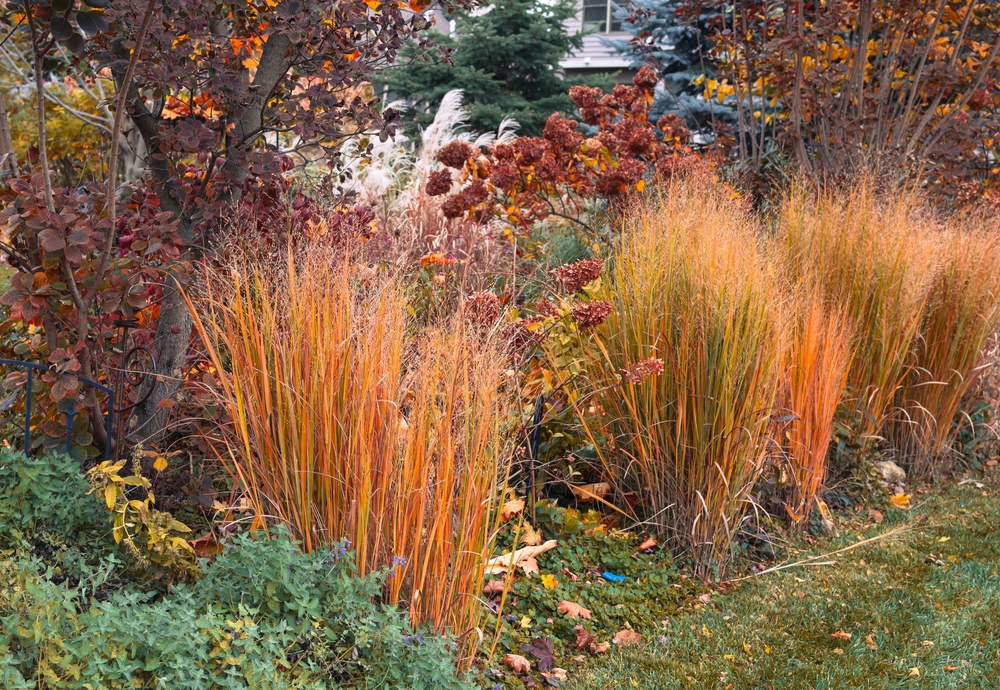
Let’s be real—ornamental grasses add flair. They’re the drama queens of the winter garden, catching snow, bending elegantly in the breeze, and turning ordinary yards into living art installations. While perennials go to sleep and evergreens hold their ground, grasses are out there making winter look glamorous. From golden miscanthus to frosty blue fescue, these plants add height and texture that no mulch bed can match. So before you trim them down, ask yourself: would you rather have a flat, brown garden or one with natural sculpture and movement?
Delayed Gratification Is Worth It
There’s something almost meditative about leaving the garden as it is and letting nature do its thing. The waiting makes spring cleanup feel purposeful instead of tedious. When you finally do cut the grass back—usually once the danger of frost has passed—you’ll notice new green shoots already pushing through. That fresh start feels more rewarding when you know you’ve protected the plant and supported your garden’s ecosystem all winter. Patience might not always be easy, but in this case, it’s the secret to healthier, happier plants.
You’re Helping the Planet (Without Even Trying)
Every time you let ornamental grasses stand through winter, you’re quietly doing something great for the environment. By not cutting back, you’re reducing yard waste, avoiding unnecessary compost hauling, and supporting biodiversity right in your backyard. Those old stalks, seed heads, and tufts are microhabitats that keep ecosystems balanced. When spring finally arrives and you tidy things up, the decomposing material enriches your soil naturally. It’s the kind of effortless, eco-friendly choice that feels good because it’s both beautiful and beneficial.
Let the Grasses Have Their Winter Moment
The urge to tidy up before winter is strong, but resist it—your ornamental grasses deserve their time to shine. They bring texture, life, and unexpected beauty to the coldest months while protecting your garden’s hidden life beneath the surface. More than that, they’re an essential part of nature’s rhythm, providing food, shelter, and stability when everything else slows down. Come spring, you’ll thank yourself for waiting, and your garden will thank you too—with healthier roots, returning pollinators, and fresh, green growth.
Do you leave your ornamental grasses standing through winter? Share your thoughts, experiences, or favorite winter garden photos in the comments section.
You May Also Like…
- 8 Ornamental Grasses That Peak in Fall
- 9 Surprising Reasons You’re Seeing More Dead Patches of Grass
- 10 Ornamental Plants That Glow in Fall Sunlight
- Plant These Berries for a Winter Feast for Birds
- 10 Garden Tasks That Prevent Spring Weeds

Brandon Marcus is a staff writer for FrugalGardening.com at District Media, Inc., where he delivers practical gardening advice with a relatable, no-nonsense style. An avid amateur gardener, he holds a BA degree and with over ten years of professional writing experience, he is also an award-winning published author whose first book, Questions For Deep Thinkers, was released by Adams Media. His work has appeared in major publications including Fandom.com, CHUD.com, TheColdWire.com, and Fansided.com.
Leave a Reply