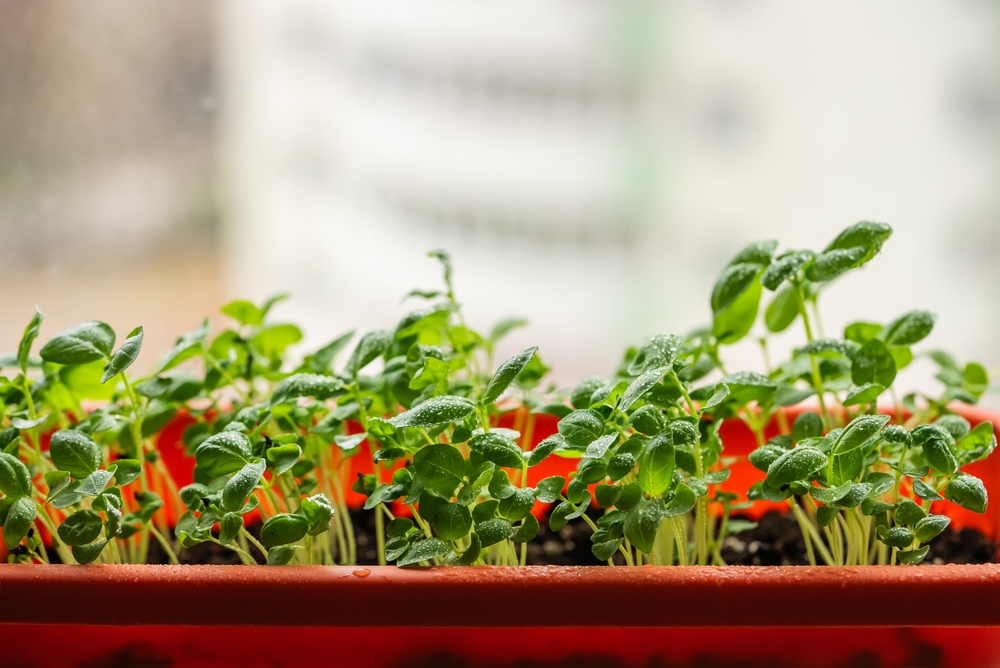
Winter has a way of slowing everything down. Outside, the world seems frozen, the soil hard as concrete, and the promise of spring feels like a distant dream. But inside your warm kitchen or sunlit living room, a tiny revolution can take place: seeds cracking open, delicate green shoots pushing toward the light, and the thrill of growth against the odds.
Starting seeds indoors in winter is more than just gardening; it’s a mini victory against the cold, a spark of life during the bleakest months, and an adventure that might just redefine your entire spring garden.
But before you grab trays, heat mats, and grow lights, is it really worth the effort, expense, and attention it demands?
Understanding The True Costs Of Indoor Seed Starting
Starting seeds indoors isn’t free. Between seed packets, potting soil, containers, lighting, and possibly heating mats, costs can add up quickly. A single tray of high-quality seeds might be only a few dollars, but when multiplied by dozens of plants, the investment grows. Some gardeners report spending over $100 just for a season of indoor planting essentials. On the other hand, the payoff can be considerable: healthier, stronger seedlings that beat the outdoor planting schedule by weeks.
The Science Behind Early Growth Advantages
Plants are living organisms with very specific timing needs. Starting seeds indoors gives them a jumpstart, allowing seedlings to grow strong before the outdoor garden is ready. This early growth can translate into earlier harvests, more abundant flowers, or vegetables that mature faster. Light, temperature, and humidity indoors can be controlled to create optimal conditions for sprouting. Essentially, you’re giving plants a VIP backstage pass to thrive before the outdoor world even wakes up.
Potential Pitfalls That Can Cost You More Than Money
Even the best-intentioned indoor gardening can go sideways. Overwatering, poor lighting, and root crowding can all stunt seedlings or kill them entirely. It’s easy to underestimate how much time and vigilance seedlings require, especially for beginners. Then there’s the inevitable “leggy” seedlings that stretch desperately toward insufficient light. Each mistake may not just cost money, but can dampen your motivation and enthusiasm for gardening.
Comparing Indoor Seed Starting To Direct Outdoor Sowing
For many crops, direct sowing outdoors once the soil is workable is simpler and often cheaper. Radishes, peas, and beans thrive when planted straight into the ground without any indoor fuss. However, crops like tomatoes, peppers, and eggplants benefit enormously from indoor starts because their growing season is longer than the local frost-free period. By analyzing your garden goals and local climate, you can make strategic decisions about which plants truly deserve indoor VIP treatment. This comparison helps prevent wasting time, money, and energy on seeds that could succeed outdoors anyway.
The Role Of Timing In Maximizing Your Garden’s Potential
Winter seed starting is essentially a race against time. Starting too early can result in overgrown, weak seedlings that may need transplanting multiple times. Too late, and you’ve lost the advantage of early growth. Successful indoor seed starting requires careful planning around your region’s frost dates, daylight hours, and the growth requirements of each plant. Mastering this timing can make the difference between a bountiful spring garden and a tray of droopy, disappointed seedlings.
Cost-Saving Strategies For Indoor Seed Enthusiasts
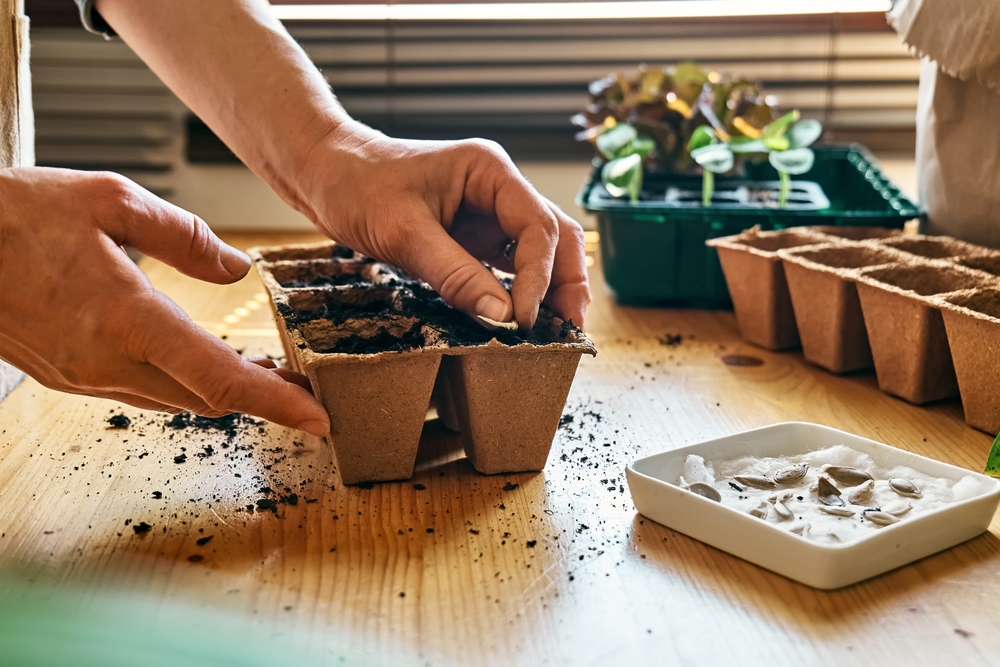
Indoor seed starting doesn’t have to drain your wallet. Reusing containers from takeout food, egg cartons, or yogurt cups can reduce expenses. Seeds can be sourced from previous seasons, swapped with friends, or purchased in bulk for savings. Even sunlight from a south-facing window can replace expensive grow lights for some plants. By combining careful budgeting with thoughtful planning, gardeners can enjoy the thrill of indoor growth without breaking the bank.
Psychological And Emotional Rewards Of Indoor Growing
There’s something undeniably magical about seeing life emerge in the depths of winter. Indoor seed starting offers gardeners an emotional boost, a sense of purpose, and a mental escape from gray skies and frozen ground. The anticipation of transferring a robust seedling outdoors makes every day feel like a mini celebration. Even when seeds fail to germinate, the process teaches resilience, patience, and a deeper understanding of plant biology. These intangible benefits often outweigh any monetary investment and are part of the true value of indoor seed starting.
Evaluating The Overall Worth For Your Garden
Ultimately, indoor seed starting is a personal decision. It’s worth it if your goal is early harvests, experimentation with new plant varieties, or simply the joy of gardening year-round. It may not make sense if costs, time, or space are limited. Gardeners who plan strategically, follow simple care routines, and manage expectations often find it rewarding. By balancing costs with potential gains, both tangible and intangible, you can decide if indoor seed starting aligns with your gardening ambitions.
Weighing The Costs And Benefits For Your Winter Garden
Starting seeds indoors in winter is not just a hobby—it’s a statement of determination, curiosity, and creativity. It can be expensive, time-consuming, and sometimes frustrating, yet the rewards can be significant. Healthier plants, earlier harvests, and the sheer satisfaction of nurturing life in winter often tip the scale toward “worth it.” Whether you’re a seasoned gardener or a curious beginner, weighing costs against benefits will help you decide how far you want to take your indoor seed adventure.
Leave your thoughts or experiences in the comments section below and let us know how winter seed starting has changed your garden.
You May Also Like…
The Smart Way to Store Garden Seeds During the Holidays
How Late-Season Seeds Can Give You a Head Start for Spring
Start These Seeds Indoors Now to Beat Spring Rush
12 Ways to Grow Microgreens Indoors While the Ground is Frozen
10 Terrariums Indoor Greenhouses You Can Set Up This Winter

Brandon Marcus is a staff writer for FrugalGardening.com at District Media, Inc., where he delivers practical gardening advice with a relatable, no-nonsense style. An avid amateur gardener, he holds a BA degree and with over ten years of professional writing experience, he is also an award-winning published author whose first book, Questions For Deep Thinkers, was released by Adams Media. His work has appeared in major publications including Fandom.com, CHUD.com, TheColdWire.com, and Fansided.com.
Leave a Reply