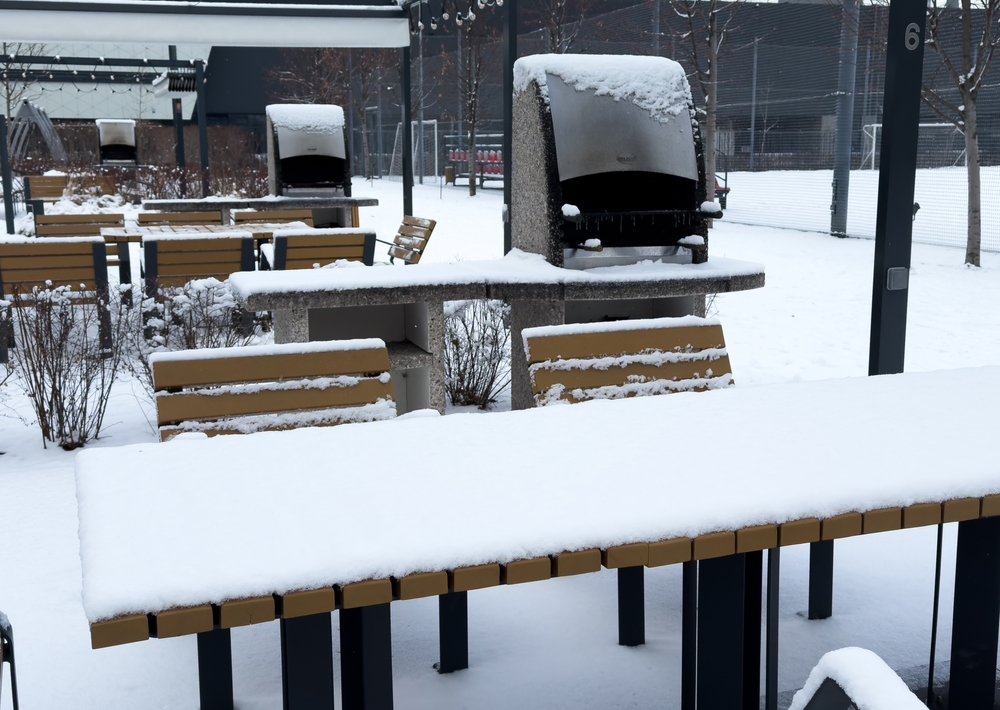
The moment the air gets crisp and the leaves start to drop, your garden furniture and tools begin silently begging for mercy. Winter may look calm and cozy from a kitchen window, but outside it can be absolute chaos for anything left exposed. Frost, moisture, rust, and sudden temperature swings can turn your favorite patio chairs into wobbly relics and your hardworking tools into stiff, unusable lumps of metal.
With a little prep and a few smart habits, you can keep everything in great shape and ready to shine again when spring arrives. So let’s dig into the nine essential steps to winter-proof your outdoor treasures and spare yourself the heartbreak of preventable damage.
1. Clean Everything Thoroughly Before Storing
Cleaning may not be glamorous, but it is the foundation of good winter prep. Dirt holds moisture, and moisture is winter’s best friend and your furniture’s worst enemy. Giving everything a proper scrub ensures you aren’t unknowingly sealing in grime that can stain or damage over time. A quick wash with mild soap, water, and a soft brush goes a long way toward preserving finishes. Once everything is clean, let it dry completely to prevent mold, mildew, and rust from forming during storage.
2. Apply Protective Treatments To Wooden Surfaces
Wood is gorgeous but also incredibly vulnerable during cold, wet months. Applying a weatherproof sealant or oil gives your wooden furniture the armor it needs to survive winter’s relentless attack. This protective layer helps keep moisture out, reducing cracks, warping, and rot. It also revitalizes the natural color of the wood, which winter’s harshness tends to dull. A little treatment now saves you from costly repairs or replacements later.
3. Move Metal Items Out Of The Elements
Metal may seem durable, but winter can still wreak havoc, especially when snow and moisture cause oxidation. Storing metal furniture and tools in a shed, garage, or even under a covered patio prevents rust and corrosion. If you can’t move them indoors, consider applying a rust-resistant spray or coating for extra protection. Covering them securely also reduces exposure to fluctuating temperatures that weaken structural integrity. The less metal sits in winter weather, the longer it’ll last.
4. Use High-Quality Covers For Outdoor Pieces
Not all covers are created equal, and winter will absolutely expose cheap ones. Investing in thick, waterproof, breathable covers is one of the simplest ways to extend your furniture’s lifespan. These covers shield from snow, rain, wind, and freezing temperatures while still allowing airflow to prevent condensation buildup. Make sure the covers fit snugly, because loose ones act like kites in stormy weather. A good cover is like a winter jacket—your furniture deserves one.
5. Drain And Protect Any Furniture With Cushions
Cushions look innocent, but they are moisture magnets waiting to betray you. Before storing them, make sure they are fully dry to avoid mold and foul odors by spring. Keeping them in airtight or sealed containers helps block out humidity and pests. If your cushions have removable covers, washing them first gives everything a fresh start. Stored properly, they’ll be fluffy, clean, and ready when outdoor season returns.
6. Sharpen And Oil All Garden Tools
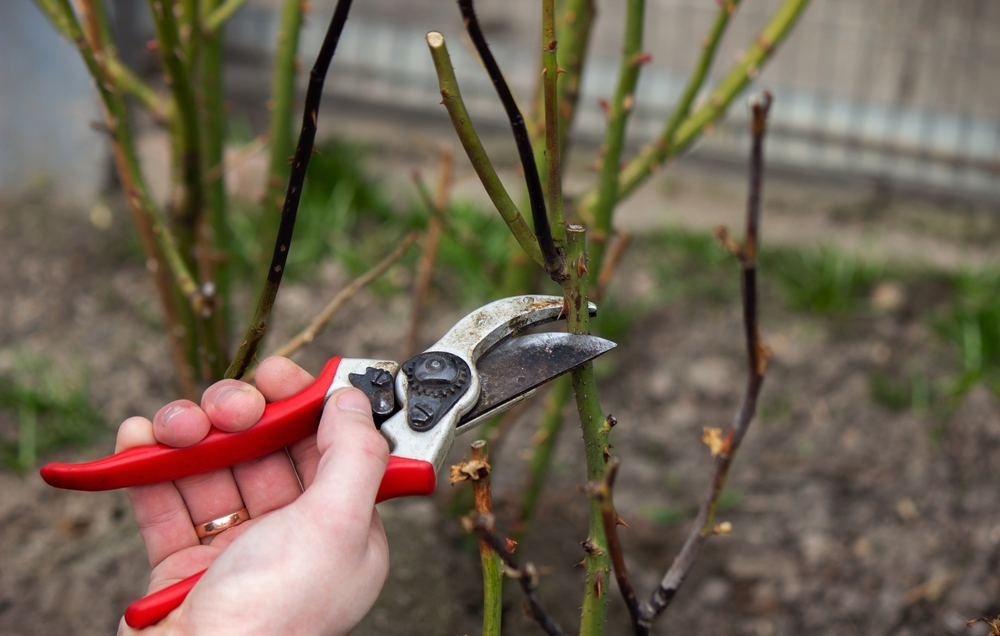
Winter is the perfect time to give your tools a bit of TLC. Sharpening blades now means you’ll hit the ground running when spring arrives instead of wrestling with dull edges. Oiling metal parts keeps rust away during long periods of non-use, especially when temperatures fluctuate. Cleaning tool handles and tightening any loose screws extends their working life and helps prevent accidents later. A well-maintained tool collection is a gardener’s secret superpower.
7. Store Tools Vertically And Off The Ground
Leaving tools on the ground during winter is asking for trouble, as moisture creeps in from every direction. Storing them vertically keeps them dry and reduces the chance of handles warping or metal rusting. Using hooks, pegboards, or wall racks makes organizing easier and protects tools from accidental damage. It also maximizes your storage space, making the area easier to maintain. A tidy storage setup keeps your tools safer and your winter sanity intact.
8. Protect Plastic Furniture From Cracks
Plastic furniture may look sturdy, but cold weather makes plastic brittle and prone to cracking. Storing these pieces indoors or at least under covered shelter keeps them safe from freezing temperatures. Cleaning them first ensures that grime doesn’t stick or stain while they sit for months. If indoor storage isn’t possible, stack them neatly and cover them tightly to minimize exposure. Treat plastic with care and it’ll reward you with years of durability.
9. Inspect Everything For Damage Before Storing
Winter doesn’t magically fix existing problems—it makes them worse. Before storing furniture and tools, look for loose screws, peeling paint, frayed fabric, or rust spots. Addressing small issues now prevents them from turning into big headaches later. A quick inspection also helps you plan what might need replacing or repairing when gardening season rolls back around. Think of it as sending your items into winter fully prepared instead of limping into hibernation.
Get Ready To Protect Your Outdoor Essentials
Winter may be harsh, but with smart preparation, your garden furniture and tools don’t have to suffer a seasonal beating. These nine steps offer a simple, effective routine that protects your investment and keeps everything looking sharp and functioning beautifully. Taking action now means less work and fewer surprises when spring returns.
What steps do you take to protect your garden gear from winter damage? Let’s hear about it.
You May Also Like…
Why Now Is the Time to Sharpen, Oil, and Store Your Garden Tools
9 Garden Tools You’ll Use More in Fall Than Summer
10 Tools Worth Sharpening Before Winter
9 Types of Mulch That Best Protect Roots from Winter Freeze
11 Tools You’ll Need for Your Winter Garden Setup

Brandon Marcus is a staff writer for FrugalGardening.com at District Media, Inc., where he delivers practical gardening advice with a relatable, no-nonsense style. An avid amateur gardener, he holds a BA degree and with over ten years of professional writing experience, he is also an award-winning published author whose first book, Questions For Deep Thinkers, was released by Adams Media. His work has appeared in major publications including Fandom.com, CHUD.com, TheColdWire.com, and Fansided.com.
Leave a Reply