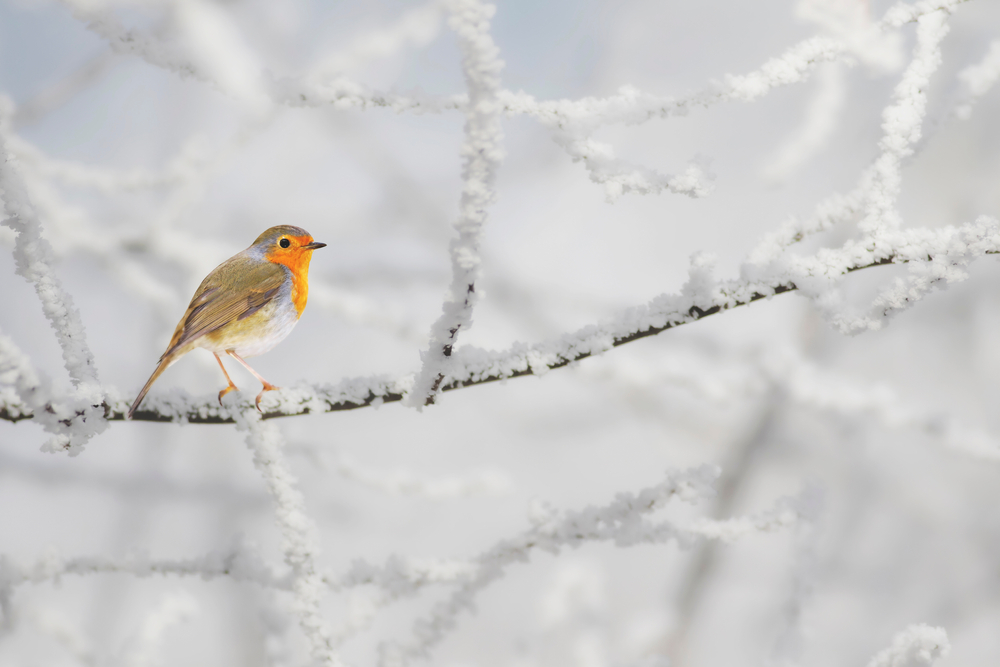
December might be the month of cozy blankets, festive lights, and hot drinks, but for wildlife, it’s a season of survival. As temperatures drop and natural food sources shrink, the creatures that flutter, scamper, and rustle through your garden are working overtime to stay warm and fed. Many homeowners assume gardening is a spring or summer activity, yet winter is when small choices in your yard have an outsized impact on local ecosystems.
A wildlife-friendly garden in December can become a winter sanctuary—one that supports life even when everything looks quiet and still. If you’ve ever wondered whether your outdoor space is helping or hindering the animals that share your neighborhood, this is the perfect moment to find out.
Winter Food Sources Matter More Than You Think
Food scarcity is the number one challenge for wildlife in December, making your garden’s buffet options critically important. Birds rely heavily on seed heads left on perennials and any remaining berries on shrubs, while small mammals appreciate fallen nuts or fruit you might usually clear away. When gardens are overly tidy, animals lose these vital calories that help them survive cold nights. Even a single feeder stocked consistently can become a lifeline for winter birds. By choosing high-energy foods like sunflower hearts or suet, you transform your garden from a barren landscape into a reliable winter pantry.
Shelter Is a Winter Necessity, Not a Garden Bonus
Shelter becomes as essential as food during December, when freezing winds and icy rain can make nights brutal. Piles of leaves, hollow stems, and thick shrubs provide micro-habitats that protect insects, birds, and mammals from the worst of the cold. While tidying up might feel productive, leaving certain areas untouched can make all the difference for overwintering creatures. Even simple additions like a brush pile or an untouched corner can create valuable refuge. When your garden offers varied hiding places, you essentially become a hotelier for the hardiest guests nature sends your way.
Water Sources Are More Important Than Ever
Water may seem abundant during winter, but freezing temperatures can make it inaccessible to wildlife when they need it most. Birds, squirrels, and even the smallest insects rely on liquid water for drinking and, in some cases, cleaning their feathers or bodies. A shallow dish refreshed daily—or with ice carefully broken each morning—can attract more wildlife than some food sources. Adding a few pebbles to help smaller creatures perch safely makes the water feature even more useful. When you keep water available all month long, your garden becomes a reliable oasis no matter how cold it gets.
Native Plants Continue Helping Even When Dormant
Native plants don’t stop benefiting wildlife just because they’re not blooming in December. Their seed heads, branches, and root systems all play important roles during winter months. They provide shelter for insects, insulation for soil organisms, and perches for winter birds scanning for food. Many native shrubs hold onto berries deep into the season, offering a natural feast when few other options remain. Keeping native vegetation intact throughout winter ensures your garden contributes to the ecosystem even in its quietest phase.
Avoiding Chemicals Protects Winter Survival Cycles
Even in cold weather, chemical use in gardens can disrupt delicate ecological balances that wildlife depends on. Pesticides linger in the soil and on dormant plants, affecting birds that forage, insects that overwinter, and mammals that dig for food. By skipping harsh sprays and fertilizers in December, you allow natural processes to continue without interruption. Healthy soil, free from chemical interference, supports countless unseen organisms essential to the winter food chain. A chemical-free garden ensures that what little life remains active in December stays safe and thriving.
Small Gestures Make a Big Difference for Winter Birds
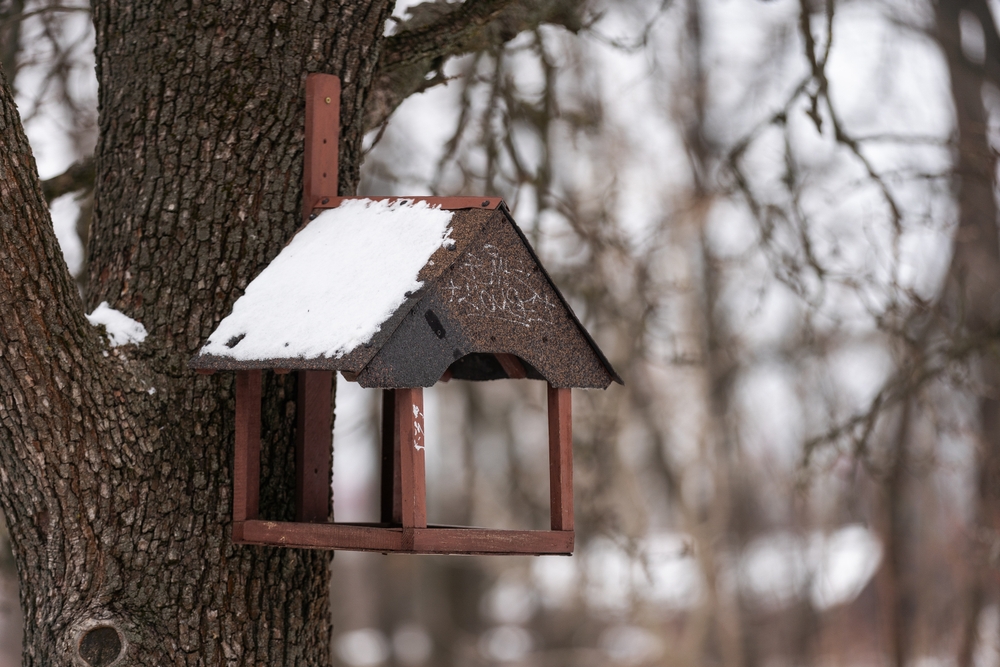
Birds are some of the most visible winter visitors, and their needs are surprisingly easy to support. Clean feeders filled regularly can attract a variety of species, bringing color and activity to your frosty garden. Evergreen trees and shrubs offer shelter not only from predators but also from harsh weather. Providing a few nesting pockets or bird boxes gives feathered friends safe places to rest during freezing nights. When birds feel welcome, your garden becomes livelier—and better balanced—throughout the entire month.
Insects Need Winter Support Too
Though you may not see many insects in December, they are still present, tucked away in hidden corners of your garden. Ladybugs cluster in leaf piles, solitary bees hibernate in hollow stems, and butterflies overwinter as chrysalises beneath bark. Leaving natural debris undisturbed helps these tiny creatures survive until spring. Insect-friendly practices, even in winter, support birds and small mammals that depend on them as a food source. A truly wildlife-friendly December garden recognizes that insects are the foundation of the entire ecosystem.
Your Garden’s Layout Affects How Wildlife Uses It
Even in winter, the physical structure of your garden influences how wildlife moves through and shelters within it. Gardens with variety—tall plants, low plants, open areas, and tucked-away hiding spots—naturally host more species. Smooth lawns provide little value during December, while textured landscapes give animals places to explore and refuge from cold winds. Borders filled with shrubs, perennials, and native grasses help create warm pockets that trap heat. The more layers your garden has, the more winter-friendly it becomes.
Winter Wildlife Needs Garden Allies
Creating a wildlife-friendly garden in December doesn’t require grand landscaping or complicated planning. A few thoughtful choices—less tidying, consistent food, available water, and respect for nature’s rhythms—can turn any outdoor space into a haven for struggling creatures. Supporting wildlife during winter helps preserve the delicate balance that makes spring so vibrant and alive.
Your garden can be a lifeline during the hardest month of the year, offering warmth and nourishment when it matters most. Have tips, stories, or winter garden questions of your own? Share them in the comments section below.
You May Also Like…
Why You Should Be Planting Bulbs in December, Not Spring
12 Garden Maintenance Chores for December That Avoid Spring Stress
Why Mulching in December Can Save Your Spring Garden
7 Birds And Wildlife Friendly Plants to Add in Winter
How Wildlife Relies on Your Fall Garden for Survival

Brandon Marcus is a staff writer for FrugalGardening.com at District Media, Inc., where he delivers practical gardening advice with a relatable, no-nonsense style. An avid amateur gardener, he holds a BA degree and with over ten years of professional writing experience, he is also an award-winning published author whose first book, Questions For Deep Thinkers, was released by Adams Media. His work has appeared in major publications including Fandom.com, CHUD.com, TheColdWire.com, and Fansided.com.
Leave a Reply