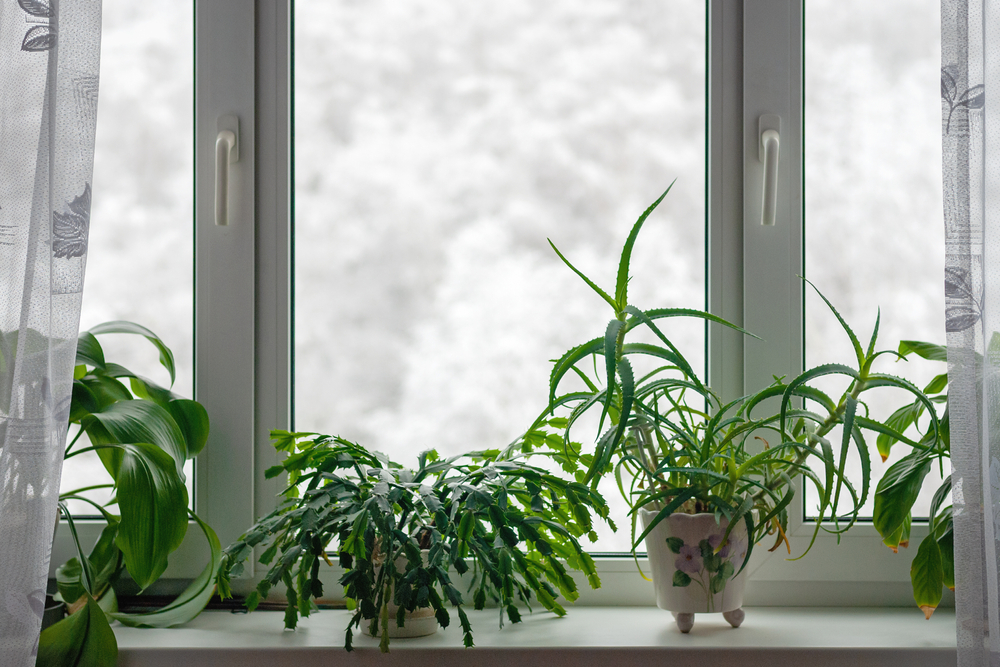
As the days grow shorter and frost edges closer, your garden may be whispering one last goodbye. But not all plants are ready to bid farewell to sunlight and warmth just yet. Some can be rescued, brought indoors, and nurtured through the winter months to thrive again next spring.
Overwintering plants is part science, part adventure, and all about giving your green friends a second chance at life. If you’re ready to roll up your sleeves and bring a splash of garden magic inside, here’s a list of 13 plants that deserve a winter reprieve.
1. Hydrangeas
Hydrangeas are famous for their big, show-stopping blooms that make any garden feel like a fairytale. When frost threatens, you can pot them up and bring them inside, ideally somewhere bright but away from direct heat. The key is to reduce watering compared to summer levels while keeping the soil just moist enough to prevent shriveling. They appreciate a cool room—around 50 to 60 degrees Fahrenheit—to simulate winter dormancy. Come spring, a little patience and sunlight will coax those buds to blossom once again.
2. Fuchsias
Fuchsias are delicate beauties with dangling, jewel-like flowers that brighten any corner of the garden. Before frost arrives, trim them lightly and pot them up to bring indoors. They enjoy a cooler spot with bright, indirect light, such as a sunroom or a window sill. Keep watering minimal, just enough to prevent complete dehydration, and avoid fertilizing until the growing season returns. With care, these vibrant plants will reward you with a fresh flush of blooms next year.
3. Geraniums
Geraniums are hardy in summer but need protection from the chill to survive winter. Cutting them back by about a third before bringing them inside helps prevent legginess and encourages new growth when spring arrives. They thrive in bright, sunny rooms and only require light watering to maintain the roots. Keep them away from drafty windows, which can shock the plant. By overwintering geraniums, you’ll save months of nursery trips and enjoy strong, early blooms next season.
4. Begonias
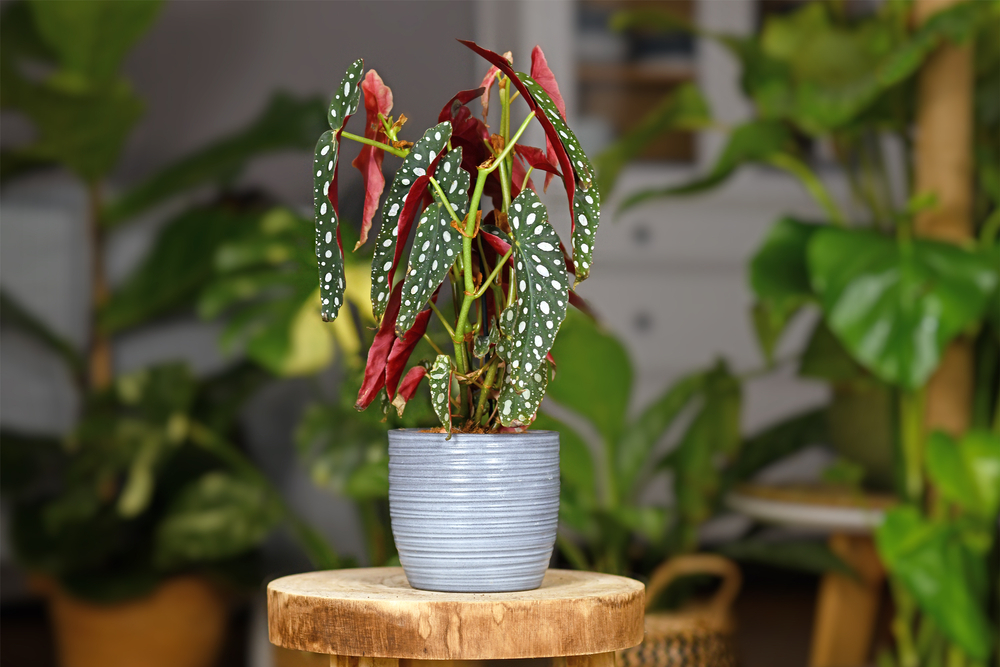
Begonias are showstoppers with their colorful flowers and textured foliage, but they can’t withstand frost. Before moving them indoors, inspect for pests and remove any damaged leaves. A well-lit room and moderate watering keep them alive through the colder months. They prefer a humid environment, so misting occasionally or placing a tray of water nearby works wonders. Overwintering begonias allows their stems to thicken and leaves to shine when spring returns.
5. Dahlia Tubers
Dahlias are summer favorites, but the frost is a killer for their tubers. Carefully dig up the tubers, brush off excess soil, and store them in a cool, dark, and dry spot until planting time. Make sure they don’t touch each other to prevent rot. Some gardeners wrap them in newspaper or peat moss to keep moisture levels just right. When spring arrives, these rescued tubers will give you vigorous, towering blooms without starting from scratch.
6. Cannas
Cannas bring a tropical flair to any garden, but their roots cannot survive a hard freeze. Dig up the rhizomes before frost and allow them to dry for a day or two. Store them in a cool, ventilated location with slightly damp peat moss or sand to prevent shriveling. Check them occasionally for mold or dryness throughout the winter. In spring, replanting these gladiator-like plants will create a bold statement in your outdoor space once again.
7. Coleus
Coleus is loved for its vivid, kaleidoscope-colored leaves that bring a pop of brightness to borders. Before temperatures dip, trim back leggy stems and bring them indoors. They thrive near windows with bright, indirect light, and soil should be kept lightly moist but not soggy. Pruning encourages fuller growth when spring comes, and you might even propagate cuttings to expand your indoor garden. This plant makes a cheerful winter companion while preparing to dazzle outdoors again.
8. Lavender
Lavender may seem hardy, but its delicate roots can suffer in prolonged frost. Potted lavender can move indoors to a sunny window where it can continue photosynthesis without harsh cold exposure. Water sparingly; too much moisture in winter can rot the roots. Good airflow is essential, so avoid cramming plants into tiny corners. Overwintered lavender often produces more robust and fragrant blooms in the garden come summer.
9. Rosemary
Rosemary’s fragrant needles and woody stems are irresistible in gardens and kitchens alike, but frost can be fatal. Pot it up and place it near a sunny window, ideally where temperatures stay cool but stable. Water it lightly—rosemary is drought-tolerant and prefers soil that dries out slightly between waterings. A little occasional pruning keeps it compact and bushy for winter survival. Come spring, your indoor rosemary can return to the garden or remain as a ready herb source.
10. Hellebores
Hellebores, or Christmas roses, offer winter interest with their unique flowers, but they benefit from being protected indoors when frost bites. Potted hellebores enjoy bright light and well-draining soil. Avoid overwatering, as these plants are naturally drought-tolerant. Bringing them inside allows you to enjoy their blooms when outdoor conditions are harsh. Once spring arrives, they’re ready to rejoin your outdoor beds with even stronger growth.
11. Scented Pelargoniums
These aromatic cousins of geraniums are delightful indoors and can survive the winter with the right care. Trim them slightly and place them in a sunny location where temperatures remain consistent. Light watering is sufficient; overwatering can lead to root rot. Their leaves continue to produce fragrance, brightening indoor spaces during grey winter months. By spring, these fragrant plants return to the garden ready for summer scents.
12. Sweet Potatoes Vines
Sweet potato vines are fast-growing, vibrant, and full of energy—but frost will stop them in their tracks. Dig up tubers and plant them in pots to keep indoors over winter. Place them near light sources and water moderately to maintain healthy foliage. They’ll continue to climb and trail beautifully throughout the colder months. Rescuing these vines ensures a lively display for next year without losing any of their tropical appeal.
13. Fennel
Fennel is a hardy garden favorite with flavorful stalks, but prolonged frost can damage its bulb. For winter protection, pot fennel plants indoors with plenty of light and well-draining soil. Keep watering regular but controlled, and pinch off any yellowing leaves to maintain vigor. Indoor fennel allows you to harvest fresh stalks throughout the winter. Come spring, your rescued plants return to the garden robust and ready for the growing season.
Give Your Garden Friends A Second Chance
Overwintering plants is a rewarding combination of patience, care, and a touch of adventure. Bringing them indoors not only saves them from frost but also brightens your home with greenery, fragrance, and life during colder months. Each rescued plant has the potential to return to the garden even stronger, giving you a head start for next season.
Which of these plants have you successfully rescued, or do you have other indoor winter favorites? Share your thoughts, tips, and stories in the comments section.
You May Also Like…
Do Holiday Plants Belong in Your Outdoor Garden or Just Indoors?
Top 6 Affordable Grow Lights for Thriving Indoor Plants
Are Indoor Herb Gardens Worth It During the Cold Months?
9 Crops That Overwinter for a Spring Harvest
How to Spot Overwintering Insects in Mulch

Brandon Marcus is a staff writer for FrugalGardening.com at District Media, Inc., where he delivers practical gardening advice with a relatable, no-nonsense style. An avid amateur gardener, he holds a BA degree and with over ten years of professional writing experience, he is also an award-winning published author whose first book, Questions For Deep Thinkers, was released by Adams Media. His work has appeared in major publications including Fandom.com, CHUD.com, TheColdWire.com, and Fansided.com.
Leave a Reply