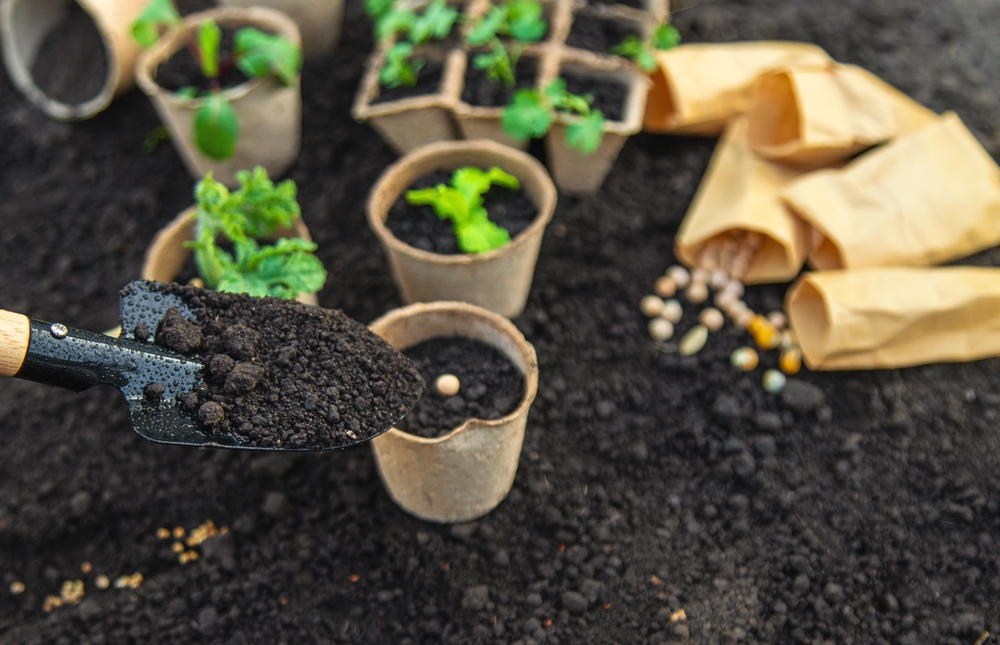
Every winter, gardeners brace themselves for frost, snow, and the eerie silence of hibernating plants. But while you’re focused on cold snaps and frozen leaves, there’s a silent saboteur beneath your boots—bad drainage. It creeps in quietly, turning healthy soil into a soggy, lifeless mess before spring even begins. You might think your plants are dying from the cold, but in reality, they’re drowning in their own backyard.
The truth? Most garden woes in winter start not from temperature, but from trapped water that your soil simply can’t handle.
How Poor Drainage Wreaks Havoc on Your Soil
When your garden doesn’t drain properly, every rainfall or snowmelt sits in the soil far too long. Instead of oxygen, your plant roots are surrounded by stagnant water, suffocating them slowly. This standing water creates the perfect environment for fungal diseases, root rot, and the breakdown of soil structure. Once the soil becomes compacted and waterlogged, nutrients have a hard time circulating—and your once-fluffy, fertile garden bed turns into something closer to concrete. Over time, this not only kills your plants but also permanently damages your soil’s ecosystem.
The Hidden Signs Your Garden Has a Drainage Problem
Here’s the tricky part—many gardeners don’t even realize their soil has poor drainage until it’s too late. You might notice slow growth, yellowing leaves, or even patches of moss taking over your flowerbeds. Puddles that linger more than a day after rain are a big red flag, as is soil that feels heavy and sticky when you pick it up. In winter, those same wet spots can freeze solid, compacting your soil even further. By spring, you’re left with a patchy mess that refuses to drain, breathe, or bloom.
The One Mistake Everyone Makes: Ignoring the Slope
Most gardeners think drainage issues come from poor soil alone, but often it’s the land’s slope that’s to blame. If your yard doesn’t have a natural grade that directs water away, that moisture will collect in the lowest points—usually right where you’ve planted your favorite shrubs. Flat gardens might look beautiful in summer, but come winter, they trap meltwater like a bowl. The result? Frozen puddles, suffocated roots, and a spring season spent trying to undo months of silent damage. The easiest fix? Assess your landscape and ensure water flows naturally downhill and away from plant beds.
Clay Soil: The Secret Culprit Behind Winter Waterlogging
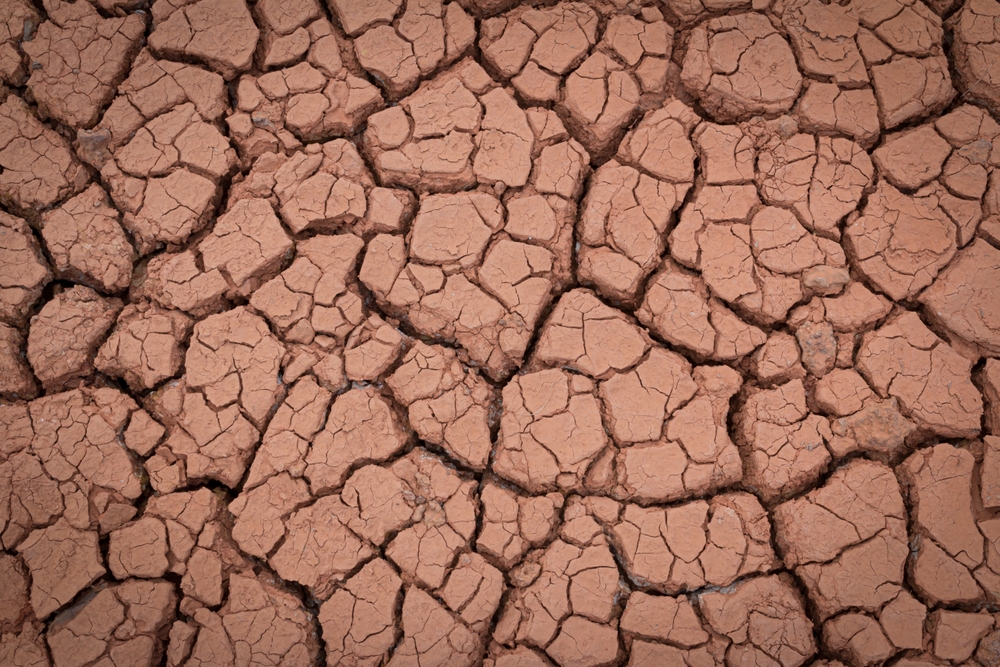
If your garden feels heavy and slick in winter, chances are you’re dealing with clay soil. Clay is notorious for holding onto water because its particles are tiny and tightly packed. Once it becomes saturated, it’s nearly impossible for oxygen or roots to penetrate. During freezing temperatures, this moisture expands, compacting the soil even more and strangling root systems. Without intervention—like adding organic matter or creating proper drainage channels—your clay-heavy garden will continue to choke year after year.
The Fix You’re Probably Avoiding: Amending Your Soil
Improving drainage isn’t glamorous work, but it’s absolutely vital. Adding organic materials like compost, bark chips, or coarse sand can transform dense soil into a more breathable, balanced structure. The goal is to let water pass through instead of pooling on the surface. Many gardeners skip this step because it takes time and effort, but a few hours of soil amending in fall can save you an entire spring of frustration. Remember, the healthier your soil’s structure, the less water it holds—and the better your plants survive winter.
Why Raised Beds Are a Winter Savior
If your garden constantly battles water retention, raised beds might be your best friend. By lifting your soil above ground level, you automatically improve drainage and give roots a better oxygen supply. They also prevent water from freezing around your plants’ roots, reducing winter rot. Even a small elevation can make a big difference when snow starts melting in late winter. The bonus? Raised beds warm up faster in spring, giving your plants a head start before the rest of your garden thaws out.
The Myth of Mulching Over Waterlogged Soil
Mulching is often praised as a winter must-do, but timing is everything. If you pile mulch over soil that’s already saturated, you’re essentially sealing in the moisture. Instead of protecting your plants, you’re trapping cold water around their roots, creating a swampy freeze zone. The trick is to wait until the ground is slightly damp—but not soaked—before adding your winter mulch. This allows your soil to breathe while still staying insulated against harsh weather.
Drainage Maintenance: The Step Everyone Forgets
Good drainage isn’t a one-time fix—it’s a routine. Leaves, mud, and debris can clog even the best-laid garden drains or trenches. Every autumn, it’s worth checking that gutters, French drains, and garden pathways are clear of blockages before the rain and snow hit. Water should always have a clear escape route away from your beds and lawn. Skipping this step can undo all your hard work and leave you with the same waterlogged mess year after year.
Testing Your Soil Before Winter Hits
Before winter rolls in, a quick soil drainage test can save you a world of trouble. Dig a hole about a foot deep, fill it with water, and see how long it takes to drain. If the water is still sitting there after a few hours, you’ve got a problem. Healthy soil should drain completely within that timeframe. Doing this simple check each fall helps you catch issues early, long before the ground freezes solid and repairs become impossible.
Don’t Let Water Win This Winter
Every gardener dreams of lush spring blooms, but that dream depends on the invisible battles happening underground all winter long. Poor drainage quietly destroys your soil’s health, robbing your plants of oxygen and nutrients while setting the stage for rot and disease. The good news? With a little awareness and preparation, you can stop water from waging war on your garden’s roots. So this winter, instead of blaming the frost, look down—your soil might be crying for help.
Have you ever battled drainage problems in your garden? Share your stories, tips, or near-misses in the comments below.
You May Also Like…
- Why Clay Soil Behaves Differently in Fall
- 6 Flower Beds That Benefit From Fall Re-Edging
- How Frost Heaves Damage Roots in Winter
- How Mulched Leaves Reduce Soil Erosion
- 9 Root Vegetables to Store in Sand This Winter

Brandon Marcus is a staff writer for FrugalGardening.com at District Media, Inc., where he delivers practical gardening advice with a relatable, no-nonsense style. An avid amateur gardener, he holds a BA degree and with over ten years of professional writing experience, he is also an award-winning published author whose first book, Questions For Deep Thinkers, was released by Adams Media. His work has appeared in major publications including Fandom.com, CHUD.com, TheColdWire.com, and Fansided.com.
Leave a Reply