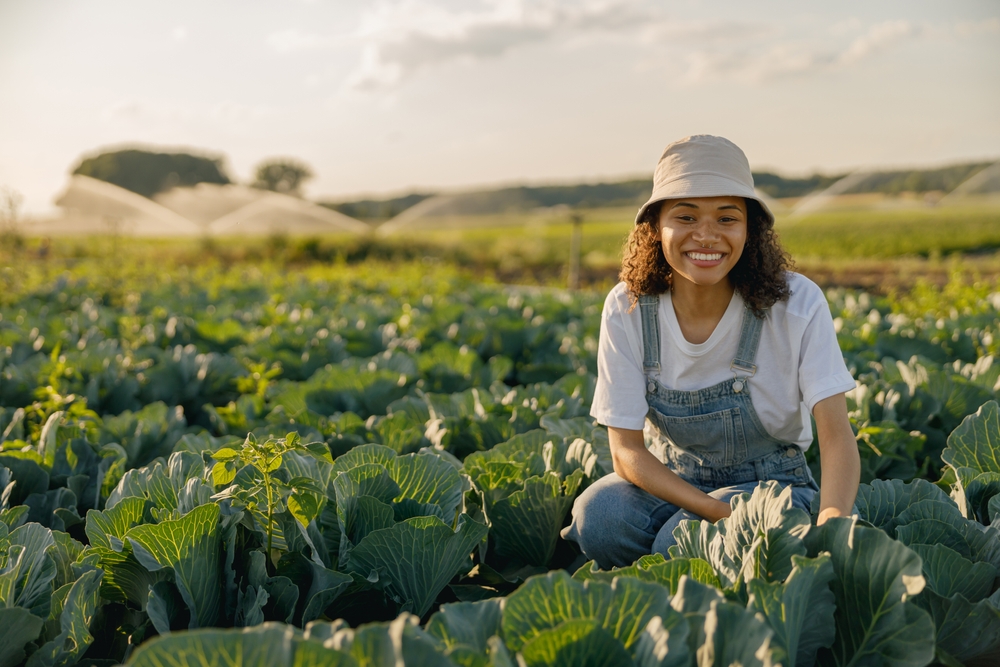
The food on the dinner table has quite a story to tell, and more often than many people realize, a woman helped write it. From tending vegetable fields before sunrise to managing orchards, livestock, vineyards, beehives, and bustling farm businesses, women help keep food moving from the soil to the supermarket. Their work rarely grabs headlines, but it touches nearly every meal.
That is one reason the United Nations declared 2026 the International Year of the Woman Farmer. The year shines a spotlight on the women who grow, harvest, process, and sell food while encouraging greater access to land, education, financing, technology, and leadership opportunities. It also reminds consumers that agriculture looks very different today than it did just a generation ago, and women stand at the center of many of those changes.
Women Have Always Helped Feed the World
Walk through almost any farming community and one thing quickly becomes clear. Women wear dozens of hats before lunchtime, often moving from checking crops to caring for livestock, balancing business records, running farm markets, or preserving the season’s harvest. Farming rarely fits neatly into one job description, and many women handle several roles every single day.
Despite those enormous contributions, their work has often remained behind the scenes. The International Year of the Woman Farmer celebrates every woman involved in agrifood systems, whether she grows tomatoes on a family farm, raises cattle, manages a greenhouse, keeps bees, catches fish, processes food, or sells produce at a local market. The goal reaches far beyond recognition. It also encourages practical steps that help women build stronger businesses and stronger rural communities.
Modern Farming Looks Different Than Many People Imagine
Forget the old image of one person driving a tractor across an endless field. Today’s farms often rely on technology, business planning, soil science, marketing, and careful resource management alongside plenty of hard physical work. Many female farmers now use drones to inspect crops, monitor irrigation systems from smartphones, sell directly through online marketplaces, or connect with customers through social media.
The changes do not stop with technology. Women continue introducing creative ways to diversify farm income through flower farming, specialty herbs, agritourism, artisan food products, community-supported agriculture programs, and farm-to-table partnerships. A weekend sunflower field filled with visitors taking family photos may look like fun, but behind every bloom sits smart planning and another example of modern agriculture adapting to changing consumer interests.
Healthy Soil Builds Healthy Communities
Successful farmers know healthy soil never happens by accident. Building organic matter, planting cover crops, rotating crops, and protecting beneficial insects all take patience and long-term thinking. Many women place those practices at the heart of their operations because healthier soil supports healthier harvests while helping farms stay productive for future generations.
Home gardeners can borrow plenty of those same ideas. Compost kitchen scraps, mulch garden beds, reduce unnecessary tilling, and plant flowers that attract pollinators. Those simple habits create healthier growing spaces whether someone manages a thousand acres or a few raised beds behind the house. Good gardening and good farming often follow the very same playbook.
Breaking Barriers Opens New Opportunities
Running a farm has never been easy. Weather changes without warning, equipment breaks at the worst possible moment, and market prices rarely stay predictable. Many women also face additional obstacles, including limited access to land ownership, financing, agricultural training, and business resources compared with their male counterparts. The International Year of the Woman Farmer encourages governments, organizations, and communities to close those gaps and expand opportunities across agriculture.
Those improvements benefit far more than individual farmers. When women gain better access to education, technology, financial services, and decision-making opportunities, entire farming communities become stronger. New ideas spread more quickly, family farms gain stability, and local food systems become more resilient when every farmer has a fair opportunity to succeed.
Every Grocery Cart Connects Back to a Farm
Most grocery shoppers spend far more time comparing salad dressings than thinking about who grew the lettuce. Yet every apple, loaf of bread, carton of eggs, jar of honey, and basket of strawberries begins with someone’s early morning alarm clock. Female farmers play an important role at nearly every step of that journey, from planting seeds to bringing products to market.
Supporting local farms offers one of the easiest ways to recognize that work. Shopping at farmers markets, visiting farm stands, joining community-supported agriculture programs, or simply learning where food comes from helps build stronger connections between consumers and the people raising their food. Every purchase tells farmers that quality, care, and local agriculture still matter.
A Year Worth Celebrating Long After 2026
The International Year of the Woman Farmer celebrates far more than one profession. It recognizes innovation, determination, resilience, and generations of knowledge that continue shaping the future of food. While the calendar may eventually turn to 2027, the conversations started during this global observance can encourage lasting improvements across agriculture and inspire the next generation of women to build careers in farming.
Whether someone grows tomatoes in a backyard garden or manages hundreds of acres, one truth remains the same. Strong farms build strong communities, and women continue helping lead that effort every single day. The next time fresh vegetables land on the kitchen counter or flowers brighten a table, there is a good chance a woman farmer helped make that moment possible.
What role do you think women will play in shaping the future of farming, and have you ever met a female farmer whose story inspired you? Give us your thoughts in the comments below.
You May Also Like…
9 Vegetables That Produce the Most Food for the Least Money
How Much Money Can You Really Save Growing Your Own Food?
Stop Paying Grocery Store Prices: The 1 Backyard Move That Cuts Your Food Costs
Why More People Are Turning Balconies Into Mini Food Farms
Why Gardening Content Is Suddenly Dominating Social Media Again

Brandon Marcus is a staff writer for FrugalGardening.com at District Media, Inc., where he delivers practical gardening advice with a relatable, no-nonsense style. An avid amateur gardener, he holds a BA degree and with over ten years of professional writing experience, he is also an award-winning published author whose first book, Questions For Deep Thinkers, was released by Adams Media. His work has appeared in major publications including Fandom.com, CHUD.com, TheColdWire.com, and Fansided.com.
Leave a Reply