
Crunching leaves underfoot is a fall tradition. The rake comes out, the yard bags fill up, and somewhere in the back of your mind, you hear your grandparents saying, “A tidy lawn is a healthy lawn.” But what if they were wrong? What if all those hours spent raking, bagging, and dragging leaf piles to the curb are not only unnecessary, but actually harmful to your yard?
New research and a growing wave of low-effort lawn care enthusiasts are embracing a simple truth: your lawn doesn’t want you to rake. It wants you to let those leaves stay put, settle in, and work their magic. And yes—your grass will thank you for it.
Leaves Are Natural Fertilizer
Leaves are full of nutrients pulled up from deep in the soil during the tree’s growth cycle. When they fall and decompose, they release those nutrients back into the ground, creating a natural fertilizer your lawn would otherwise need to get from store-bought products. Instead of spending money on chemical boosters, simply allowing leaves to stay put returns nitrogen, carbon, and trace minerals to the earth. These nutrients feed the microorganisms that help your soil become richer and more supportive for grass growth. It’s one of nature’s simplest recycling systems, and we’ve been interrupting it for decades with rakes and plastic bags.
Leaf Cover Protects Soil From Winter Damage
When winter hits, exposed soil suffers. Wind, frost, and shifting temperatures can break down the top layer of soil, leaving your grass struggling to recover in the spring. A layer of leaves acts like a warm blanket, shielding the earth and maintaining healthier moisture levels underneath. Instead of bare, brittle patches of lawn emerging in April, you get soil that stayed supple and more nutrient-rich through the cold months. This protective cushion means your lawn wakes up faster and greener when the thaw arrives.
Leaves Support Crucial Insect Life
Those big piles of leaves you drag to the curb? They’re the winter homes of caterpillars, beetles, butterflies-in-waiting, and all kinds of tiny beneficial insects. When we remove leaves, we’re unknowingly removing entire micro-ecosystems. These insects play a huge role in pollination, gardening, and feeding birds come spring. A leaf-covered lawn can become a haven for biodiversity, strengthening your yard as a mini-environment rather than just a patch of grass. If you want a yard that hums with life, leaving the leaves is the simplest place to start.
Mulching Is the Secret Weapon
Let’s be clear: we’re not saying leave your lawn buried under knee-high drifts of leaves. The trick is mulching. Simply running over the leaves with a mower breaks them into smaller pieces that settle naturally into the grass. This keeps the lawn healthy without smothering it and also speeds up decomposition. A mulched layer looks neat, nourishes the soil, and saves you hours of raking—making it a win for both your lawn and your Saturday schedule.
Wildlife Depends On Leaf Layers
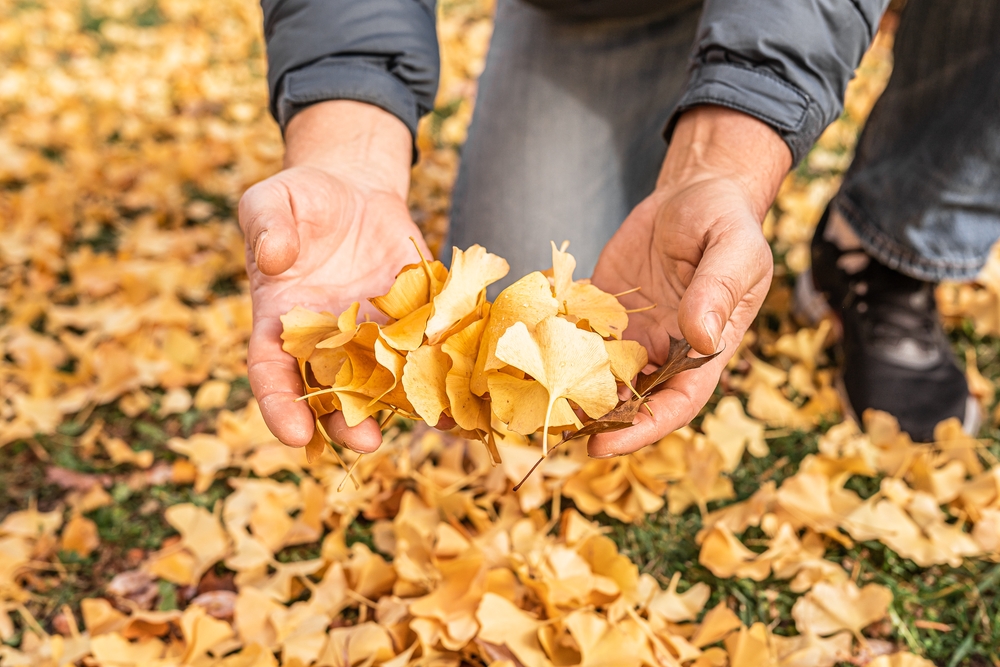
Many people are unaware of the importance of fallen leaves to wildlife survival. Toads, small mammals, salamanders, and beneficial insects rely on leaf cover for shelter, moisture, and protection from predators. A tidied lawn can become a barren landscape for these creatures, effectively pushing them out. But when we embrace a more natural-looking lawn, we strengthen our local ecosystem. A leaf-friendly yard supports everything from fireflies to friendly garden pollinators, turning your home into a safe haven instead of a wasteland.
Your Lawn Becomes Healthier With Less Effort
A common fear is that not raking will lead to a patchy, suffocated lawn. But when leaves are properly mulched, the opposite happens. The soil retains moisture better, roots grow deeper, and grass becomes more resilient. Instead of fighting against your lawn’s natural rhythms, you start working with them. And that translates to less watering, fewer fertilizer purchases, and far less yard maintenance overall.
Raking Is More Harmful Than Helpful
Raking may feel productive, but it can actually stress your lawn. When you rake aggressively, you risk tearing up tender roots and disturbing the topsoil layer that protects the grass from drought. Additionally, you’re removing organic matter that your lawn needs for long-term health. Every bag of leaves you haul away is a bag of future nutrients going straight into a landfill. So ironically, the very chore meant to keep your lawn healthy is often working against it.
Not Raking Is Better For The Planet
Leaf disposal contributes to a surprising amount of landfill waste. When leaves decompose in plastic bags without oxygen, they release methane, a potent greenhouse gas. Mulching leaves or letting them naturally decay avoids this problem entirely. Plus, the reduced need for fertilizers and lawn treatments cuts down on chemical runoff into waterways. In short, leaving the leaves is one of the easiest climate-friendly choices you can make—no activism required.
It Can Change How You See Your Yard
Once you stop raking, something interesting happens: you begin to view your lawn not as a decorative carpet, but as a living ecosystem. You notice birds spending more time in your yard, searching among the leaves. You feel a sense of relief from not forcing your outdoor space into unnatural tidiness. And you start appreciating the organic processes unfolding right outside your front door. It becomes less about control, more about respect.
The Movement Is Growing
More homeowners are ditching the rake than ever before. Environmental groups, landscapers, and garden experts have all begun promoting leaf-mulching as the superior lawn care approach. There’s a refreshing joy in opting out of the exhausting “perfect lawn” myth. People are realizing that a slightly leaf-dappled yard isn’t neglect—it’s smart stewardship. And once you experience the benefits, it’s hard to go back to the old way.
Time To Lay Down the Rake
Leaving the leaves doesn’t mean letting your yard go wild—it means embracing healthier soil, happier wildlife, and a more relaxed approach to lawn care. With mulching, natural decomposition, and a little perspective shift, your lawn can thrive without all the labor-intensive cleanup. So before you break out the rake this fall, consider letting nature do the work for you. Your grass, your weekends, and your local ecosystem will all benefit.
Have you tried leaving the leaves before? Share your thoughts, stories, or strategies in our comments section so others can hear.
You May Also Like…
- Your Raised Beds Need This One Winter Trick Before the Ground Freezes
- The Ultimate November Garden Checklist: Don’t Skip These Final Tasks
- How Mulched Leaves Reduce Soil Erosion
- 6 Leaf Mold Hacks for Healthier Soil
- The Role of Fungi in Breaking Down Fall Leaves

Brandon Marcus is a staff writer for FrugalGardening.com at District Media, Inc., where he delivers practical gardening advice with a relatable, no-nonsense style. An avid amateur gardener, he holds a BA degree and with over ten years of professional writing experience, he is also an award-winning published author whose first book, Questions For Deep Thinkers, was released by Adams Media. His work has appeared in major publications including Fandom.com, CHUD.com, TheColdWire.com, and Fansided.com.
We stopped fertilizing our yard 25 years ago. We are blessed to live on several acres. So cost & time savings were necessary with an active family. The result, nature! We have an abundance of frogs, toads, lizards, earthworms, etc. No chemicals = healthy lawn & wildlife. We let the natural spring mix grow & die off in our hot South Carolina summer. This is more fertilizer. We mulch our leaves & leave the last leaves dropped for critters to shelter. We also let our grasses go to seed in late summer. Free propagation!