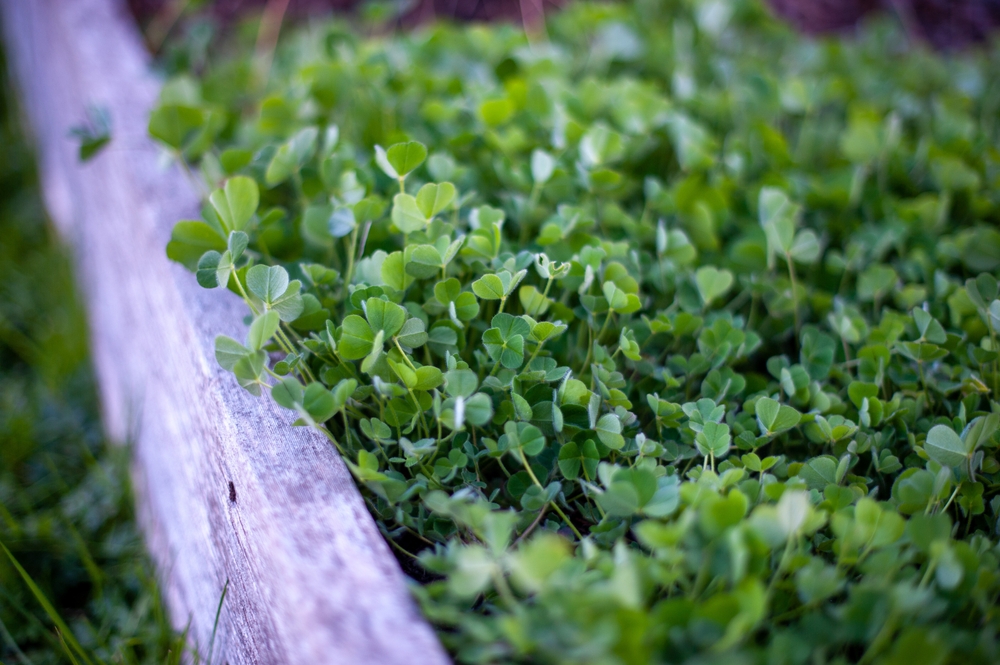
The first crisp breeze of fall feels refreshing—until you realize it’s also a warning. The nights are getting colder, the sunlight is fading faster, and suddenly your garden starts looking at you like, “Hey, you’ve got a plan for this, right?” That’s where row covers come in: the unsung heroes of shoulder-season gardening. They’re lightweight, low-maintenance, and surprisingly powerful at extending your harvest long after your neighbors have given up.
Whether you’re a backyard grower or a small-scale farmer, knowing which crops deserve that cozy protection can make all the difference between a sad, frost-bitten plot and a thriving autumn garden bursting with life.
1. Spinach: The Cool-Weather Champ
Spinach thrives in chillier temperatures, but it still hates a surprise frost. By draping a row cover over your spinach beds, you’re essentially tucking your plants in for the night—keeping them snug, warm, and safe from sudden cold snaps. The cover traps just enough heat and humidity to keep leaves tender instead of tough or wilted. Even better, it shields young spinach from those sneaky late-season pests like leaf miners that love to munch through your crop. With a good row cover, your spinach can keep producing right into early winter, making it one of the smartest fall crops to baby a little.
2. Lettuce: The Delicate Diva That Deserves Extra Love
Lettuce is notorious for being sensitive—too much heat, too much cold, and it throws a fit. In fall, that temperature rollercoaster can be brutal, but a row cover works like a steadying hand. It keeps the microclimate around your lettuce more stable, softening the swings between warm afternoons and chilly nights. Row covers also protect tender leaves from light frost, meaning your crisp salads can continue even as your neighbors are raking up leaves. Think of it as your lettuce’s personal bubble—warm, safe, and pest-free, all while looking gorgeously green.
3. Carrots: The Underground Sweethearts
Carrots might seem safe underground, but their leafy tops are still vulnerable to frost damage. A simple row cover can make a huge difference by insulating the soil and keeping roots growing longer into the season. As temperatures drop, something magical happens—cold-stressed carrots actually get sweeter. That natural sugar boost is a bonus of growing carrots under protection in the fall. The row cover keeps the soil loose and workable, so harvesting them later on doesn’t feel like digging through frozen concrete. Trust me, your roasted fall carrots will taste better because of it.
4. Kale: The Iron-Clad Superfood (That Still Likes a Blanket)
Kale gets a lot of credit for being tough, but even this leafy warrior appreciates a bit of comfort. When nights dip close to freezing, a row cover helps lock in warmth and humidity, reducing stress on the plants. You’ll notice the leaves stay more tender and vibrant compared to those left exposed. It also keeps out hungry pests like aphids and cabbage worms that refuse to quit even in cooler weather. A well-covered kale bed not only survives fall but thrives—ready to give you nutrient-packed greens deep into the cold season.
5. Beets: The Double-Duty Growers
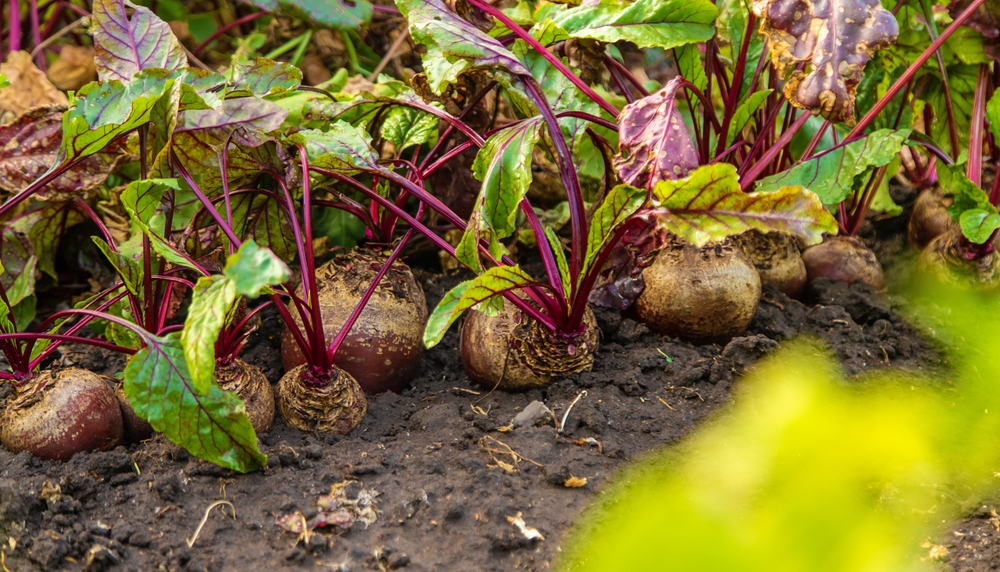
Beets pull double-duty in the fall garden—you get those gorgeous ruby roots and delicious greens. Both parts benefit from a bit of shelter. The greens can burn or wilt from sudden frost, while the roots prefer consistently cool, not freezing, soil. Row covers give you that sweet spot of steady moisture and moderate temperatures, letting your beets fatten up perfectly. You’ll end up with glossy leaves for salads and hearty roots for roasting, all thanks to a simple layer of protection.
6. Broccoli: The Cool Kid That Needs Backup
Broccoli loves cool weather but draws the line at frostbite. When the temperature drops too fast, those tight green heads can brown or loosen before you ever get to harvest. A lightweight row cover acts like a shock absorber, reducing the impact of sudden cold spells. It also keeps out cabbage loopers and other pests that think broccoli leaves are their personal buffet. With consistent coverage, you can stretch your harvest window by weeks, ensuring your fall broccoli stays crisp, compact, and delicious.
Extend Your Harvest & Protect Your Pride
Fall gardening isn’t about giving up—it’s about adapting. Row covers are your secret weapon, turning a short season into an extended victory lap. Whether you’re shielding tender lettuce, sweetening your carrots, or keeping your kale pest-free, a little fabric can mean the difference between “frost failure” and “fresh success.” Try experimenting with different cover weights and setups to see what works best in your region—you’ll be amazed at how resilient your garden becomes.
Have you tried using row covers in your fall garden? Share your favorite crops, tricks, and lessons in the comments below.
You May Also Like…
Why Straw Mulch Beats Plastic for Protecting Winter Crops
How Cover Crops Boost Spring Yields
7 Crops That Should Be Blanched Before Freezing
Why Rainwater Collection Is Easier in Fall
7 Garden Tasks to Protect Bees in Autumn

Brandon Marcus is a staff writer for FrugalGardening.com at District Media, Inc., where he delivers practical gardening advice with a relatable, no-nonsense style. An avid amateur gardener, he holds a BA degree and with over ten years of professional writing experience, he is also an award-winning published author whose first book, Questions For Deep Thinkers, was released by Adams Media. His work has appeared in major publications including Fandom.com, CHUD.com, TheColdWire.com, and Fansided.com.
Leave a Reply