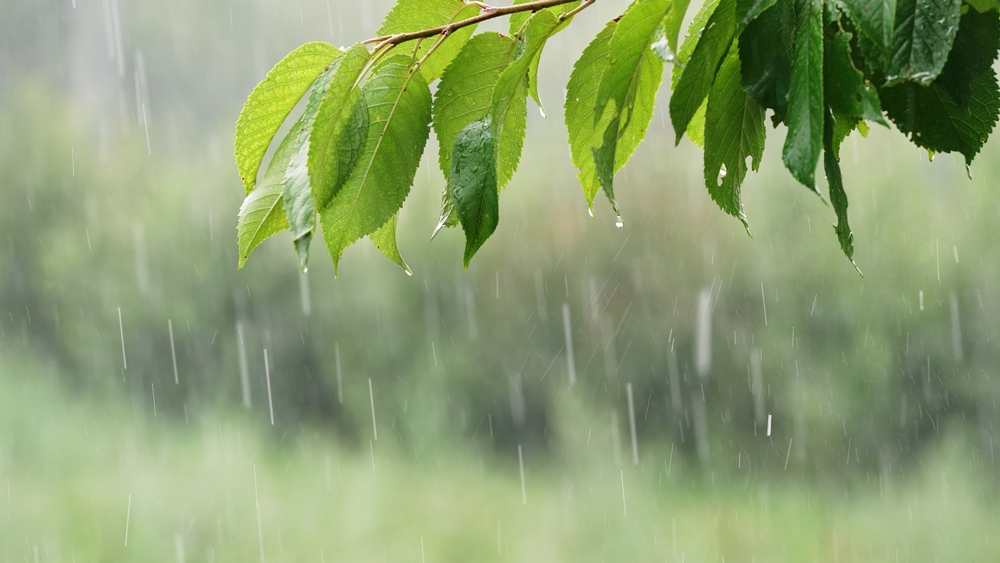
The first autumn rain hits, and suddenly your garden smells alive again. The dry summer earth softens, the worms start wriggling, and you can practically hear your soil sigh in relief.
Fall is that sweet, overlooked season when the ground is still warm, the rain is gentle, and plants are hungry for nutrients before winter’s rest. And if you want a thriving garden next spring, now’s the time to give your soil some love. Let’s talk about the five soil amendments that work absolute magic when mixed in during those glorious fall rains.
1. Compost: The Garden’s Gold Standard
Compost isn’t just for spring gardeners—it’s a fall MVP. When the rains come, they carry compost’s nutrients deep into the soil, creating a rich, balanced environment for roots to thrive. The moisture helps beneficial microbes multiply, transforming organic matter into plant fuel just in time for winter dormancy. Compost also improves soil structure, helping clay soils drain better and sandy soils hold moisture longer. In short, spreading compost in fall is like feeding your garden a warm, hearty stew before the cold sets in.
2. Aged Manure: The Slow-Release Powerhouse
If you’ve ever wondered when to use manure safely—fall is your golden window. Fresh manure can burn plants, but aged manure, worked into the soil before winter, breaks down beautifully under fall rains. The rainwater helps it blend in evenly, delivering slow, steady nutrients without overwhelming tender roots. As temperatures drop, microbes continue digesting it, leaving a perfectly primed bed by spring. Come planting season, your soil will feel soft, earthy, and alive—the perfect payoff for your autumn effort.
3. Bone Meal: The Root Booster
Fall is all about roots—grass roots, tree roots, even the roots of bulbs waiting to pop up next spring. That’s why bone meal is a fall essential. Rich in phosphorus and calcium, it encourages strong root growth, especially when rain helps carry it deep into the ground. Unlike quick-release fertilizers, bone meal breaks down slowly, feeding your soil for months without washing away. It’s especially great for planting garlic, tulips, and daffodils—anything that needs a head start underground before winter sets in.
4. Leaf Mold: The Secret Ingredient for Moisture Magic
Those piles of fallen leaves outside aren’t yard waste—they’re gold disguised as clutter. Leaf mold, made from decomposed leaves, is one of the most underrated soil amendments you can add in fall. When mixed in during rainy weather, it acts like a sponge, holding onto moisture while keeping soil fluffy and well-aerated. Over time, it boosts microbial activity and creates a rich humus that plants adore. Plus, using leaf mold keeps all that organic matter out of landfills and right where it belongs—feeding your garden.

5. Gypsum: The Clay-Buster Hero
If your soil feels like wet cement every time it rains, gypsum is your best friend. Fall is the perfect time to apply it because rain helps carry its minerals deep into the ground, breaking up compacted clay and improving drainage. Unlike lime, gypsum doesn’t change your soil’s pH—it simply loosens the texture and makes nutrients more accessible. The result? A lighter, airier soil that welcomes roots instead of suffocating them. By spring, you’ll notice a dramatic difference in how easily your garden soaks up both rain and sunshine.
Feed Your Soil While Nature Helps
The beauty of amending soil in fall is that nature does half the work for you. The rain gently washes nutrients into the root zone, the warmth helps decomposition, and by spring, your garden wakes up on a nutrient-rich mattress. Compost adds life, manure adds endurance, bone meal builds roots, leaf mold locks in moisture, and gypsum creates balance. With just a little fall effort, you set the stage for explosive growth next year.
Have you tried any of these amendments during fall rains? Share your results, tips, or favorite tricks in the comments below.
You May Also Like…
How Earthworms Work Harder in Fall Soils
How to Use Pine Needles as Mulch Without Harming Soil
10 Ways Fallen Leaves Feed Your Soil
How Fall Rainfall Impacts Soil Compaction
Why Over-Fertilizing Kills More Plants in Fall

Brandon Marcus is a staff writer for FrugalGardening.com at District Media, Inc., where he delivers practical gardening advice with a relatable, no-nonsense style. An avid amateur gardener, he holds a BA degree and with over ten years of professional writing experience, he is also an award-winning published author whose first book, Questions For Deep Thinkers, was released by Adams Media. His work has appeared in major publications including Fandom.com, CHUD.com, TheColdWire.com, and Fansided.com.
Leave a Reply