• Skip to primary navigation
  • Skip to main content
  • Skip to primary sidebar

Frugal Gardening

Simple ways to save money while you garden

  • About
  • Contact Us
  • Garden Frugally
  • Buy These
  • Our Editorial Commitment
  • Navigation Menu: Social Icons

    • Facebook
    • Pinterest
    • Twitter

How Many Times a Month Should You Get Your Grass Cut?

July 25, 2025 by Amanda Blankenship Leave a Comment

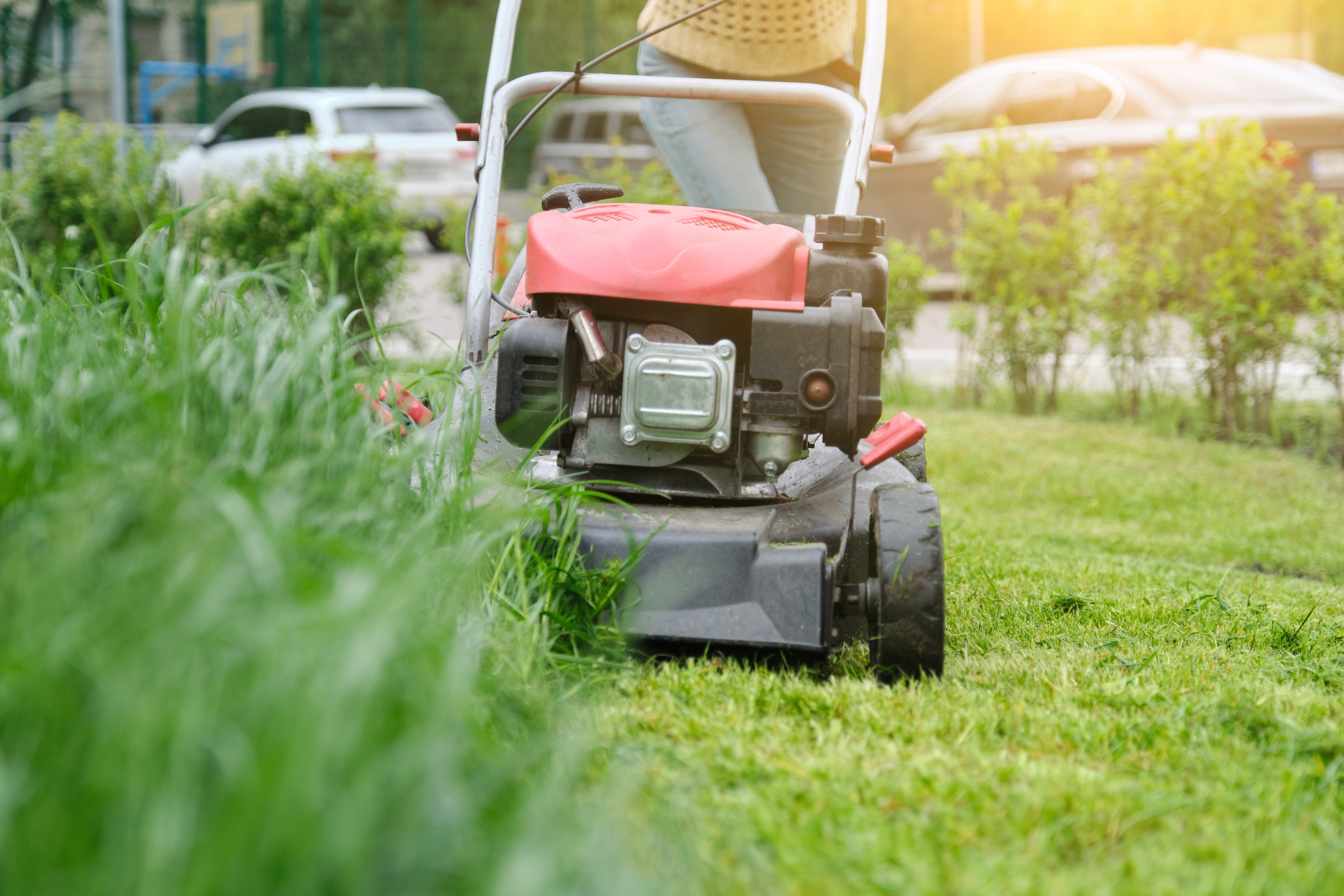
Lawn mower cutting green grass, gardener with lawnmower working, city courtyard of an apartment building
Image Source: 123rf.com

A lush, green lawn doesn’t happen by accident—it’s the result of consistent care, and mowing plays a major role. But when it comes to how often you should mow, there’s no one-size-fits-all answer. The ideal schedule depends on your grass type, local climate, and time of year. Mow too frequently, and you risk stressing your lawn; wait too long, and you could stunt its growth. Here’s how to strike the right balance and keep your yard looking its best all season long.

Grass Growth Determines Timing

There are certain times of the year when grass grows faster (typically in the spring and summer months). Depending on where you live, you may have to mow all year long. However, in most places, people can get away without mowing their lawn in the fall and winter. That said, during peak growing seasons, you might need to mow your lawn every week.

People who care about their lawn growth and upkeep tend to stick to the one-third rule. This guideline dictates that you should only remove one-third of the grass blade’s height in a single mow. You can stress the grass and leave it vulnerable to disease if you cut too much at once.

Grass Type Plays a Key Role

Of course, the type of grass in your lawn will have an impact on how often it should be mowed, too. Kentucky Bluegrass, for instance, tends to grow more in the spring and fall because it is a cool-season grass. So, it’ll need to be cut more often during those months compared to warm-season grasses like Bermuda Grass.

Taking the time to get to know the type of grass in your lawn is important. It can help you create a tailored mowing schedule, ensuring optimal growth and appearance throughout the year.

Weather Conditions Affect Frequency

rapeseed flower field with dew drop on glass
Image Source: 123rf.com

Weather significantly influences how quickly your grass grows. Rainfall and humidity accelerate growth, while drought slows it down. During rainy periods, mowing once a week is usually necessary to keep your lawn tidy. However, in dry spells, grass growth may stall, allowing you to mow less frequently. Always adapt your mowing schedule to reflect the current weather patterns for best results.

Seasonal Adjustments Are Necessary

As mentioned above, certain seasons have an impact on how often you should mow your lawn. In some places, like where I live in North Carolina, mowing isn’t all that necessary in the fall, and most people don’t mow at all during the winter months. Throughout the summer, some people may find that they need to mow every week (or even more than once a week).

Taking note of how your grass reacts to each season and adjusting your schedule accordingly will help you ensure your lawn’s health all year long.

Over-Mowing Can Harm Your Lawn

While regular mowing keeps your lawn neat, overdoing it can cause damage. Cutting grass too short weakens its root system and makes it susceptible to weeds and pests. Over-mowed lawns lose moisture faster, leading to yellowing and stress. Striking a balance between frequency and grass health is essential for long-term results. Let your lawn’s appearance and growth rate guide your decisions.

Find the Right Routine for Your Lawn

There’s no universal mowing schedule, but understanding your grass type, local weather, and the time of year will help you find the right rhythm. Weekly cuts in spring and summer typically work best, while cooler seasons call for a lighter touch. Stick to the one-third rule, watch for signs of stress, and adjust as needed. A thoughtful, consistent approach is the key to a lawn that looks healthy, lush, and well cared for.

How often do you mow your lawn? Have you found a schedule that works well for your grass type and climate? Share your tips and experiences in the comments below!

Read More:

7 Reasons Why Your Grass Has Brown Spots

4 Reasons to Rethink Planting Non-Native Flowers in Your Yard

Filed Under: garden tips, Uncategorized Tagged With: Bermuda grass, cool-season grasses, DIY landscaping, gardening advice, grass maintenance, grass type, home improvement, lawn care, lawn growth, lawn health, mowing frequency, mowing schedule, one-third rule, outdoor maintenance, over-mowing risks, seasonal lawn tips, summer lawn care, yard care, yard tips

Previous Post: « 10 Ways Your Garden Might Be Lowering Your Home’s Appraisal
Next Post: From Paper Towel to Potting Soil: The Ideal Time to Transplant Your Seedlings »

Reader Interactions

Leave a Reply Cancel reply

Your email address will not be published. Required fields are marked *

Primary Sidebar

Struggling to get your garden off the ground? Put those days behind you with our special starter kit – perfect for thrifty green thumbs everywhere. Get growing and add a splash of color today!

Popular Posts

  • usda free seeds websiteHow To Get Free Seeds From The Government by Amanda Blankenship Seeds might seem like a small expense, but any seasoned…
  • Enviro Ice On PlantsShould I Use Enviro Ice On My Plants? by Kathryn Vercillo Every week, I receive food from Hungryroot. It's a great…
  • is shredded paper good for the gardenFrom Trash to Treasure: Transform Shredded Paper Into Garden Gold by Amanda Blankenship Should you use shredded paper as garden mulch? It might…
  • Enviro IceWhat Happens to Plants If You Use Enviro Ice on Them? by Amanda Blankenship About a year ago, I wrote our first article about…
8 Raised Bed Favorites That Deliver Consistent Results

8 Raised Bed Favorites That Deliver Consistent Results

Raised bed gardening keeps winning over home gardeners for one simple reason—results show up fast and stay consistent. These tidy, elevated garden spaces help control soil quality, improve drainage, and reduce back strain while planting and harvesting. Even better, raised beds make it easier to grow high-performing crops without battling compacted soil or unpredictable ground…

Read More

5 Budget-Friendly Gardening Tips That Actually Work

5 Budget-Friendly Gardening Tips That Actually Work

Gardening does not have to drain a wallet or turn into an expensive experiment that fails halfway through the season. Many thriving gardens across the United States grow from simple, low-cost strategies that focus on smart habits rather than pricey supplies. A few thoughtful changes can turn even a small backyard or patio into a…

Read More

7 Cool-Night Tolerant Picks That Handle Temperature Drops

7 Cool-Night Tolerant Picks That Handle Temperature Drops

Cool nights can sneak in fast across many parts of the United States, especially when summer starts fading into fall or spring refuses to fully commit. Many gardens struggle during these temperature swings, but certain plants actually come alive when the air turns crisp. These tough growers bring color, flavor, and structure to landscapes when…

Read More

6 Low-Light Options That Still Produce Results

6 Low-Light Options That Still Produce Results

Indoor spaces often struggle with one stubborn challenge: limited natural light. Many homes across America feature shaded corners, north-facing rooms, or windows blocked by nearby buildings, and those spots often feel impossible to green up. Yet certain plants refuse to quit, even when sunlight barely shows up. These hardy performers bring life, texture, and color…

Read More

  • About
  • Contact Us
  • Garden Frugally
  • Buy These
  • Our Editorial Commitment
  • Navigation Menu: Social Icons

    • Facebook
    • Pinterest
    • Twitter
  • Facebook
  • Pinterest
  • Twitter

Copyright © 2026 · Foodie Pro & The Genesis Framework