• Skip to primary navigation
  • Skip to main content
  • Skip to primary sidebar

Frugal Gardening

Simple ways to save money while you garden

  • About
  • Contact Us
  • Garden Frugally
  • Buy These
  • Privacy Policy
  • Navigation Menu: Social Icons

    • Facebook
    • Pinterest
    • Twitter

4 Reasons to Rethink Planting Non-Native Flowers in Your Yard

April 11, 2025 by Tamila McDonald Leave a Comment

Gardening

Image Source: 123rf.com

Planting flowers is one of the easiest ways to beautify your yard, but the choice between native and non-native species is an important consideration. While non-native flowers may seem appealing due to their vibrant colors and exotic appeal, they come with potential drawbacks that can impact your garden and the environment. Here are four reasons why you should rethink planting non-native flowers in your yard.

1. Non-Native Flowers Can Disrupt Local Ecosystems

Non-native flowers often lack the ecological connections that native plants have with local wildlife. For example, they may not provide nectar for pollinators like bees and butterflies or may even outcompete local plants. These disruptions can cascade through the food chain, affecting animals and insects that depend on native species. By choosing native flowers, you help maintain biodiversity and contribute to a healthier ecosystem in your area.

2. They May Require More Maintenance

Non-native flowers are often not adapted to your region’s climate and soil, making them more difficult to maintain. These plants may require extra water, fertilizers, or pesticides to thrive, which can increase your garden’s upkeep costs and environmental impact. Native flowers, on the other hand, are naturally suited to your local conditions and typically require less maintenance. They’re hardier and more sustainable, reducing the time and resources needed to care for your yard.

3. Potential for Invasiveness

Some non-native flowers can become invasive, spreading aggressively and outcompeting native plants. This can lead to a loss of biodiversity and the degradation of local ecosystems. Invasive species can be hard to control once established, potentially overtaking your garden and spreading to nearby natural areas. By avoiding non-native plants with invasive tendencies, you protect both your yard and your local environment from unintended consequences.

4. Limited Benefits to Local Wildlife
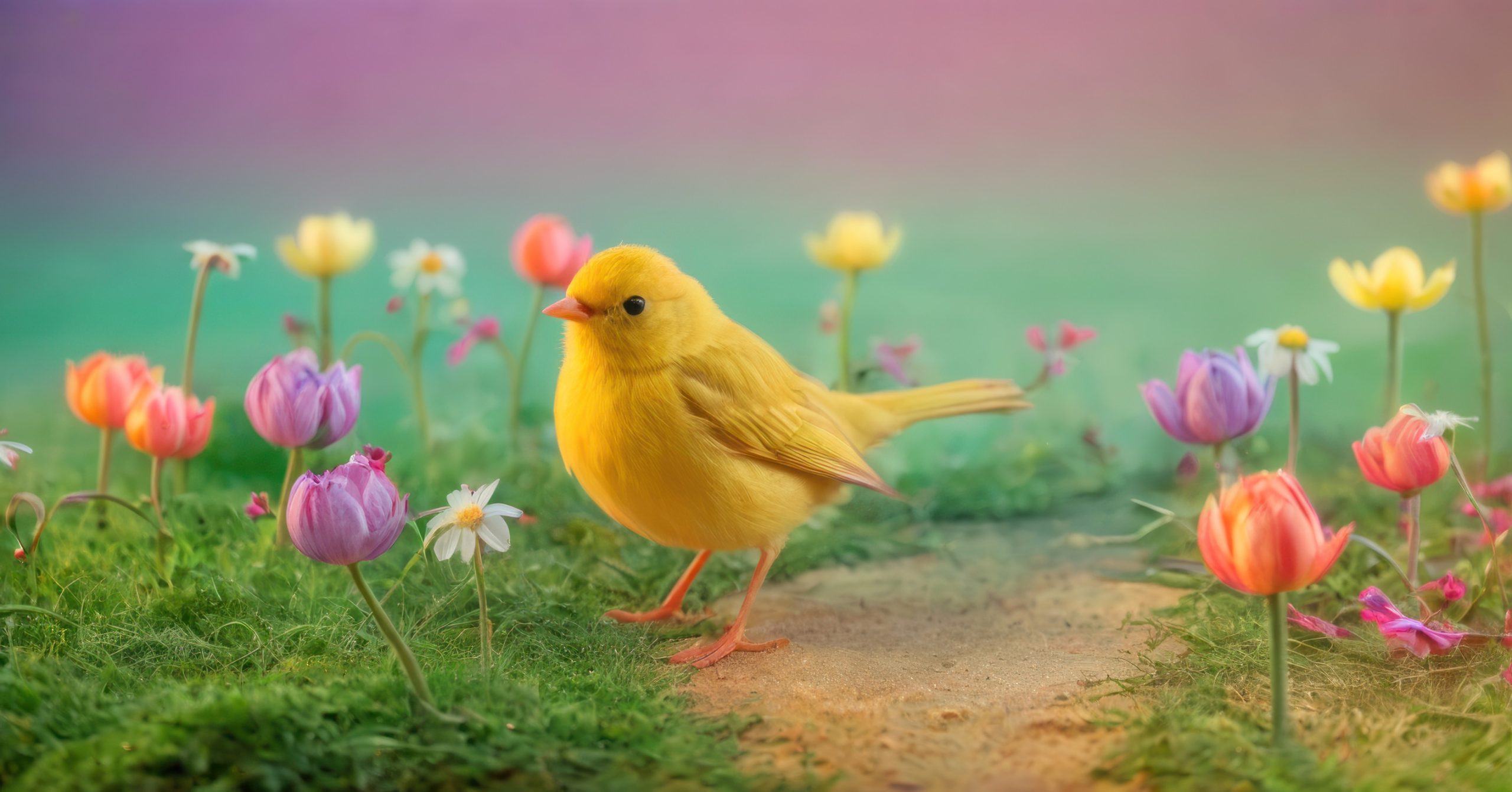
Little yellow bird in the meadow with tulips. Spring background

Image Source: 123rf.com

Native plants have coevolved with local wildlife, providing food and shelter for pollinators, birds, and other species. Non-native flowers often fail to meet these needs, leaving local wildlife without essential resources. By planting native flowers, you create a welcoming habitat for local species and support ecological balance. Your garden becomes a haven for wildlife, contributing to conservation efforts and environmental health.

Choose Native for a Healthier Yard and Environment

While non-native flowers may look stunning, their impact on your yard and the environment can outweigh their aesthetic appeal. Opting for native flowers helps preserve local ecosystems, reduces maintenance, and supports wildlife. Your garden will thrive, and you’ll be making a positive contribution to the environment.

What’s your favorite native flower to plant in your area? Share your experiences and ideas in the comments below!

Read More:

5 Gardening Practices That Are Harming the Environment

10 Common Garden Plants That Are Actually Invasive Species

 

Photograph of Tamila McDonald
Tamila McDonald

Tamila McDonald is a U.S. Army veteran with 20 years of service, including five years as a military financial advisor. After retiring from the Army, she spent eight years as an AFCPE-certified personal financial advisor for wounded warriors and their families. Now she writes about personal finance and benefits programs for numerous financial websites.

Filed Under: Uncategorized

Previous Post: « 7 Reasons Why You Should Stop Using Pesticides in Your Garden
Next Post: 9 Gardening Techniques That Are Surprisingly Controversial »

Reader Interactions

Leave a Reply Cancel reply

Your email address will not be published. Required fields are marked *

Primary Sidebar

Struggling to get your garden off the ground? Put those days behind you with our special starter kit – perfect for thrifty green thumbs everywhere. Get growing and add a splash of color today!

Popular Posts

  • usda free seeds websiteHow To Get Free Seeds From The Government by Amanda Blankenship Seeds might seem like a small expense, but any seasoned…
  • Enviro Ice On PlantsShould I Use Enviro Ice On My Plants? by Kathryn Vercillo Every week, I receive food from Hungryroot. It's a great…
  • is shredded paper good for the gardenFrom Trash to Treasure: Transform Shredded Paper Into Garden Gold by Amanda Blankenship Should you use shredded paper as garden mulch? It might…
  • Enviro IceWhat Happens to Plants If You Use Enviro Ice on Them? by Amanda Blankenship About a year ago, I wrote our first article about…
5 Natural Methods to Repel Ants Without Toxic Chemicals

5 Natural Methods to Repel Ants Without Toxic Chemicals

Ants don’t knock before they invade, and once they set foot in your home, they march like tiny invaders on a mission. One moment, your kitchen looks pristine; the next, there’s a trail of determined little workers dragging crumbs twice their size across your countertops. Forget toxic sprays that leave a chemical haze over your…

Read More

The Safe Way to Use Coffee Grounds Without Damaging Plants

The Safe Way to Use Coffee Grounds Without Damaging Plants

Coffee isn’t just the lifeblood of mornings—it’s secretly a superhero in your garden too. Those leftover coffee grounds hiding in the kitchen aren’t trash; they’re miniature power-packed bundles of nutrients ready to give your plants a boost. Imagine turning your morning ritual into a green-thumbed adventure while reducing waste at the same time. It’s like…

Read More

How to Protect Seedlings From Cold Nights Without Buying Covers

How to Protect Seedlings From Cold Nights Without Buying Covers

Cold nights can strike tiny seedlings like a stealthy ninja, and even the healthiest ones can wilt and waver when temperatures dip unexpectedly. Protecting them doesn’t have to involve spending a fortune on fancy covers or plastic cloches. In fact, a little creativity and some everyday items around the house can shield these tender little…

Read More

DIY Irrigation Systems for Small Gardens That Cost Under $20

DIY Irrigation Systems for Small Gardens That Cost Under $20

Have you ever stared at your tiny garden on a blazing summer day, secretly wishing the plants could water themselves while you kick back with a lemonade? The truth is, watering plants doesn’t have to feel like a chore or burn a hole in your wallet. In fact, some of the most clever irrigation systems…

Read More

  • About
  • Contact Us
  • Garden Frugally
  • Buy These
  • Privacy Policy
  • Navigation Menu: Social Icons

    • Facebook
    • Pinterest
    • Twitter
  • Facebook
  • Pinterest
  • Twitter

Copyright © 2026 · Foodie Pro & The Genesis Framework