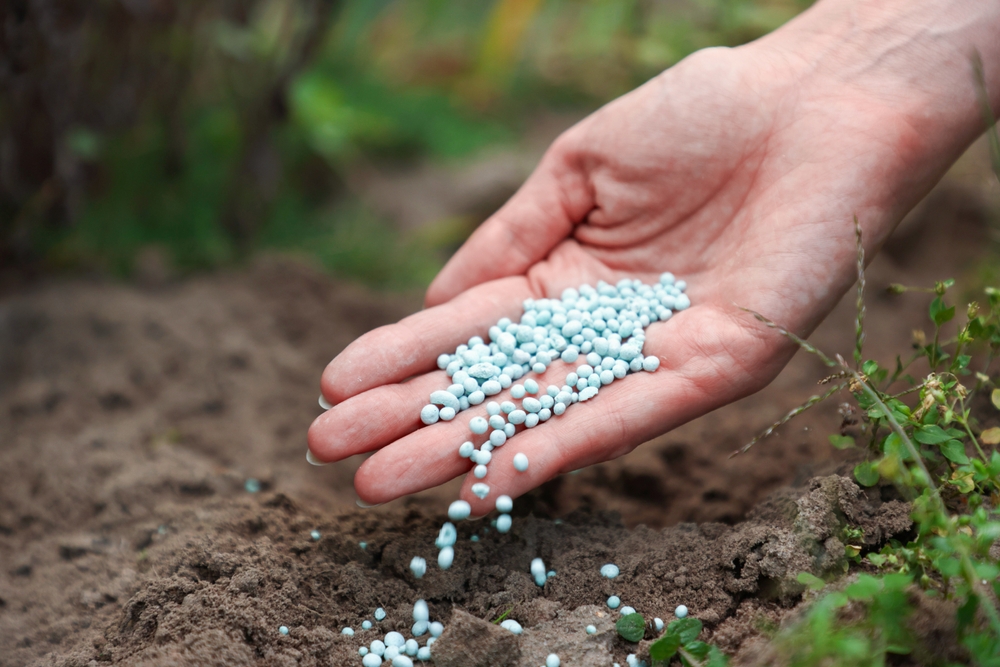
Walk into a garden center in autumn and it can feel like every plant has suddenly developed a nutritional emergency. Bags of fertilizer promise stronger roots, better winter performance, and a more impressive garden next spring, making that end-of-season purchase seem like an easy decision.
Many established plants do not need a late-season feeding, and adding fertilizer at the wrong time can encourage growth when the plant should start preparing for dormancy. Before tossing another bag into the cart, it helps to know what the plants actually need.
Fall Fertilizer Makes Sense for Some Plants, Not All
Plants do not follow a universal fall-fertilizer schedule, because different species respond to nutrients according to their growth cycles, climate, and soil conditions. A cool-season lawn, for example, can benefit from properly timed fall fertilization because cool-season grasses often put energy into root growth during cooler weather. Some newly established plants may also need specific nutrients if a soil test identifies a deficiency or if planting instructions call for additional feeding. Established ornamental trees, shrubs, and many perennials, however, often have little reason to receive a routine blast of fertilizer just because winter sits around the corner.
The calendar alone should not determine the decision. A healthy plant growing in reasonably fertile soil already has access to nutrients, and extra fertilizer does not automatically translate into stronger roots or better spring growth. In fact, excessive nutrients can push tender new growth late in the season, which creates a particularly awkward situation when freezing weather arrives soon afterward. That makes the question less about “What can be added?” and more about “Does this plant actually need anything added?”
Too Much Nitrogen Can Create a Late-Season Problem
Nitrogen deserves special attention because it encourages leafy, green growth, exactly what many gardeners want during the main growing season. Late in the year, however, that fresh growth can clash with the plant’s natural move toward dormancy, particularly when gardeners apply a nitrogen-heavy fertilizer without considering the plant’s growth cycle. A shrub that suddenly produces soft new shoots in response to a late feeding may not have enough time to toughen those shoots before cold weather arrives. The result can include damaged tips and a lot of unnecessary pruning when spring returns.
That does not mean nitrogen becomes some kind of garden villain every autumn. The right amount at the right time can help certain plants, particularly cool-season turf, while a deficiency can cause genuine problems in other situations. The important distinction involves targeted feeding rather than treating the entire landscape like one giant salad that needs another handful of fertilizer. If a plant looks healthy and grows normally, adding fertilizer simply because the bag recommends a fall application may accomplish very little.
Your Soil May Already Have Plenty to Offer
One of the smartest moves before buying fertilizer involves checking the soil rather than guessing what it lacks. A soil test can provide useful information about nutrient levels and pH, which gives gardeners a much clearer picture than leaf color or a fertilizer label alone. If the soil already contains adequate nutrients, additional fertilizer may not improve plant performance and can contribute to nutrient buildup or runoff. Gardeners can then spend that money on something far more useful, such as compost, mulch, or a replacement plant that actually deserves the shopping-cart attention.
Gardeners should also remember that fertilizer does not fix every problem that makes a plant look unhappy. Poor drainage, compacted soil, drought stress, root damage, pests, disease, and improper planting depth can all cause symptoms that resemble a nutrient problem. Pouring fertilizer onto a struggling plant without identifying the cause can waste money and sometimes make the situation worse. A soil test paired with a careful look at watering, drainage, sunlight, and plant placement creates a much better starting point.
Mulch Can Do More for Winter Preparation
When autumn arrives, gardeners often focus so heavily on feeding that they overlook one of the simplest ways to protect garden soil: mulch. A layer of organic mulch can help moderate soil temperature, conserve moisture, and reduce the dramatic freeze-and-thaw swings that can stress plant roots. Mulch also breaks down over time and contributes organic matter to the soil, although it does not replace a soil test or supply nutrients in the precise amounts that a deficient soil may require. Keep mulch a few inches away from trunks and stems so moisture does not sit directly against plant tissue.
Fall also offers a great opportunity to clean up garden problems without turning the yard into a sterile showroom. Remove diseased plant material when appropriate, pull persistent weeds before they scatter more seeds, and keep fallen leaves where they can safely contribute organic matter or move them into a compost pile. Some healthy leaves can remain around appropriate garden beds, where decomposing material supports soil life and adds organic matter. Instead of automatically reaching for fertilizer, gardeners can put that autumn energy toward improving the soil and protecting existing plants.
Let the Plant Tell You What Comes Next
The best fall gardening decisions usually begin with the plant rather than the product aisle. If a perennial naturally dies back, an established shrub looks healthy, and a soil test shows adequate nutrients, there may be no compelling reason to fertilize before winter. If a lawn, vegetable crop, tree, shrub, or newly planted perennial has a documented nutrient need, the appropriate fertilizer and application timing can look very different. Local climate matters too, because a feeding schedule that makes sense for a cool northern garden may not translate neatly to a warm region where plants continue growing much later into the year.
That approach also saves gardeners from one of the most common gardening habits: doing something simply because autumn arrived. Plants do not need a seasonal shopping spree, and more fertilizer does not equal more success. Give plants what they actually need, protect the soil, and allow healthy plants to enter dormancy on their own schedule. Before buying that bag of fall fertilizer, ask whether the plant needs nutrients, whether the soil actually lacks them, and whether the timing makes biological sense. Sometimes the most helpful thing a gardener can give a garden before winter is not another dose of fertilizer, but a little restraint.
What do you usually do with your garden in the fall, and have you ever skipped fertilizer and noticed a difference the following spring?
You May Also Like…
6 Soil Tests Worth Doing Before You Buy Fall Fertilizer
Should You Fertilize Before Winter? Some Plants Are Better Left Alone
7 Garden Plants You Should Stop Fertilizing as Summer Ends
Can Crushed Oyster Shells Help Garden Soil?
5 Reasons a White Film Appears on Garden Soil

Brandon Marcus is a staff writer for FrugalGardening.com at District Media, Inc., where he delivers practical gardening advice with a relatable, no-nonsense style. An avid amateur gardener, he holds a BA degree and with over ten years of professional writing experience, he is also an award-winning published author whose first book, Questions For Deep Thinkers, was released by Adams Media. His work has appeared in major publications including Fandom.com, CHUD.com, TheColdWire.com, and Fansided.com.
Leave a Reply