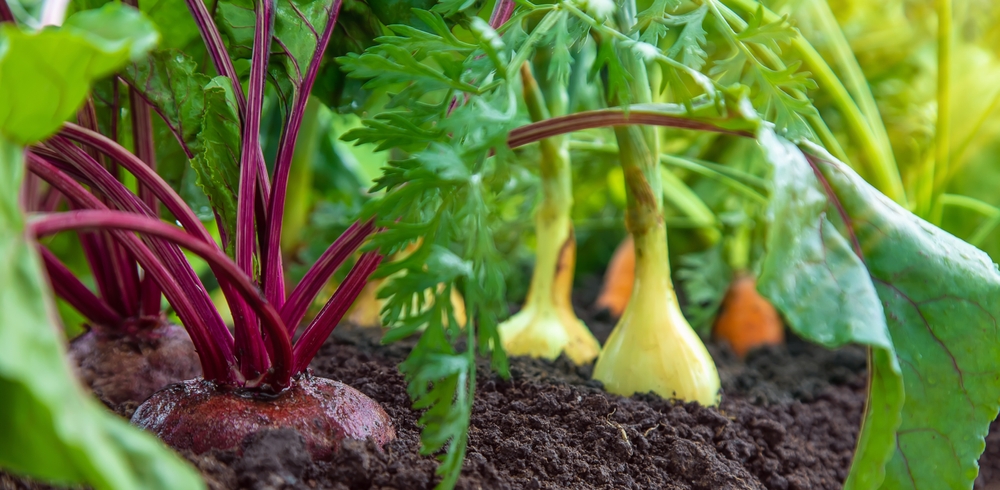
Summer vegetables can make a garden feel like a produce factory with a very short attention span. One week, tomatoes, cucumbers, beans and zucchini seem determined to bury the kitchen counter, and then suddenly the plants slow down, look exhausted and start offering little more than yellow leaves and one lonely cucumber hiding under the foliage. That does not mean the garden has reached its closing time.
A productive garden can keep handing over food long after the first wave of summer crops fades, especially when gardeners replace tired plants instead of simply watching empty soil take over. With a little planning, cool-season crops, quick-growing greens, root vegetables and even a few strategic cutbacks can keep the harvest going.
1. Pull Plants That Have Truly Finished
A garden can waste valuable growing space when dead or declining plants linger out of habit. If a tomato plant has stopped setting worthwhile fruit, shows serious disease problems or has become mostly brown stems and leaves, removing it can open room for something new. The same principle applies to beans, cucumbers and squash when production has clearly collapsed. Do not confuse a temporary slowdown with the end, though, because healthy plants can recover from heat stress when temperatures moderate and moisture stays consistent.
Give the soil a quick inspection after removing a crop rather than immediately tossing in another plant. Pull obvious weeds, remove fallen diseased foliage and replenish depleted organic matter with finished compost when appropriate. That small reset can turn an exhausted patch into useful growing space instead of leaving it as a monument to tomatoes past.
2. Plant Fast-Growing Greens
Leafy greens can become the garden’s second act because many varieties mature far faster than a crop such as broccoli or Brussels sprouts. Lettuce, arugula, radishes, mustard greens and some Asian greens can provide usable harvests relatively quickly when gardeners plant them during suitable weather. Cooler conditions often suit these crops better than the intense heat that made summer lettuce bolt and turn bitter. Check the seed packet for days to maturity and count backward from the expected first hard frost in the local area.
Sow small batches instead of scattering an entire packet across the garden at once. That approach creates a rolling supply rather than a sudden pile of greens that all demand attention on the same Tuesday. For an especially quick harvest, gardeners can pick young leaves rather than waiting for every plant to reach full size.
3. Give Root Crops Another Chance
Radishes, turnips, beets and carrots can make excellent successors when summer crops vacate the garden. These vegetables use underground space, which makes them especially useful in beds where above-ground summer plants have already taken their final bow. Loose, reasonably fertile soil helps roots develop properly, while compacted ground can produce misshapen or stunted results. Remove large roots and woody debris before sowing so the new crop has a clear path downward.
Root crops also offer a pleasant change from the nonstop picking routine of beans and cucumbers. Once established, they generally need less attention than crops that require trellising, frequent harvesting or constant pest checks. Just remember that some roots need more time than fast greens, so the calendar matters if autumn temperatures arrive quickly.
4. Try Succession Planting
Succession planting sounds fancy, but the basic idea simply means planting a replacement crop before the previous one completely disappears. A gardener might follow spring peas with beans, summer lettuce with fall greens, or an early radish crop with another round of roots. The trick involves matching the next crop to the remaining growing season rather than planting something that needs months of warm weather after summer has already packed its bags. Seed packets provide useful maturity information, but local weather still determines whether a late planting has enough time.
Small, repeated plantings can also make the garden easier to manage. Instead of gambling an entire bed on one crop, gardeners can divide the space and plant portions at different times. That creates multiple harvest windows and reduces the odds of ending up with either too much produce at once or nothing at all.
5. Cut Back Herbs for Fresh Growth
Some perennial herbs can provide useful harvests well beyond the peak vegetable season. Chives, oregano, thyme, sage and mint can continue producing foliage when many annual vegetables have faded, although their growth depends on the plant and local conditions. Regular harvesting can encourage fresh shoots on herbs that respond well to pruning, while removing damaged or diseased material keeps the plant tidier. Avoid cutting woody perennial herbs down to bare old wood unless the specific herb and timing support that treatment.
Annual herbs can also fill gaps surprisingly well. Basil may keep producing until cold weather damages it, while cilantro and parsley generally prefer cooler conditions. A late herb harvest can add fresh flavor to meals even when the vegetable garden starts looking considerably less enthusiastic.
6. Use Empty Spaces for Garlic
Garlic offers a clever way to turn a fading garden bed into a future harvest. Gardeners typically plant garlic cloves in fall, allowing the cloves to establish roots before winter and produce foliage again when conditions warm. Choose healthy planting stock suited to the local climate, prepare well-drained soil and plant individual cloves with the pointed end facing upward. Mulching after planting can help moderate soil conditions and reduce weed competition.
Garlic does not provide an instant replacement for a basket of tomatoes, but that misses the point. It uses space that might otherwise sit empty while setting up a harvest for the following growing season. The garden keeps working even when the gardener’s harvesting basket gets a little quieter.
7. Protect Crops From the First Chilly Nights
A sudden cold snap can end productive plants surprisingly fast, especially tender summer vegetables that cannot tolerate frost. Lightweight row covers, frost cloth or other suitable plant protection can buy additional time when temperatures briefly dip. Keep fabric from pressing directly against delicate foliage when possible, and secure the edges so wind cannot turn the whole setup into a backyard kite. Remove or ventilate covers when daytime temperatures rise enough to overheat the plants.
Protection works best as a temporary extension, not a magic force field against winter. A prolonged freeze can still finish warm-season crops, and gardeners should know the cold tolerance of whatever remains in the bed. Cool-season vegetables such as kale, some lettuce varieties and many root crops can handle conditions that would quickly ruin tomatoes and peppers.
8. Harvest Plants Before They Look Perfect
Waiting for a garden to look spectacular can cost food because vegetables often reach their best harvest window before the plant looks finished. Beans become tough when gardeners leave them hanging too long, cucumbers can turn oversized and seedy, and leafy greens can become less appealing as they age. Frequent harvesting also encourages continued production on several crops, particularly beans and certain fruiting vegetables. Check plants regularly and pick usable produce instead of waiting for every specimen to look picture-perfect.
The same rule applies to herbs, greens and root crops, although each crop has its own ideal harvest stage. Young greens often taste tender, while some root vegetables can remain in the soil for later harvest if weather and soil conditions allow. A garden does not need to look lush and summery to remain useful. Sometimes the most productive garden bed in September looks a little scruffy but keeps filling the kitchen with dinner.
Keep the Harvest Going, Not the Summer
The end of summer vegetables does not have to mark the end of the garden’s usefulness. Replanting empty spaces, choosing quick crops, protecting plants from early cold and matching each planting to the remaining season can keep fresh food coming from the same patch of soil. The smartest move often involves accepting that the garden has changed gears rather than trying to force July conditions to continue. Summer crops bring abundance, but cool-season vegetables, herbs and fall plantings can provide a quieter and surprisingly productive encore.
Which crops have kept your garden producing after the big summer harvests started fading?
You May Also Like…
11 Vegetables That Can Keep Your Garden Producing Into Winter
Is It Too Late to Plant Vegetables in September? Not in Many Parts of the Country
9 Vegetables You Can Still Plant in September for a Fall Harvest
How to Shade a Vegetable Garden Without Buying Expensive Structures

Brandon Marcus is a staff writer for FrugalGardening.com at District Media, Inc., where he delivers practical gardening advice with a relatable, no-nonsense style. An avid amateur gardener, he holds a BA degree and with over ten years of professional writing experience, he is also an award-winning published author whose first book, Questions For Deep Thinkers, was released by Adams Media. His work has appeared in major publications including Fandom.com, CHUD.com, TheColdWire.com, and Fansided.com.
Leave a Reply