September can fool a gardener into watering the garden exactly as they did in July. The calendar says summer has nearly packed its bags, but the soil may still dry quickly on warm afternoons, especially around thirsty vegetables, newly planted perennials, and containers.
As temperatures gradually cool and daylight shortens, plants generally lose water more slowly through transpiration, and evaporation from the soil also tends to decrease. Rainfall can start doing more of the work, too, although September weather rarely follows a perfectly tidy schedule. Instead of watering according to the calendar, check the soil, watch the plants, and adjust the amount and frequency as conditions change.
September Changes the Garden’s Watering Rhythm
Summer watering often follows a predictable pattern because hot weather, intense sunlight, and actively growing plants can pull moisture from the soil quickly. September usually eases some of that demand, so watering every day simply because that routine worked during the hottest part of summer can leave the soil unnecessarily wet. Overly wet soil creates its own headaches, including reduced oxygen around roots and conditions that encourage some root diseases. A cooler morning can also make a watering session much more useful than a quick splash during the heat of the afternoon. The goal involves keeping the root zone adequately moist, not keeping the entire garden soggy.
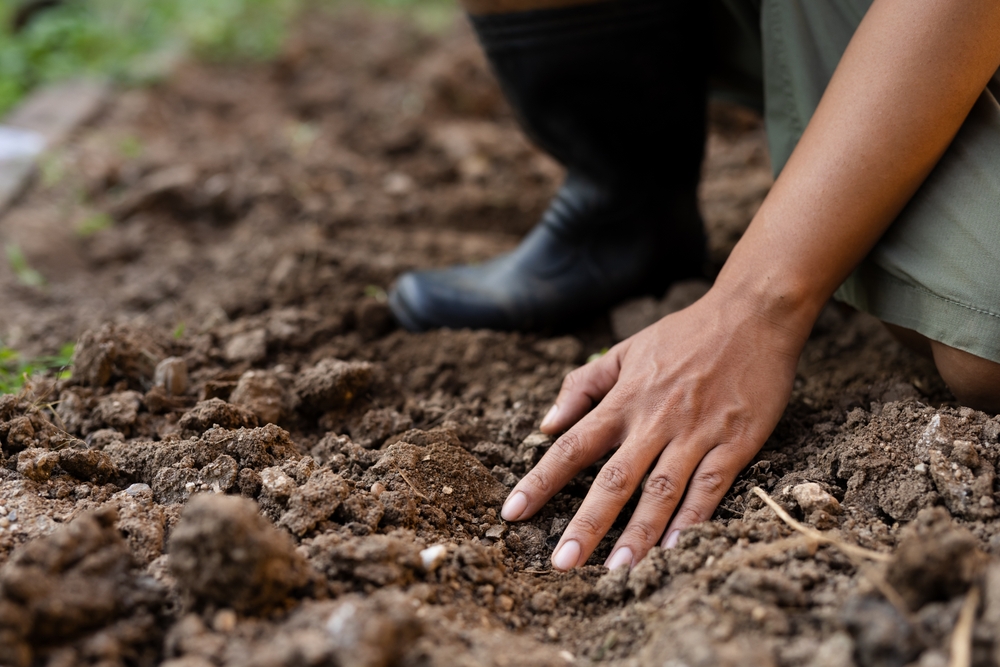
That does not mean September automatically calls for dramatically less water. A stretch of warm, dry weather can still leave garden beds parched, particularly shallow-rooted crops and plants growing in containers. Newly planted trees, shrubs, perennials, and fall plantings also need consistent moisture while their roots establish in their new surroundings. A simple finger test can reveal a lot: push a finger into the soil several inches near the plant, rather than judging moisture from the surface alone. If the deeper soil still feels moist, give the hose a break and check again later.
Rainfall Matters More Than the Calendar
September often brings a mix of sunny days, scattered showers, cool nights, and the occasional stubborn dry spell. That variety makes a fixed watering schedule less useful than it was during a long summer heat wave. A light shower may dampen the surface while leaving deeper soil relatively dry, so the garden can look freshly watered without receiving much moisture where roots need it. A slow, thorough watering generally does more good than frequent little splashes that barely penetrate the soil. Check beneath mulch before watering because mulch can make the surface look dry even when the soil underneath still holds plenty of moisture.
Rain gauges can help take some of the guesswork out of the process, but the plants and soil still provide the final word. Heavy rain can saturate a bed, while a brief shower may barely change the moisture level below the surface. Pay particular attention to raised beds, sandy soil, containers, and areas beneath dense shrubs because those spots can dry at different rates from the rest of the yard. Clay-heavy soil can hold moisture for much longer, so watering it on the same schedule as a fast-draining bed can create problems. September gardening rewards observation, which sounds wonderfully simple because it is.
Some Plants Still Need Regular Attention
Vegetable gardens do not suddenly stop needing water when September arrives. Tomatoes, peppers, cucumbers, squash, leafy greens, carrots, and other crops can still require moisture as they finish producing or develop cool-season growth. Uneven moisture can cause problems for some crops, including cracked tomatoes and other fruits, while prolonged dryness can stress plants and reduce growth. Containers deserve especially close attention because their limited soil volume can dry out much faster than a garden bed. Check them frequently even when the surrounding ground still feels comfortably moist.
New plantings may need another look because fall often tempts gardeners to assume cooler weather eliminates watering chores. Newly planted trees and shrubs need regular moisture while roots establish, and a dry September can delay that process. Established perennials usually handle changing moisture levels better, although their needs still depend on the plant, soil, weather, and location. Plants growing beneath large trees can face additional competition for available water because tree roots occupy the surrounding soil. Give those plants a closer inspection instead of assuming a nearby lawn sprinkler has taken care of everything.
Morning Still Makes a Good Watering Window
Morning remains a useful time to water because it gives foliage and soil time to dry as the day progresses. Watering at the soil level also keeps moisture where roots can use it and reduces unnecessary wetting of leaves. A soaker hose, drip system, or carefully directed hose can deliver water more efficiently than a sprinkler that sends moisture into the air or across paths. Deep watering encourages moisture to move into the root zone rather than simply wetting the top layer of soil. Slow application also gives compacted or heavier soils more time to absorb water instead of sending it downhill or into a puddle.
Even in September, avoid turning watering into a nightly ritual simply because the evening feels cool and pleasant. Wet foliage that remains damp for long periods can create a friendlier environment for some fungal diseases, particularly when plants have poor air circulation. Morning watering also makes it easier to notice wilted leaves, unusually dry soil, clogged irrigation emitters, or other problems before they become bigger chores. If rain arrives, let the weather handle the watering whenever the soil has received enough moisture. The hose should support the weather, not compete with it.
Let the Soil Make the Decision
The best September watering routine rarely comes from a rigid schedule because gardens respond to weather, soil, plant type, exposure, and recent rainfall. Check the soil around plants instead of relying solely on a calendar reminder or a sprinkler timer. Water thoroughly when the root zone needs moisture, then wait and reassess rather than giving the garden another automatic drink.
Keep an especially close eye on containers and recent plantings, which can need attention even when established garden beds do not. A little observation can prevent both drought stress and the soggy conditions that cause their own set of problems.
What changes do you make to your garden watering routine once September arrives, and which plants still seem to demand the most attention?
You May Also Like…
6 Ways to Cut Water Use Without Starving Your Garden
What Is the Right Time to Stop Watering Winter Squash?
How Much Water Does a Garden Need During Late-Summer Heat?
6 Gutter-Free Ways to Catch Rainwater From a Garden Shed
Why Self-Watering Gardens Are Suddenly So Popular

Brandon Marcus is a staff writer for FrugalGardening.com at District Media, Inc., where he delivers practical gardening advice with a relatable, no-nonsense style. An avid amateur gardener, he holds a BA degree and with over ten years of professional writing experience, he is also an award-winning published author whose first book, Questions For Deep Thinkers, was released by Adams Media. His work has appeared in major publications including Fandom.com, CHUD.com, TheColdWire.com, and Fansided.com.
Leave a Reply