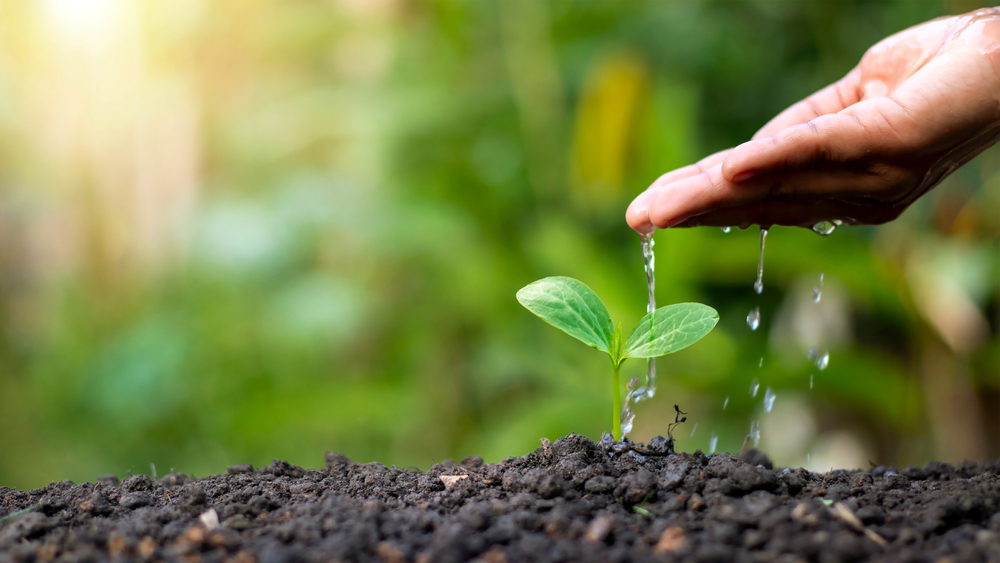
Native plants can make a noticeable difference in how much attention a landscape needs, especially once their roots settle into the soil. The trick lies in choosing species that naturally fit the local climate, soil, moisture patterns, and growing conditions rather than assuming every native plant behaves like a drought specialist.
That distinction matters. A native plant growing beside a stream may demand regular moisture, while another species from a dry prairie may handle long stretches without supplemental water once established. Picking the right plant for the right spot can turn watering from a constant chore into an occasional checkup, which sounds like a pretty good trade.
Native Does Not Automatically Mean Drought-Tolerant
A native plant comes from a region where it evolved or naturally occurred, but that label does not guarantee low water needs. Native species occupy wildly different habitats, including wetlands, forests, prairies, dunes, floodplains, and dry slopes, so their water requirements can differ just as dramatically. A cardinal flower suited to consistently moist ground has very different preferences from a prairie plant adapted to periodic drought. Treating both as low-water choices simply because they count as native plants would create a gardening headache. Instead, gardeners should investigate where a species naturally grows and what conditions it prefers. A plant from a dry, well-drained habitat generally makes a stronger candidate for reducing supplemental watering than one associated with consistently damp soil.
The same idea applies within a single region. A native plant may handle dry conditions beautifully in its preferred soil but struggle when planted beneath a roof overhang where rainfall rarely reaches the ground. Another may tolerate drought after establishment but need regular watering during its first growing season while its root system develops. Plant labels and reputable regional native-plant resources can reveal important clues about moisture, sunlight, soil texture, and drainage. Those details matter far more than the simple word “native” printed on a tag. Good plant selection starts with matching the plant to the actual conditions in the yard, not just choosing the prettiest specimen at the garden center.
Deep Roots Can Change the Watering Equation
Many plants adapted to seasonally dry environments invest in substantial root systems that help them access moisture below the surface. Some prairie perennials, for example, develop deep or extensive roots that allow established plants to draw water from a larger volume of soil. That underground growth can make a major difference during dry spells, particularly compared with shallow-rooted plants that depend heavily on frequent surface moisture. However, roots do not magically appear at full strength the day a plant goes into the ground. Newly planted natives still need appropriate watering while they establish, particularly during hot or unusually dry weather.
This establishment period represents one of the biggest misconceptions surrounding water-wise native gardening. Cutting off irrigation immediately after planting can stress a plant before it has developed the root system that gives it its later drought tolerance. Thorough watering encourages roots to move into the surrounding soil, while excessively frequent shallow watering can keep moisture concentrated near the surface. Soil type also changes the picture because sandy soil drains quickly, while clay soil can hold moisture much longer. A watering routine should therefore respond to the plant, soil, weather, and stage of establishment rather than follow a rigid calendar.
Put the Right Plant in the Right Place
Location can determine whether a native plant becomes an easy-care landscape feature or a permanent watering project. Start by observing the yard instead of immediately reaching for a shovel, noting which areas receive full sun, afternoon shade, runoff, wind exposure, or naturally moist soil. A species adapted to an open prairie setting may perform poorly in dense shade, while a woodland native may resent blazing afternoon sun. Drainage deserves equal attention because some plants tolerate dry soil but dislike wet roots, while others require consistently moist conditions. Matching those preferences with the planting site gives the plant a much better chance of handling normal weather patterns without constant intervention.
Grouping plants according to similar moisture needs also makes irrigation more efficient. A garden bed filled with plants that all prefer dry-to-average moisture creates a much simpler watering routine than a bed containing a bog-loving perennial beside a drought-adapted shrub. Mulch can help by reducing evaporation from the soil surface and moderating soil temperature, although it should stay away from direct contact with plant crowns and woody stems. Organic matter can also improve soil structure, but adding amendments without considering the native soil can sometimes create a mismatch between the planting hole and surrounding ground. The goal involves creating conditions that let roots explore the surrounding soil rather than building a tiny luxury suite that roots never want to leave.
Think Long-Term, Not Just About the First Summer
A water-wise native planting often becomes more useful with time because established roots can occupy more soil and make better use of naturally available moisture. That does not mean the plants never need supplemental water again. Extended drought, extreme heat, unusual winter conditions, newly planted specimens, and competition from nearby vegetation can all increase water demand. Even drought-adapted plants can suffer when environmental conditions remain unusually harsh. The advantage comes from reducing routine irrigation needs under ordinary conditions, not creating a completely maintenance-free landscape.
A practical approach involves monitoring plants rather than watering automatically. Check the soil beneath the mulch and pay attention to signs of genuine water stress, such as persistent wilting, scorched foliage, or premature leaf drop, while remembering that different species respond differently. Water deeply when conditions call for it, then allow moisture conditions to guide the next watering rather than relying solely on the date. Once plants establish, gradually reducing unnecessary irrigation can encourage the landscape to rely more heavily on natural rainfall when appropriate. That shift can save time and water while also producing a garden that looks intentional rather than perpetually thirsty.
Let the Landscape Do More of the Work
Native plants can lower watering needs over time, but success starts with a little detective work. Choose species suited to the local climate and habitat, match them carefully to sunlight and soil conditions, and give new plants enough water to establish strong root systems. Avoid the tempting assumption that every native plant belongs in the same category because native species evolved under remarkably different environmental conditions. A thoughtfully selected native garden can include colorful flowers, attractive foliage, seed heads, shrubs, and grasses while requiring less routine irrigation than a landscape filled with plants poorly matched to the local environment. The best result comes when the garden works with its surroundings instead of constantly fighting them.
What native plants have performed especially well with less supplemental watering in your garden?
You May Also Like…
6 Pollinator Plants to Start Now for a Stronger Spring Garden
Local Weed Laws Are Changing: Know Which Lawn Alternatives Are Permitted Before You Plant
Why Native Plants Are Taking Over American Yards
5 Edible Plants That Can Replace Empty Patio Annuals
His HOA Said “Flowers Only.” This Gardener Took the Rule Very Literally

Brandon Marcus is a staff writer for FrugalGardening.com at District Media, Inc., where he delivers practical gardening advice with a relatable, no-nonsense style. An avid amateur gardener, he holds a BA degree and with over ten years of professional writing experience, he is also an award-winning published author whose first book, Questions For Deep Thinkers, was released by Adams Media. His work has appeared in major publications including Fandom.com, CHUD.com, TheColdWire.com, and Fansided.com.
Leave a Reply