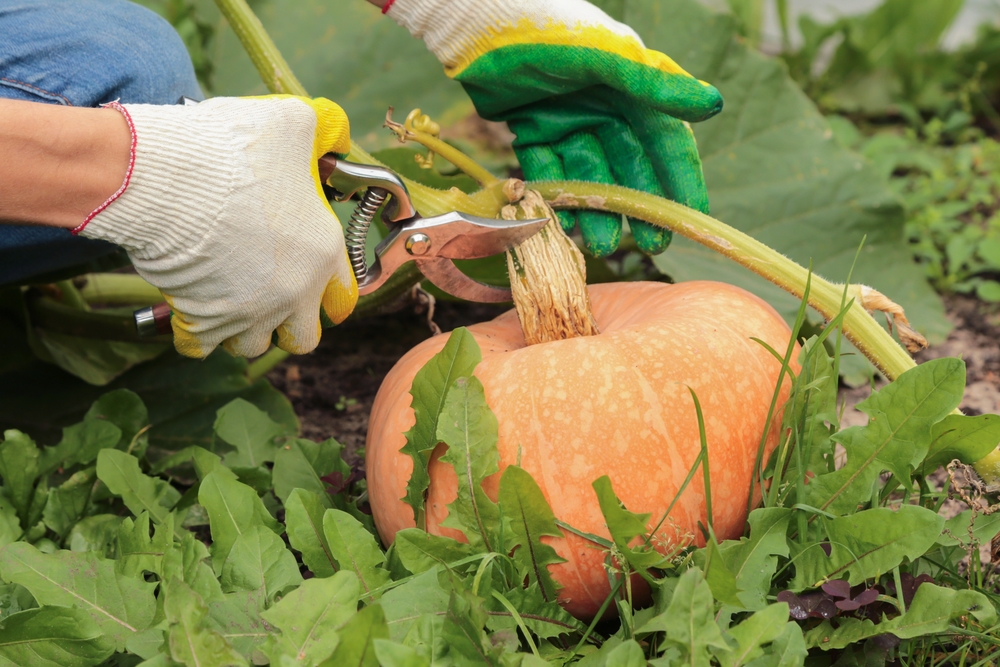
A pumpkin can flash its Halloween-ready orange weeks before the calendar says it should, leaving gardeners with one very reasonable question: Is that pumpkin actually ripe, or is it simply showing off? Color plays an important role in pumpkin maturity, but orange skin alone does not mean the fruit has finished developing.
Pumpkins change color as they mature because their skin loses green chlorophyll while yellow and orange carotenoid pigments become more prominent. That process can begin well before the pumpkin reaches its full size or develops the tough rind that helps it survive harvest and storage.
Orange Skin Does Not Mean “Pick Me” Yet
Pumpkin varieties follow their own schedules, so one fruit can turn orange noticeably earlier than another fruit growing only a few feet away. Genetics play a major role in that timing, which explains why an early-orange variety can look ready while a neighboring pumpkin still resembles a green bowling ball. Some varieties also mature into colors other than orange, including white, tan, striped, gray, or reddish shades.
Color also reflects changes happening inside the fruit, particularly the shift from green chlorophyll toward carotenoid pigments. Once that color change begins, the pumpkin may still need time to finish developing its rind, stem, and internal quality. A gardener who grabs the pruners the moment the first orange patch appears can end up harvesting a pumpkin that looks festive but lacks the toughness of a fully mature fruit. The orange is a clue, not a countdown timer.
Heat, Sun and the Pumpkin’s Internal Calendar
Growing conditions can influence how quickly a pumpkin changes color, although variety remains a major piece of the puzzle. Warm, sunny conditions can encourage color development, while environmental stress can alter the pace of maturation. A pumpkin does not consult the calendar before changing color, so an unusually warm stretch can produce some surprisingly early orange fruit.
That early color does not necessarily signal a problem with the plant. If the vine remains healthy and the pumpkin continues developing, gardeners usually have good reason to leave the fruit attached rather than rushing it into the garage. The better approach involves watching several maturity signs together instead of treating skin color as the sole judge. Think of the pumpkin as filling out its résumé: orange looks impressive, but the rind and stem still need to make the final call.
The Rind Holds the Real Harvest Clue
A mature pumpkin should develop a hard rind that resists a fingernail rather than easily giving way under pressure. The stem also changes as the fruit matures, becoming harder and more corky instead of remaining soft and green. The vine itself often begins to decline around mature fruit, although disease or other problems can also cause vines to deteriorate, so a dying plant does not automatically prove that every pumpkin has reached maturity.
For a pumpkin that has turned orange early, check the rind first and the stem next. If the skin still feels tender or your fingernail can easily puncture it, give the pumpkin more time when growing conditions allow. A deep, uniform version of the variety’s mature color combined with a hard rind provides a much stronger harvest signal than color alone.
When Early Orange Really Does Matter
Sometimes an early color change deserves closer attention, particularly when the vine looks stressed, damaged, or diseased. A pumpkin attached to a declining vine may need harvesting sooner than planned, especially if frost or a hard freeze approaches. A light frost can damage the vine without necessarily ruining mature fruit, but gardeners should harvest before a hard freeze threatens the pumpkins.
If harvesting becomes necessary before perfect maturity, handle the fruit gently and leave several inches of stem attached. Cutting the pumpkin cleanly with a sharp knife or loppers reduces unnecessary damage, while carrying it by the stem can cause the stem to break away. After harvest, proper curing helps harden the skin and heal minor cuts and scratches, which can improve storage life.
Let the Pumpkin Finish Its Story
An early-orange pumpkin often means exactly what it appears to mean: the fruit has started its final color transition, not necessarily that it has reached the finish line. Gardeners should check the variety’s expected mature color, examine the rind, inspect the stem, and consider the condition of the vine before reaching for the shears. That little collection of clues gives a much better picture of maturity than staring at the pumpkin and waiting for it to announce itself with a tiny orange trumpet.
Has a pumpkin in your garden ever turned orange surprisingly early, and did you leave it on the vine or harvest it? Share what happened in the comments.
You May Also Like…
5 Ways to Turn an Overgrown Herb Bed Into a Fall Harvest
It’s Not Too Late! Start Sweet Potatoes and Pumpkins Now With Money-Saving Tips
Why Do Watermelons Split Just Before Harvest?
6 Ways to Keep Cut Flowers Fresh Longer After Harvest
What Should You Harvest Early Before a Heat Dome Arrives?

Brandon Marcus is a staff writer for FrugalGardening.com at District Media, Inc., where he delivers practical gardening advice with a relatable, no-nonsense style. An avid amateur gardener, he holds a BA degree and with over ten years of professional writing experience, he is also an award-winning published author whose first book, Questions For Deep Thinkers, was released by Adams Media. His work has appeared in major publications including Fandom.com, CHUD.com, TheColdWire.com, and Fansided.com.
Leave a Reply