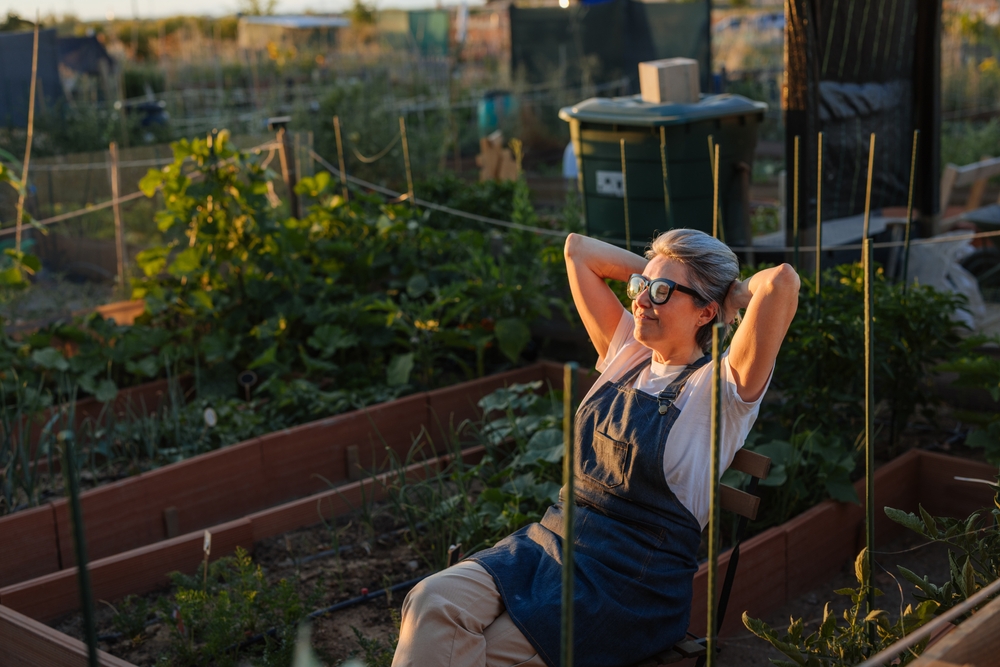
The calendar may still insist that summer has plenty of life left, but the garden already knows better. As daylight fades a little earlier each evening, plants begin shifting gears, even when afternoons still feel hot enough for lemonade and a shady hammock. That quiet seasonal change affects everything from flowering to vegetable production, making this the perfect moment to adjust gardening habits.
A garden that receives a little attention now usually heads into autumn with fewer problems and more color. Small changes in watering, pruning, feeding, and planting help flowers, vegetables, shrubs, and lawns finish the growing season on a strong note instead of limping toward the first frost. Nature already started preparing for shorter days. Smart gardeners simply join the process.
The Changing Light Alters More Than the Temperature
Sunlight does much more than warm the soil. Plants use day length as a signal that tells them when to bloom, produce fruit, slow leafy growth, or begin storing energy for the months ahead. Even if temperatures stay surprisingly warm, those shrinking daylight hours trigger changes that gardeners cannot ignore. Tomatoes often ripen more slowly, annual flowers produce fewer blooms, and many perennials start directing energy underground instead of pushing out fresh leaves. Paying attention to light instead of just the weather creates better timing for nearly every garden task.
That shift also explains why some plants suddenly seem less energetic despite receiving the same care. Many gardeners mistake this natural slowdown for disease or nutrient deficiency and reach for fertilizer when patience makes the better choice. Instead of forcing new growth, focus on keeping plants healthy through consistent watering, removing damaged foliage, and watching for late-season pests. Working with seasonal rhythms almost always produces better results than trying to fight them.
Water Smarter Instead of Watering More
Late summer often brings confusing conditions. The sun still feels intense during the afternoon, but cooler nights reduce evaporation and help soil retain moisture longer. Dumping the same amount of water into the garden every day can leave roots sitting in soggy soil, especially after seasonal rain arrives.
Check moisture several inches below the surface before reaching for the hose. If the soil feels cool and damp, let nature handle the next watering cycle. Deep watering once or twice each week usually encourages stronger root systems than quick daily sprinkling. Fresh mulch also becomes especially valuable now because it keeps soil temperatures more even while slowing moisture loss during warm afternoons.
Give Vegetables One Last Strong Finish
Many vegetable gardens still have plenty of production left when daylight begins shrinking. Peppers, beans, cucumbers, squash, and tomatoes continue producing as long as healthy plants receive proper care. Regular harvesting encourages many crops to keep flowering instead of putting all their energy into mature fruit sitting on the vine.
This also marks a perfect opportunity for cool-season vegetables. Lettuce, spinach, radishes, kale, carrots, and several varieties of broccoli often perform much better as temperatures gradually cool than they did during the hottest weeks of summer. Fresh seeds germinate more easily in cooler soil, and many leafy greens develop sweeter flavor after chilly nights arrive. A second planting often surprises gardeners with one of the tastiest harvests of the entire year.
Help Flowers Prepare for Their Next Chapter
Flower beds also appreciate a little seasonal attention before autumn fully settles in. Continue deadheading annual flowers that still produce fresh blooms because removing spent blossoms encourages many varieties to keep flowering longer. At the same time, leave healthy foliage on most perennials alone because those leaves continue gathering energy that supports next year’s growth.
Resist the urge to give everything a dramatic haircut. Heavy pruning often stimulates tender new growth that may not have enough time to mature before cold weather arrives. Instead, remove broken stems, diseased leaves, and faded flowers while allowing the overall structure of the plant to remain intact. A tidy garden still looks beautiful without forcing plants into unnecessary late-season growth.
Keep an Eye on Pests That Refuse to Quit
Many insects refuse to surrender just because the calendar inches toward fall. Aphids, spider mites, cabbage worms, and whiteflies often remain active well into late summer, especially during stretches of warm weather. Regular inspections catch small problems before they become full-scale invasions.
Turn leaves over during routine watering and look closely for tiny clusters of insects, eggs, or webbing. Remove heavily infested leaves, spray stubborn pests with a firm stream of water when appropriate, and encourage beneficial insects whenever possible instead of automatically reaching for chemical treatments. Healthy plants usually recover much faster when gardeners catch trouble early instead of discovering it weeks later.
A Strong Finish Sets the Stage for Spring
Gardening sometimes feels like it revolves around spring planting, but late summer quietly shapes next year’s success. Every thoughtful decision made during these shorter days helps plants store energy, strengthen roots, and prepare for cooler weather ahead. The payoff often appears months later when healthy perennials emerge vigorously, shrubs leaf out beautifully, and vegetable beds start another productive season.
The changing season also offers a welcome reminder that gardening never stands still. Every week brings new opportunities to plant, tidy, observe, and enjoy the landscape from a different perspective. Instead of mourning the end of summer, celebrate the quiet transition and give the garden exactly what it needs for the season ahead. Those shorter days may signal change, but they also open the door to one of the most rewarding times of the gardening year.
What changes do you make in your garden when the days start getting shorter, and which late-season task has made the biggest difference for your plants?
You May Also Like…
6 Late-Summer Crops That Earn Their Space in a Small Garden
8 Flowers That Keep a Cutting Garden Productive Into Fall
9 Gardening Trends That Are Suddenly Falling Out of Favor
5 Garden Repairs to Make Before the Next Summer Storm
7 Fast-Growing Flowers That Can Fill Empty Summer Gaps

Brandon Marcus is a staff writer for FrugalGardening.com at District Media, Inc., where he delivers practical gardening advice with a relatable, no-nonsense style. An avid amateur gardener, he holds a BA degree and with over ten years of professional writing experience, he is also an award-winning published author whose first book, Questions For Deep Thinkers, was released by Adams Media. His work has appeared in major publications including Fandom.com, CHUD.com, TheColdWire.com, and Fansided.com.
Leave a Reply