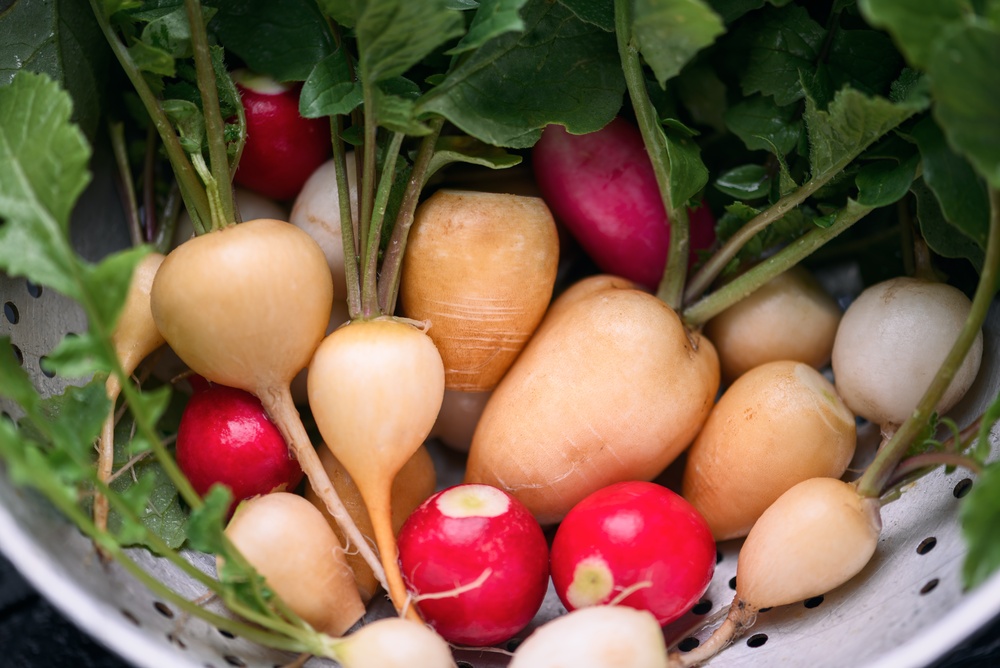
Your summer vegetable garden may be winding down, but that doesn’t mean you’ve missed your last opportunity to grow something fresh. While tomatoes and peppers need months of warm weather, certain radishes can go from seed to harvest in just three or four weeks. That makes them an excellent option for gardeners hoping to squeeze one more crop out of their beds before winter arrives.
The trick is choosing varieties that mature quickly rather than larger winter radishes that need considerably more growing time. According to the University of Maryland, many common garden radishes mature in approximately 25 to 35 days and tolerate cool temperatures and frost. These seven fast-growing radish varieties can help you make the most of a short fall planting window without spending much money on seeds or supplies.
Cherry Belle: A Reliable Choice for Beginners
Cherry Belle is one of the most recognizable radishes, producing small, round roots with bright red skin and crisp white flesh. According to Iowa State University, this popular variety typically reaches maturity in approximately 24 days under favorable growing conditions. Its compact size makes it suitable for raised beds, traditional garden rows, and containers where growing space is limited. Cherry Belle also works well for gardeners who want a familiar, mildly peppery radish for salads, sandwiches, or quick pickling. Because it matures quickly, you may be able to plant more than one small crop during an extended stretch of cool autumn weather.
French Breakfast: Quick Harvests With a Different Shape
French Breakfast radishes stand out because of their elongated red roots and distinctive white tips. The University of Delaware Cooperative lists French Breakfast as a variety that can mature in approximately 21 days, making it particularly attractive for short growing seasons. These radishes generally have a crisp texture and a mild to moderately peppery flavor when harvested young and grown with consistent moisture. Their narrow shape also makes them easy to slice lengthwise, roast, or serve with a little butter and salt. If you’re looking for fast-growing radish varieties that offer something different from traditional round red radishes, French Breakfast deserves consideration.
Cherriette: One of the Fastest Options Available
Gardeners running short on time may want to consider Cherriette, a compact red radish known for its quick development. Cherriette matures in approximately 20 days, although actual harvest times depend on temperature, sunlight, and growing conditions. The roots are round, cherry red, and filled with crisp white flesh, making them useful for fresh eating. Like other small garden radishes, Cherriette performs best in loose soil that allows roots to expand without obstruction. Planting a short row of this variety can be a practical experiment if your fall garden has only a few weeks of favorable growing weather remaining.
Sparkler: A Colorful Radish That Matures Quickly
Sparkler radishes provide a little extra visual interest with their red upper halves and contrasting white tips. Sparkler generally matures in approximately 25 days, placing it among the quicker options for fall planting. The rounded roots work well in salads and vegetable trays, especially when you want colorful produce without purchasing specialty vegetables. NC State also identifies Sparkler as a suitable variety for home gardeners growing radishes during cooler weather. For gardeners who enjoy attractive harvests but don’t want to wait months for results, Sparkler offers a useful combination of appearance and speed.
Champion: A Classic Radish for Cool-Weather Beds
Champion is another dependable choice among fast-growing radish varieties, particularly for gardeners who prefer traditional round red roots. Champion matures in approximately 20 to 25 days, making it suitable for relatively short planting windows. Its bright scarlet skin and white flesh provide the familiar appearance many shoppers associate with grocery store radishes. Like other garden radishes, Champion benefits from consistent moisture because drought stress can contribute to stronger flavors and poor root quality. Rather than planting an entire packet at once, try sowing a short row and saving the remaining seeds for another planting or next spring.
Red Satin: Fast Growth With Bright Red Roots
Red Satin is worth considering if you want another quick-maturing option without sacrificing the familiar appearance of traditional radishes. Red Satin typically reaches maturity in approximately 23 days and produces round, bright red roots with white flesh. Its relatively short growing period makes it appealing when autumn temperatures are cooling, but the soil hasn’t frozen. Gardeners can plant it alongside other quick varieties to compare flavor, root development, and harvest timing under the same conditions. Growing two or three varieties in a small bed can also help you discover which performs best in your particular soil without making a large investment.
Easter Egg II: Several Colors From One Seed Packet
Easter Egg II is a fun option for gardeners who want variety without purchasing multiple individual seed packets. This blend produces round radishes in several colors, including red, purple, and white, creating an attractive harvest for salads and fresh vegetable platters. Easter Egg II matures in approximately 28 days, making it a reasonable choice when you have about a month of favorable growing conditions. The different colors don’t necessarily mean dramatically different flavors, but harvesting a colorful mixture can make homegrown vegetables more appealing to children and reluctant vegetable eaters. For a small-space garden, one packet can provide an interesting assortment without requiring additional beds or complicated growing techniques.
Get the Most From Your Last Radish Planting
Choosing fast-growing radish varieties is only part of the equation when you’re trying to produce a harvest before winter. It’s best to plant seeds approximately one-quarter to one-half inch deep, thinning seedlings to prevent crowding, and maintaining consistent soil moisture for healthy root development. Remember that days-to-maturity estimates are based on favorable conditions, so shorter daylight hours and colder soil can delay harvesting, especially when planting late in the season. In colder regions, October may already be too late for an outdoor crop, while gardeners in milder climates may still have time to grow radishes with appropriate frost protection.
Have you tried growing radishes during fall, and which varieties have given you the quickest or most flavorful harvests? Share your favorite cool-weather gardening tips in the comments.
What to Read Next
The Best Pansy Planting Tips for Chilly Weather
What Is the Best Way to Clean a Birdbath Without Harming Wildlife?
Leave a Reply