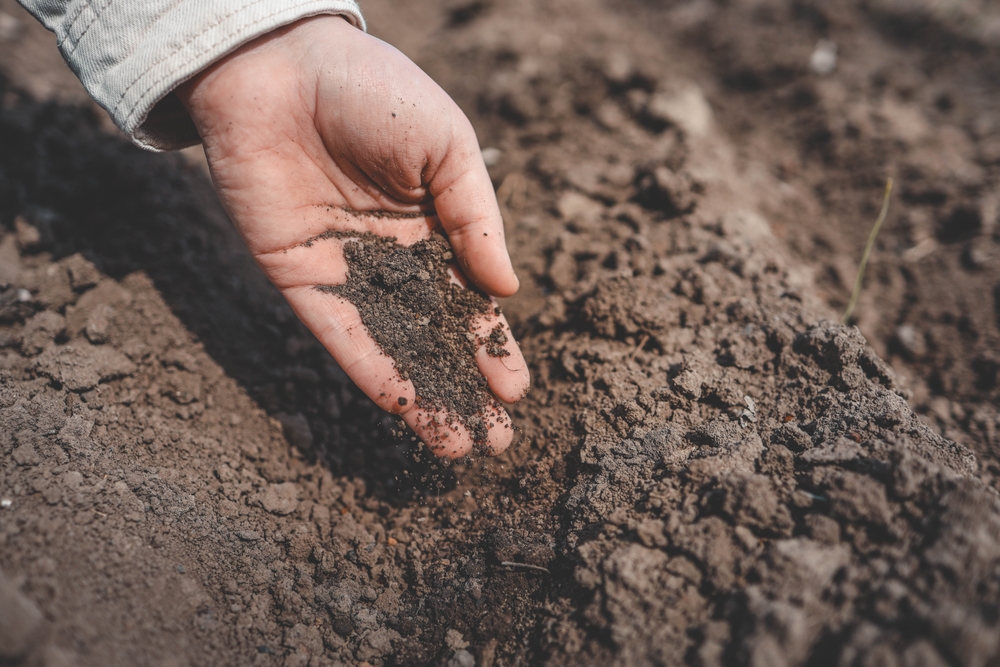
Sandy soil drains quickly, which sounds wonderful until a hot stretch arrives and the garden suddenly behaves like a colander. Water disappears below the root zone, plants wilt faster, and the hose seems to spend more time running than it should. Biochar can help sandy soil hold more moisture during hot weather, but gardeners need to use it as a soil amendment with a job to do, not as magical black confetti scattered across the garden.
The trick comes down to how biochar interacts with the rest of the soil. Its porous structure can create tiny spaces that hold water and nutrients, while compost and other organic matter help build the biological activity that turns a thin, thirsty soil into a more useful growing medium. That combination can make a noticeable difference, especially in raised beds, vegetable gardens, flower borders, and containers that dry out at astonishing speed.
Biochar Gives Water Somewhere to Hang Around
Biochar starts as plant material that undergoes heating with very little oxygen, a process called pyrolysis. The result looks a bit like charcoal, but garden biochar serves a different purpose from the lump charcoal used for grilling, which can contain additives and other materials that do not belong in garden soil. High-quality horticultural biochar contains a maze of pores, and those pores can hold water instead of letting every drop race straight through sandy soil.
That does not mean biochar acts like a sponge that stays permanently soaked. Instead, it can create additional surfaces and spaces where moisture and nutrients linger long enough for plant roots and soil organisms to make use of them. In a sandy bed where irrigation vanishes almost immediately, that extra holding capacity can help stretch the time between watering sessions, particularly during hot, dry weather.
Raw Biochar Needs a Little Preparation
One of the biggest mistakes involves dumping a pile of fresh, untreated biochar into the garden and expecting instant results. Fresh biochar can temporarily tie up nutrients, especially nitrogen, because its highly porous structure can grab onto nutrients before plants can access them. That situation does not make biochar bad, but it does make preparation important.
Gardeners can charge biochar by mixing it with finished compost, compost tea, aged manure, or another nutrient-rich organic material before adding it to the soil. Letting the mixture sit gives the biochar time to absorb moisture and nutrients, so it enters the garden ready to participate instead of arriving empty-handed and immediately competing for resources. Think of it as seasoning a cast-iron pan before cooking, except the dinner involves tomatoes and the pan consists of tiny carbon pores.
The Best Results Come From Mixing, Not Dumping
Biochar works best as part of a larger soil-building strategy. Mixing it into the top layer of sandy soil alongside compost can improve the soil’s ability to hold moisture while adding organic matter that breaks down and feeds soil life. Biochar itself resists decomposition, so it can remain in the soil much longer than a fresh layer of compost.
Gardeners should avoid creating a thick, isolated layer of biochar beneath the soil, because that can interfere with normal water movement and root growth. Instead, blend the material thoroughly through the root zone and follow the product’s application directions. A small test area offers a smart way to compare treated and untreated soil before changing an entire garden bed, especially when the soil already contains plenty of organic matter.
Biochar Will Not Replace Mulch or Good Watering
Biochar can help sandy soil hold water, but it cannot stop evaporation from the soil surface. A layer of organic mulch, such as shredded leaves, straw, or finished compost, still plays an important role by shading the soil and slowing moisture loss during hot weather. Together, mulch on top and biochar mixed into the soil address two different problems, which makes the combination more useful than relying on either one alone.
Watering technique matters, too. Deep watering encourages moisture to move farther into the root zone, while frequent shallow sprinkling can leave plants dependent on a thin layer of damp soil that dries quickly. Drip irrigation or a soaker hose can deliver water more efficiently, and watering early in the day generally gives plants time to use the moisture before afternoon heat arrives.
Watch for the Biochar Mistakes That Waste Money
Not every product labeled biochar offers the same quality, so gardeners should check the label before buying. Avoid material that contains trash, treated wood, painted wood, plastics, or unknown feedstocks, and choose a product intended for horticultural use. Biochar also does not automatically fix compacted soil, extreme pH problems, poor drainage, or a lack of nutrients, so gardeners should match the amendment to the actual problem.
The other common mistake involves expecting dramatic results after one application. Soil changes often develop gradually as biochar interacts with moisture, nutrients, roots, microbes, and organic matter. A gardener who mixes properly prepared biochar into sandy soil, adds compost, applies mulch, and waters deeply gives the amendment a much better chance to deliver useful results when the next hot spell turns the garden into a botanical sauna.
Give Sandy Soil a Better Water-Holding Team
Biochar can help sandy soil hold water during hot weather, especially when gardeners charge it with nutrients and moisture before mixing it into the root zone. Its porous structure gives water and nutrients more places to linger, while compost supplies organic matter and mulch slows evaporation from above. That three-part approach makes far more sense than treating biochar as a miracle amendment that works alone.
The best garden improvements usually come from stacking several sensible practices rather than searching for one magic ingredient. A little preparation, a realistic application, and careful observation can reveal whether biochar improves a particular bed or container. When sandy soil drains too quickly during summer heat, biochar may give the soil a useful assist, but the real winning move comes from building a team of amendments and habits that help moisture stick around long enough to matter.
Could biochar make a difference in your sandy soil, or have you tried another amendment that worked better? Share your experience in the comments.
You May Also Like…
7 Signs Your Soil Has Become Hydrophobic
5 Ways to Revive Soil That Has Turned Hard and Crusty
The Cheap Mulch Materials That Can Damage Plants or Soil
Why Soil Tests Matter Under PA’s Fertilizer Law—Know Before You Apply
Smart Garden Tech: Drip Irrigation and Soil-Moisture Sensors Conserve Water and Money

Brandon Marcus is a staff writer for FrugalGardening.com at District Media, Inc., where he delivers practical gardening advice with a relatable, no-nonsense style. An avid amateur gardener, he holds a BA degree and with over ten years of professional writing experience, he is also an award-winning published author whose first book, Questions For Deep Thinkers, was released by Adams Media. His work has appeared in major publications including Fandom.com, CHUD.com, TheColdWire.com, and Fansided.com.
Leave a Reply