The first harvest often steals the spotlight, but a second sowing can turn an ordinary garden into a productive powerhouse. Many popular vegetables and herbs actually perform better when gardeners plant another round after the first crop starts producing or finishes its run. That simple habit keeps fresh food coming instead of leaving empty patches that fill with weeds.
A second sowing also helps dodge common seasonal headaches. Crops that struggled during spring weather may produce better once temperatures shift, while fast-growing vegetables can fill gaps before frost arrives. A little planning creates a garden that keeps giving instead of calling it quits halfway through the season.
1. Bush Beans Keep the Harvest Rolling
Bush beans grow quickly, produce heavily, and then slow down just as quickly. Instead of accepting a short harvest window, gardeners can sow another batch about two to three weeks after the first planting. That timing creates a steady supply of tender beans rather than one overwhelming harvest followed by empty rows.
Freshly sown beans also replace tired plants that may suffer from insects, disease, or summer heat. Young plants usually produce cleaner, healthier pods because they begin their growing cycle with fresh energy. Gardeners should choose a sunny location with well-drained soil and water consistently while seedlings establish themselves. A little compost before planting often provides all the nutrition bush beans need for another productive round.
2. Lettuce Loves a Fresh Start
Lettuce rarely enjoys blazing summer afternoons. Spring plantings often bolt as temperatures climb, sending up flower stalks that leave leaves bitter and tough. A second sowing later in the season brings crisp salads back to the table when cooler weather returns.
Gardeners can improve success by selecting heat-tolerant varieties during summer and cooler-season varieties for late-season planting. Light afternoon shade also helps young seedlings avoid excessive stress during warm spells. Frequent watering keeps the soil evenly moist and encourages tender growth instead of tough, leathery leaves. Small sowings every couple of weeks often produce better results than planting one huge bed all at once.
3. Carrots Reward Patient Gardeners
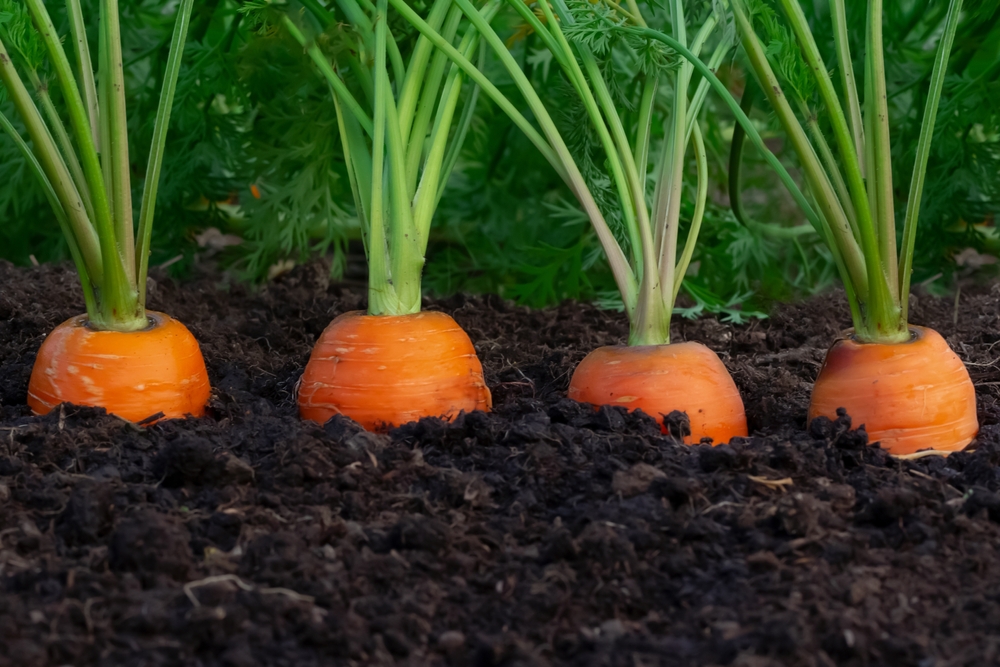
Carrots demand patience, but they reward gardeners who plant more than one crop. Spring carrots mature during early summer, while a second sowing often develops sweeter roots as autumn temperatures cool. Cooler weather encourages the plants to store more natural sugars, creating noticeably better flavor.
Loose, stone-free soil gives carrot roots room to grow straight and smooth. Gardeners should keep the seedbed consistently moist because carrot seeds germinate slowly and dry out easily. Thin seedlings early so each root has enough space to develop properly. A second crop also provides fresh carrots long after the first harvest disappears from the kitchen.
4. Radishes Finish Fast and Make Room for More
Few vegetables mature as quickly as radishes. Many varieties reach harvest size in about a month, making them perfect candidates for repeated sowings throughout much of the growing season. One planting barely finishes before another can take its place.
Gardeners often slip radishes into spaces between slower crops because they mature before larger vegetables need the room. A second or third sowing keeps salads colorful and crunchy instead of ending the harvest after one quick flush. Cooler weather also produces milder, crisper roots with less chance of becoming woody or overly spicy. Regular harvesting prevents oversized radishes that lose their pleasant texture.
5. Beets Deliver Twice the Value
Beets deserve far more attention than they usually receive. A second sowing produces another crop of sweet roots while also supplying fresh beet greens for salads and sautés. That makes every square foot of garden space work a little harder.
Many gardeners appreciate fall beets because cooler temperatures improve both texture and flavor. Consistent moisture helps prevent woody roots and uneven growth during the season. Gardeners should thin seedlings carefully since each seed cluster often produces several young plants. Healthy spacing allows roots to size up without crowding one another.
6. Cilantro Stays Productive With Successive Plantings
Cilantro develops a reputation for disappearing almost overnight. Warm weather pushes it to flower quickly, ending leaf production much sooner than many gardeners expect. A second sowing solves that problem by replacing older plants before they bolt.
Frequent plantings every few weeks keep fresh cilantro available for salsa, soups, and countless summer meals. Gardeners should harvest leaves regularly because consistent picking encourages continued growth. Partial shade during hot afternoons can also slow bolting and stretch the harvest. Once flowering begins, another sowing already waits in the wings to keep the kitchen supplied.
7. Spinach Shines During Cooler Weather
Spinach often races toward flowering once warm temperatures arrive. Spring crops may finish quickly, but another sowing in late summer frequently produces outstanding fall harvests with rich flavor and tender leaves. Many gardeners actually prefer autumn spinach because cool weather creates exceptional quality.
Healthy soil with plenty of organic matter supports rapid leaf production during cooler months. Even watering prevents stress that can encourage premature flowering. Young spinach leaves work beautifully in fresh salads, while mature leaves hold up well in cooked dishes. A second sowing extends the season and makes far better use of available garden space.
Make Every Empty Garden Space Count
A productive garden rarely sits still. As one crop finishes, another can step in and keep beds full of fresh vegetables instead of weeds and bare soil. Second sowings also spread harvests across the season, reduce waste from oversized harvests, and provide insurance if early crops struggle with weather or pests.
Even small gardens benefit from this simple strategy because every empty square foot represents an opportunity. Careful timing, healthy soil, and regular watering often produce better results than simply planting everything once and hoping for the best. A little planning transforms the garden into a space that continues producing long after many neighboring gardens slow down.
Which crop has given the best results after a second sowing, or which one will earn a spot in the garden next? Share your experiences and favorite succession planting tips in the comments below.
You May Also Like…
Why Gardeners Are Planting “Insurance Crops” This Year—and What They Are
When Midseason Fertilizer Helps—and When It Burns Stressed Plants
The Best Crops for Windy Balconies and Hot Patios
Why More Families Are Growing “Survival Crops” Again
8 Crops That Keep Producing All Summer Long

Brandon Marcus is a staff writer for FrugalGardening.com at District Media, Inc., where he delivers practical gardening advice with a relatable, no-nonsense style. An avid amateur gardener, he holds a BA degree and with over ten years of professional writing experience, he is also an award-winning published author whose first book, Questions For Deep Thinkers, was released by Adams Media. His work has appeared in major publications including Fandom.com, CHUD.com, TheColdWire.com, and Fansided.com.
Leave a Reply